Attention was drawn at the beginning of the year when Hanna Katrín Friðriksson, the minister of employment, criticized the American company Patagonia for trying to influence Icelandic legislation in aquaculture matters. The company encouraged people to submit comments on the bill and to send an email to the Speaker of Parliament to protest it.
The minister described this trick as a “campaign with mass-produced comments in order to influence legislation in this country”.
At the time, Jón Kaldal, spokesman for the Icelandic Nature Conservation Fund, said that Patagonia’s intervention was completely democratic.
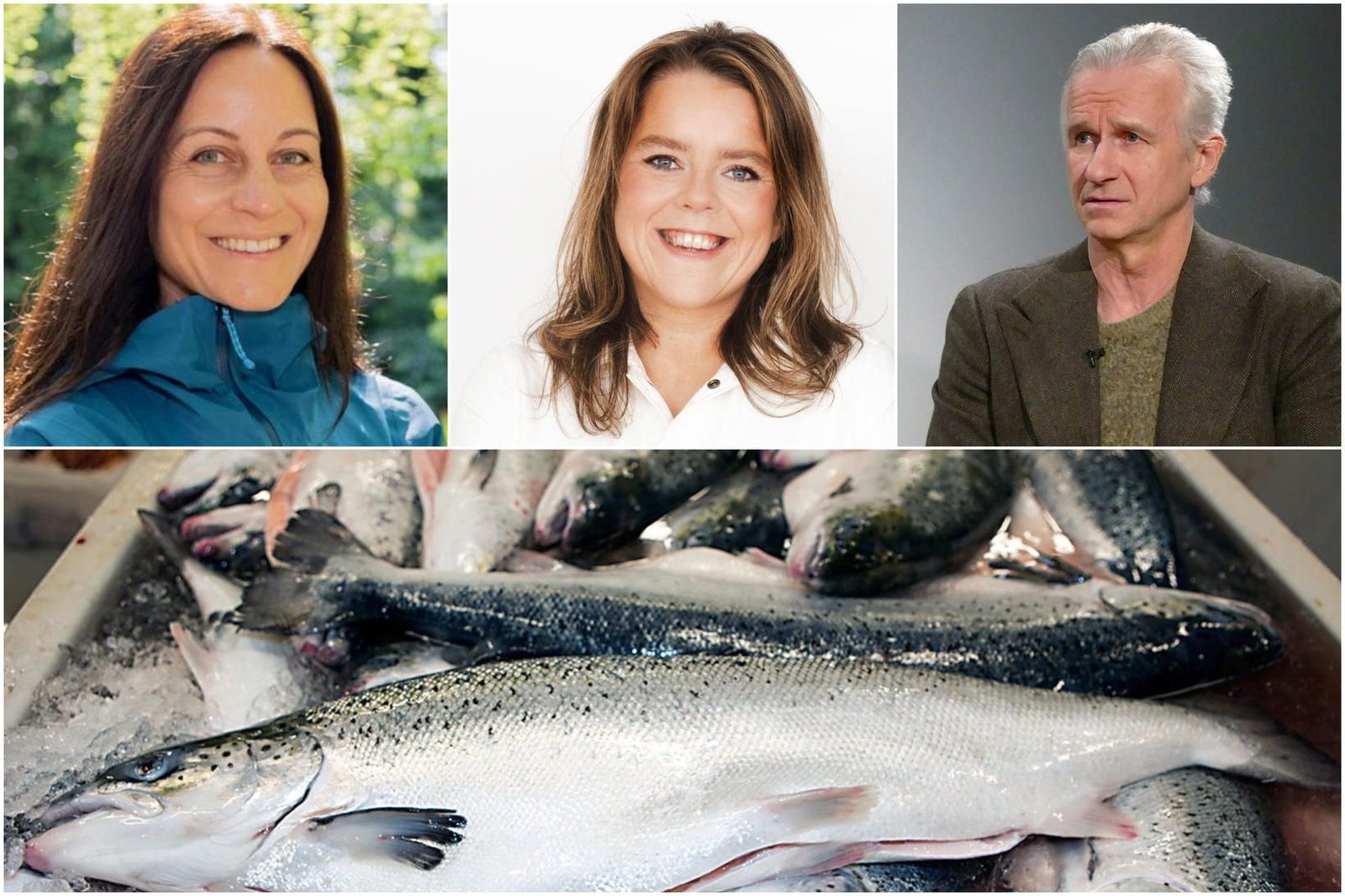
It now happens that Nina Hajikhanian, Patagonia’s manager in Europe, has come to this country and will speak at Iceland Innovation Week in Austurbæjarbíó tomorrow together with the aforementioned Jón and Óláfa Skaftadottir, consultant and podcast host.
Willing to support “significant” changes
She says that there she will talk about a broader definition of innovation. “Not just technology, but how companies can work differently with communities to protect nature.”
I am often asked to shed light on how Patagonia works with grassroots groups around the world on complex environmental issues. The method we apply is much more than just funding. It is about long-term cooperation, building trust and adapting to the changing needs of our partners.
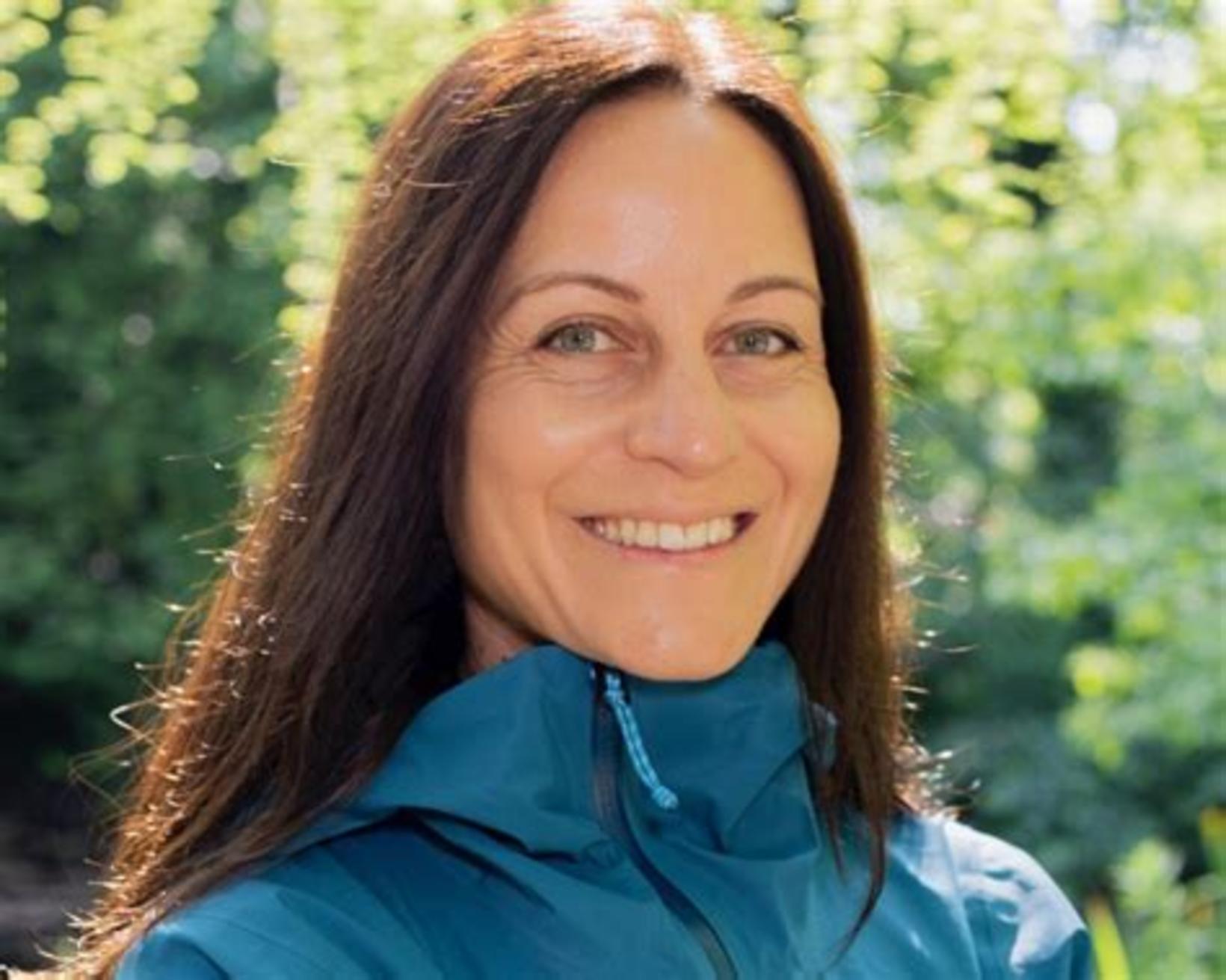
Nina Hajikhanian Managing Director of Patagonia Europe.
Photo/Submitted
That’s why I am pleased to join Jóni Kaldal tomorrow, where we will share how cooperation between companies and local organizations can support meaningful and lasting changes,” she says, adding that the conversation in question takes place at an important turning point.
“Iceland is preparing a new bill on aquaculture that has the potential to protect the future of the country’s wild salmon populations and fjords, or allow further expansion of salmon farming in open sea pens.
Later that evening we will stand for a show on Salmon nation | A Salmon Nationa film that takes a good look at Iceland’s fjords and coastal communities and explores how salmon farming in open sea pens shapes both the environment and the people associated with these oceans. Following the exhibition, there will be a panel discussion with Icelandic non-governmental organizations, including the Wild Salmon Conservation Fund and the North Atlantic Salmon Fund, along with other local voices working at the boundaries of nature conservation, society and policy.
Halla Tómasdóttir big fan
Patagonia is a big company and popular. Its influence reaches far and wide, as can be seen from the admiration of Hälla Tómasdóttir, the President of Iceland, for what appears in her book, Courage to make an impact. In it, she repeatedly says that Patagonia has broken new ground in business history in terms of responsibility and passion for environmental issues, and describes Yvon Chouinard, the company’s founder, as a “role model and guiding light” in her life.
Therefore, it may not be surprising that many have responded to Patagonia’s call to protest against a bill on legal fires in Iceland. According to information from the Icelandic Nature Conservation Fund, 1,503 e-mails have been sent to the Speaker of the Parliament on this occasion, most of them from the USA, Italy, Germany, France and the Netherlands.
Nina Hajikhanian was asked if she is happy with the response and if she thinks it will make a difference.
“We see this as one part of a much broader effort led by Icelandic communities and organizations.
Through our media, we invited our community to learn about the issue and, if people were concerned about it, to share their point of view with Icelandic parliamentarians. The response shows that people don’t care about what’s going on here and understand that it has wider implications.
This is about ensuring that those who make decisions see how big the concerns are, both within Iceland and internationally, and that the discussion is based on science, the voices of local people and the long-term effects on nature.
Ultimately, the decisions are in the hands of Icelandic parliamentarians. We see our role as supporting transparency and public participation and standing with Icelandic communities that have been working on this issue for many years.
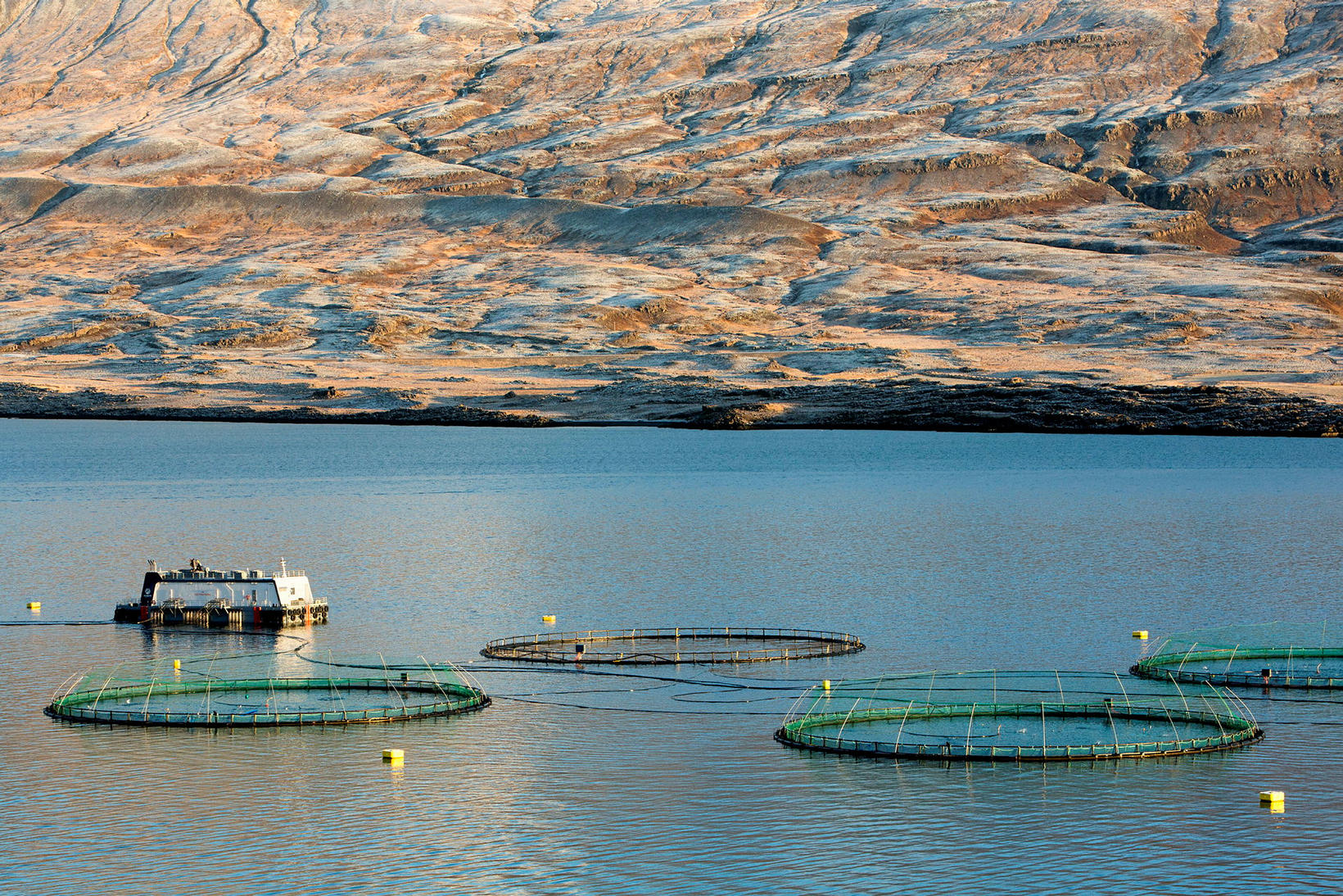
There are differing opinions about sea hen farming in Iceland.
Worked with Icelandic organizations since 2019
The Minister of Industry has criticized Patagonia for interfering with Icelandic issues. What do you think about it?
“We respect Iceland’s democratic process and the role of its government. This is an Icelandic issue led by Icelanders. Our role is to support that work, not to lead it.
Patagonia has been working with Icelandic organizations since 2019, providing funding, support for storytelling and campaigns. We only participate where we are invited and where we can contribute.
Part of our responsibility as a company is to speak up when we see danger to nature and support the communities that are already doing that work. It includes helping to bring international attention to issues of global importance.
What happens in Iceland matters far beyond the country. Our role is to help ensure that the voices of Icelandic communities and organizations are heard more widely, while we respect that decisions about the future of Iceland’s oceans are made here.”