Every May 5, the Benemérito Fire Department remembers one of the most dramatic episodes in republican history: the Polvorín tragedy. This event, which occurred in 1914, deeply marked the national memory and consolidated the image of the firefighter as a symbol of sacrifice and public service.
Panama at the dawn of the Republic
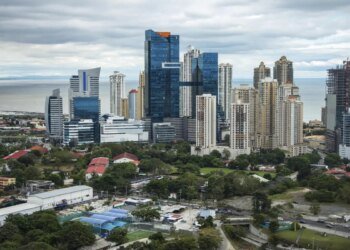
To understand the magnitude of the event it is necessary to place it in its historical context. In 1914, Panama was a young republic: barely eleven years had passed since the separation from Colombia (1903) and the country lived under the economic and strategic influence of the construction of the Panama Canal. The territory was undergoing an accelerated transformation, with large infrastructure works and intense commercial and military movement.
In that scenario, the handling of explosive materials was a daily activity. The construction of the canal required enormous quantities of dynamite, gunpowder and nitroglycerin, highly dangerous substances that were stored in warehouses near the city. One of those deposits would be the protagonist of the tragedy.
The incident
In the early morning of May 5, 1914, the fire station bells began to ring. A fire had broken out in the armory and gunpowder warehouses of the National Police, located near Bolívar Highway.
The building functioned as a powder keg: an explosives warehouse that included barrels of gunpowder, boxes of dynamite and other materials used by the government of the time and linked to the major canal works.
When the firefighters received the alarm, they quickly rushed to the scene without knowing the real magnitude of the danger. The mission was the same as always: put out the fire and protect the population.
Fighting fire
The first units of the Fire Department arrived at the scene to confront a fire that was growing rapidly. The fire threatened to spread to other nearby structures, making the situation a major emergency.
The firefighters began the work of controlling the incident without knowing that they were fighting flames fueled by highly explosive materials. This ignorance would be fatal.
According to historical records, when teams were already working to put out the fire, a large explosion occurred that changed the course of the operation and history. The detonation was devastating.
The explosion that shook the city
The explosion at the powder magazine was of such magnitude that it left firefighters, police officers and civilians dead and numerous injured. The tragedy marked the young nation with the loss of six firefighters who responded to the emergency call: Félix Antonio Álvarez, Luis de Bazach, Juan Bautista Beltrán, Luis Buitrago, Alonso Teleche and Faustino Rueda.
In addition to the deceased, several officers were injured, including Commander Darío Vallarino and other members of the rescue corps.
The event not only left human losses. It also caused great material damage and spread fear in the population, who understood the dimension of the danger faced by those who went to fight fires at that time.
A sacrifice that defined an institution
The Polvorín tragedy was not simply an accident. As time went by, it became one of the most significant events in the history of the country, especially for the Fire Department.
The sacrifice of the six firefighters symbolized the courage and selflessness of public service in Panama. His death was interpreted as a sign of the extreme commitment of those who risk their lives to protect others.
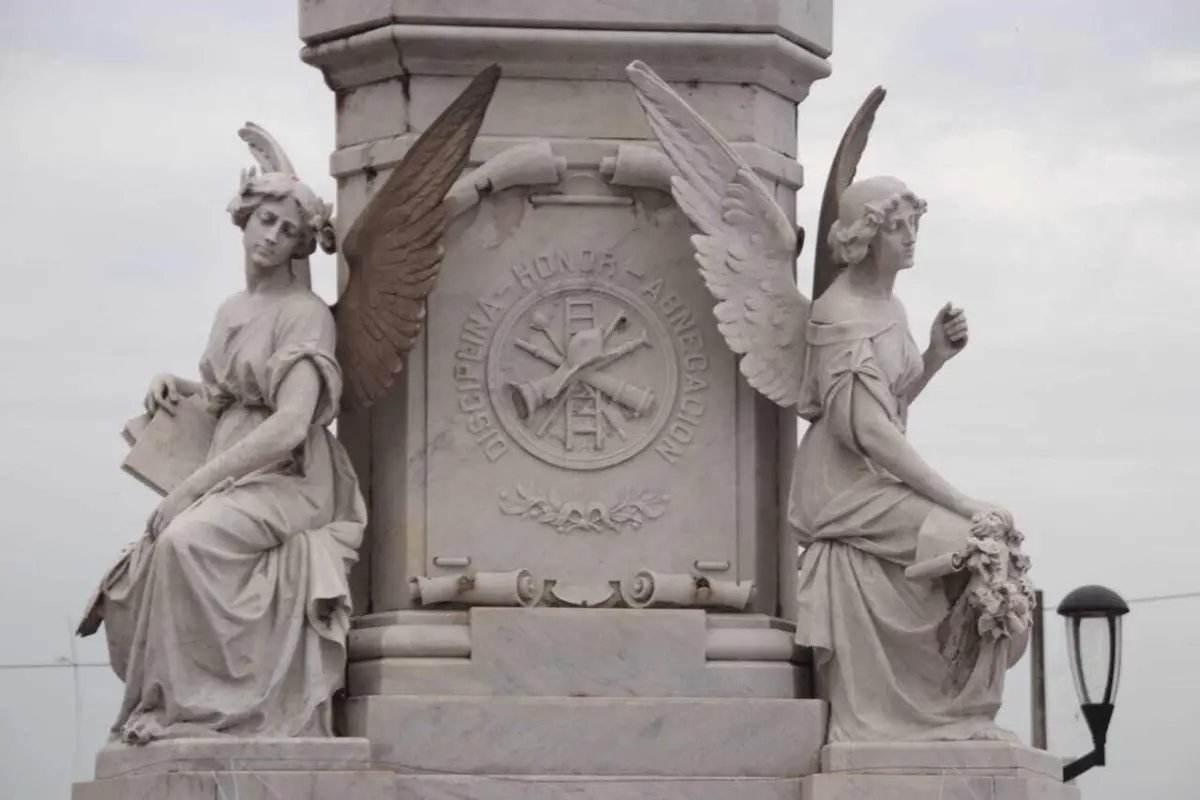
Since then, the motto “Discipline, honor and selflessness” acquired a deep meaning within the institution.
Over the years, the Polvorín tragedy became a symbol of national heroism. Every anniversary, firefighters hold memorial events, parades and wreaths to honor the fallen.
Ceremonies usually include visits to monuments, tributes and educational activities that seek to transmit historical memory to new generations.
The memory of the Polvorín also strengthened the identity of the Fire Department as a key institution in citizen security.
An event linked to the development of the Canal
The deposit of explosives was directly related to the activities of the State and the works of the Panama Canal. This shows how the country’s accelerated growth implied considerable risks.
In that sense, the Polvorín incident reflects a stage of national transition: a time in which the country sought to consolidate itself while facing technical and security challenges typical of modernization.
The tragedy left important lessons about the handling of hazardous materials, risk prevention and the need for stricter safety protocols.
The evolution of the fire department
After the disaster, the institution strengthened its practices, training and protocols. The sacrifice of 1914 helped drive improvements in the training, equipment and organization of Panamanian firefighters.
The tragedy also helped consolidate social recognition of the fire service, which has since been seen as one of the pillars of public safety.
Today, more than a century later, the Panama Fire Department continues to remember the martyrs of the Polvorín as a fundamental part of its identity.