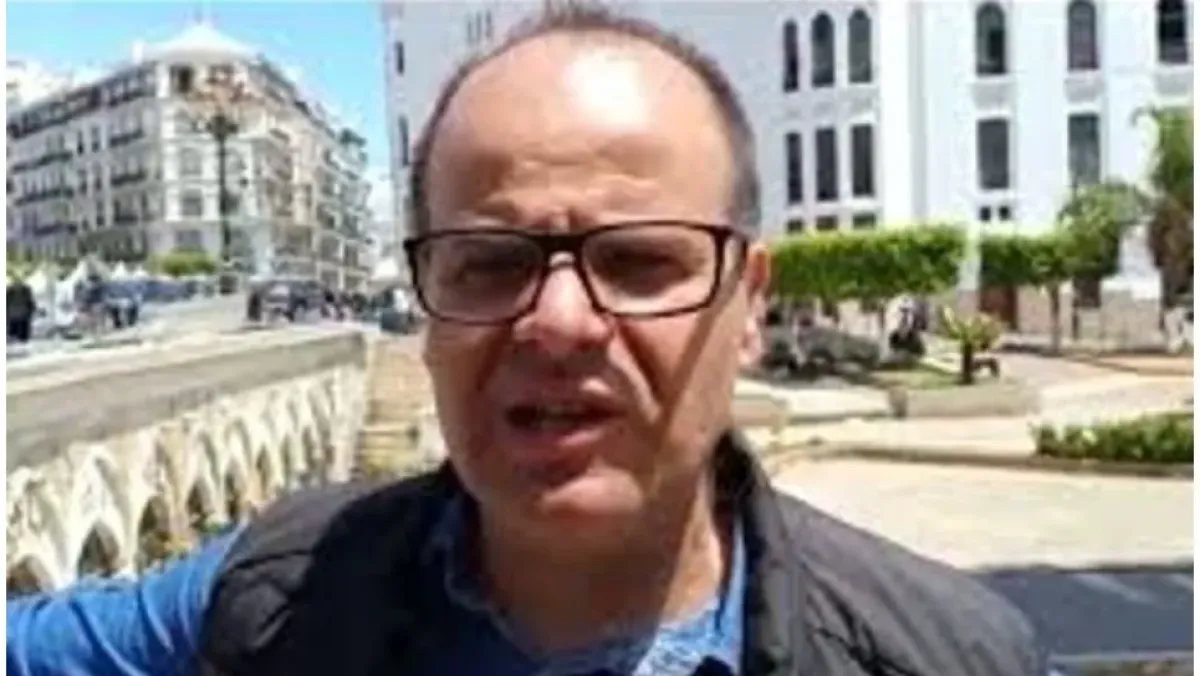
Youssef Taazibt, a leader in the Workers’ Party, criticized the phenomenon of “political reaction” in an interview broadcast on Al-Khabar TV, considering it one of the most prominent deviations that affected the credibility of party work in Algeria. He called for the necessity of moving towards deeper reforms that go beyond the legal framework to include political practice as a whole.
Taazibit also explained, in statements to Al-Khobar TV, that the Labor Party was among the first parties to alert to the danger of this phenomenon, which is based on the transfer of elected officials from one party to another, especially from the opposition to the parties in power, with motives linked to personal interests rather than political convictions. He considered that this behavior “affects popular sovereignty and penetrates the consciences of voters,” making it an unethical practice that conflicts with the foundations of democratic work.
In his reading of the recent legal amendments, the speaker indicated that banning “political curfews” during the electoral period is a step consistent with the constitution, but he noted the danger of any interpretation that might restrict freedom of political affiliation outside this period. He added that party affiliation cannot be a permanent commitment that follows a person, but rather remains an option subject to review according to the development of convictions, especially after the end of the term.
In a related context, Taazibit stressed that “ethics in political work” cannot be achieved only through enacting laws, despite their importance, but rather requires actual political will, in addition to enabling parties to impose discipline within the ranks of their electors. He also acknowledged the existence of deep-rooted practices within some parties that contributed to weakening citizens’ confidence in political work, which, according to him, was reflected in a decline in electoral participation rates.
On the other hand, the leader of the Labor Party touched on what he described as cases of “unjustified exclusion” of candidates during the past elections, criticizing the legal wording related to the separation of money and politics, which he considered “elastic” and opens the way for interpretations that may be exploited to exclude competitors without conclusive evidence.
He referred to one of the candidates from his party in the state of Mostaganem, who was excluded despite his electoral history, under the pretext of his possible influence on the conduct of the electoral process. He stressed that depriving any citizen of the right to run must be based on a final judicial ruling, not on suspicions or unproven estimates.
Taazibit concluded by emphasizing that enhancing confidence in the political path comes through ensuring the integrity of partisan practice and respecting citizens’ political rights, considering that true reform begins with changing behaviors, and not being satisfied with legal texts.