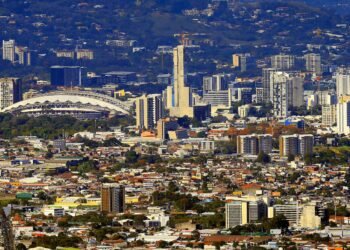
You have to live in the same place for many years to realize that everything changes. The streets remain the same (more or less), one too (more or less).
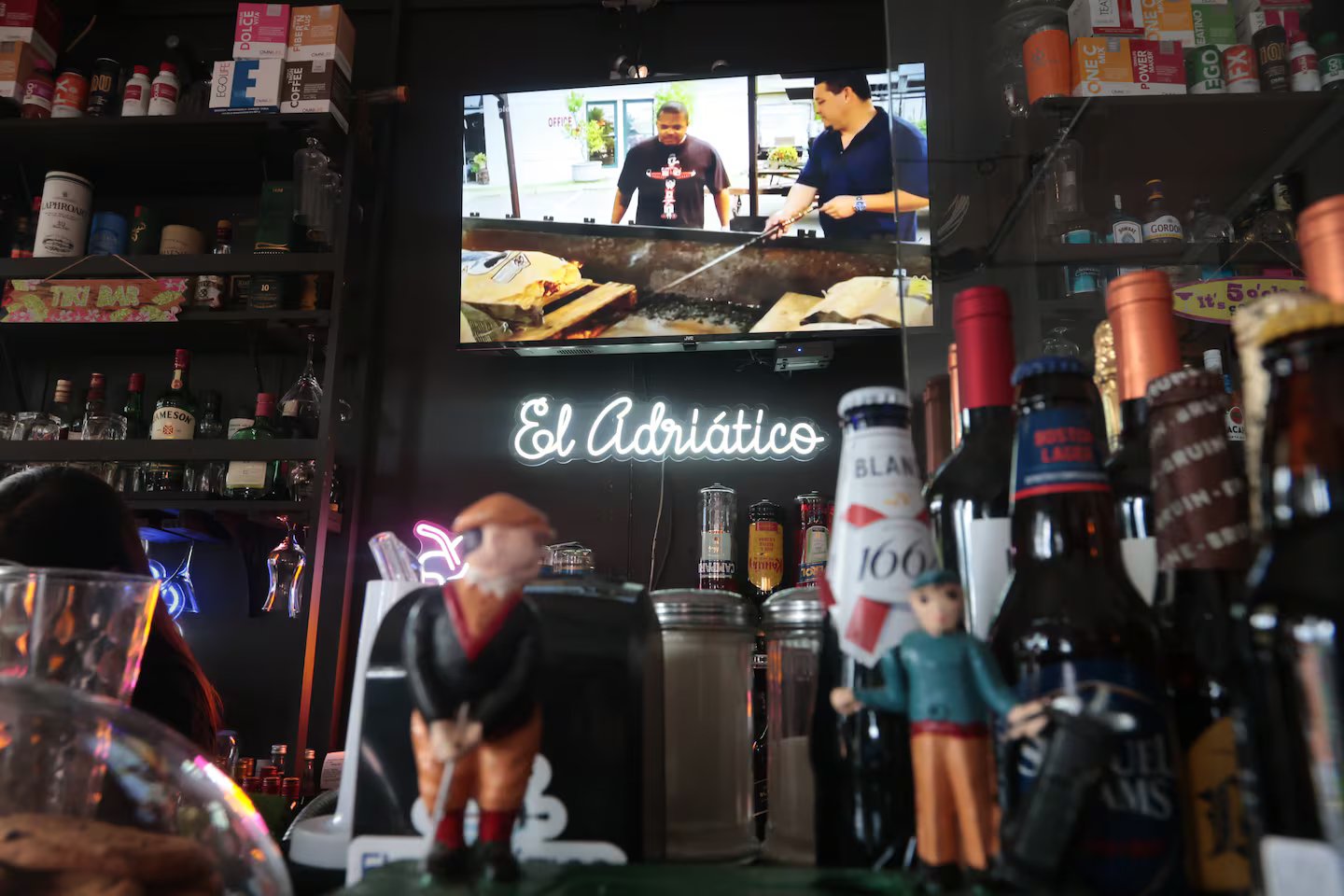
But the destiny of a city is to change, disappear, undo, remake itself. And something like this has happened with the El Adriatico bar, anchored in a corner in front of the Luján neighborhoodwhich lasts 80 years and who knows how many incarnations.
I have always wanted to steal the title of a book by Juan Tallón: As long as there are bars. But I couldn’t. The fact is that as long as there are bars there will be anchors in the rough, dirty and confusing sea of San José, because even in their skeletons they remain.
What would be my surprise, one recent afternoon, to find more than a skeleton in the Adriatic; In fact, the entire ship, resting on the dock, still searching for what it wants to be… in a good way.

Telling the entire story of the Adriatic is up to other divers; I ran into Germán Moya, who inherited the mission a few years ago and is one of the owners. Now he is polishing the pearl that he got, and the way he does it is by combining good food, a good atmosphere and a cultural agenda that never stops growing.
Cultural? Well of course. Tango, with Óscar López Salaberry; Luis Ángel Castro singing; Monday gathering. That is to say: a full agenda to go and enjoy nights of a long-lost bohemia in San José, but that can be reborn in corners like this.
You look out the window and the neon lights, the cars and the wind inspire the music you will hear: a special night, in a special place.


But since I stopped by to eat that afternoon, my first contact was with some Korean-style ribs that surprised me with its texture and the depth of flavor of its sauce, as well as the excellent accompaniment with the umami of cucumber and soy (there are wings with the same accent). Then, a delicate ceviche, a little cloud in front of the sea.
“We Ticos are a little good at forgetting things, right?” says Germán. “That’s why we have been putting on the walls a little of the history of the Luján neighborhood and the historical landmarks of the area to rescue it; in the first part of the 20th century it was a very important place.”
Today, an office district, it pushes the Adriatic towards the morning, not the night that made it famous (it still closes late, don’t worry). That is to say: generous breakfasts all day and lunch. Some audiences will come first for the hearty pinto or full lunch, and after a while they will want to come to the concert at night.


“In the Luján neighborhood everything changes, all the time,” says the man at the helm. In the months that he has been adjusting the musical menu and the gastronomic menu, different sailors have ended up here. But it is part of defending a city as strange as San José, where despite everything, one still finds quiet, pleasant corners, without drama, and with good taste like today’s Adriatic. “There is a group of visionaries, I would say, who intend to save the area,” says Moya.
Some mouths with character, a warm dessert for coffee; The back room, a narrow corridor of the old houses of San José, offered such a curious view that it stopped me even longer. It is possible that the Luján neighborhood continues to change, and to address the present, the new Adriático offers gatherings, books, concerts, and other events that remind us that this city still breathes and has history.
Not for nostalgia, but for today: a new Adriatic, where you can listen to tango, jazz, romance and bolero live (and so rare it is to hear live music now in this city!), eat delicious food and watch the night cover a San José that sometimes seems hostile. Not here, here it is calm, calm sea for music, drinks and good cuisine.