Synopsis: National drive seeks to curb new HIV infections and accelerate progress in AIDS eradication goal.
The Ministry of Interior has told officials to step up promotion of 100% condom use in a bid to curb HIV transmission and eradicate AIDS.
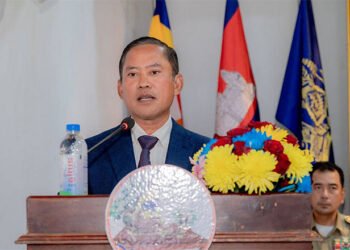
Signed by Interior Minister Sar Sokha, the order follows a government circular from December 19, 2025, which encourages universal condom use.
The ministry asked secretaries of state, undersecretaries of state, senior police officials, ministry leaders, governors, and civil servants across levels to spread five key messages.
Authorities are required to continue public education campaigns highlighting the effectiveness of consistent condom use in preventing sexual transmission of HIV.
Officials were also told to raise awareness about the continuing risks of HIV and eliminate the misconception that AIDS does not exist in Cambodia.
The ministry said eradicating AIDS will require the participation of all sections of society through careful prevention measures, including full and proper condom use.
In another measure, the ministry urged workers at entertainment venues who suspect they may have been exposed to HIV to seek immediate testing.
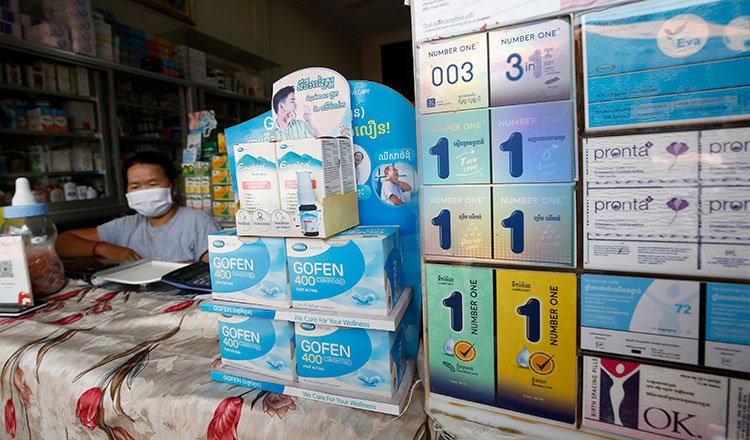
The directive also called for distribution of condoms at locations where they may be needed, particularly at karaoke clubs, beer gardens, hotels, guesthouses and other places where sexual activity may occur.
The ministry added that condoms should not be used as evidence for criminal prosecution, except in cases where they are directly linked to active sex trafficking offences.
Cambodia has been internationally recognised for major progress in reducing HIV infection rates over the past two decades through prevention campaigns.
However, health experts have repeatedly warned that continued vigilance is necessary to prevent new infections.
Latest estimates say about 76,000 people in Cambodia were HIV positive in 2024. During the same year, the country recorded around 1,200 new infections, which translates to roughly three new cases per day.
According to Ung Polin, Adviser-Services at the UNAIDS Multi-Country Office for Cambodia, Laos, and Malaysia, the groups facing the highest risk are men who have sex with men; transgender women; women workers in the entertainment sector; and people who inject drugs.
Data show that young people are significantly affected. About 40% of new infections occur among those aged between 15 and 24, although Polin added that these cases are largely concentrated among vulnerable groups rather than young people.
“Everyone who practises unprotected sex is facing a risk,” he said. “HIV can infect anyone with risk behaviour.”
Cambodia has made considerable progress in expanding treatment services. Around 1,000 people died of HIV-related causes in 2024, a figure that Polin said has declined compared with previous years.