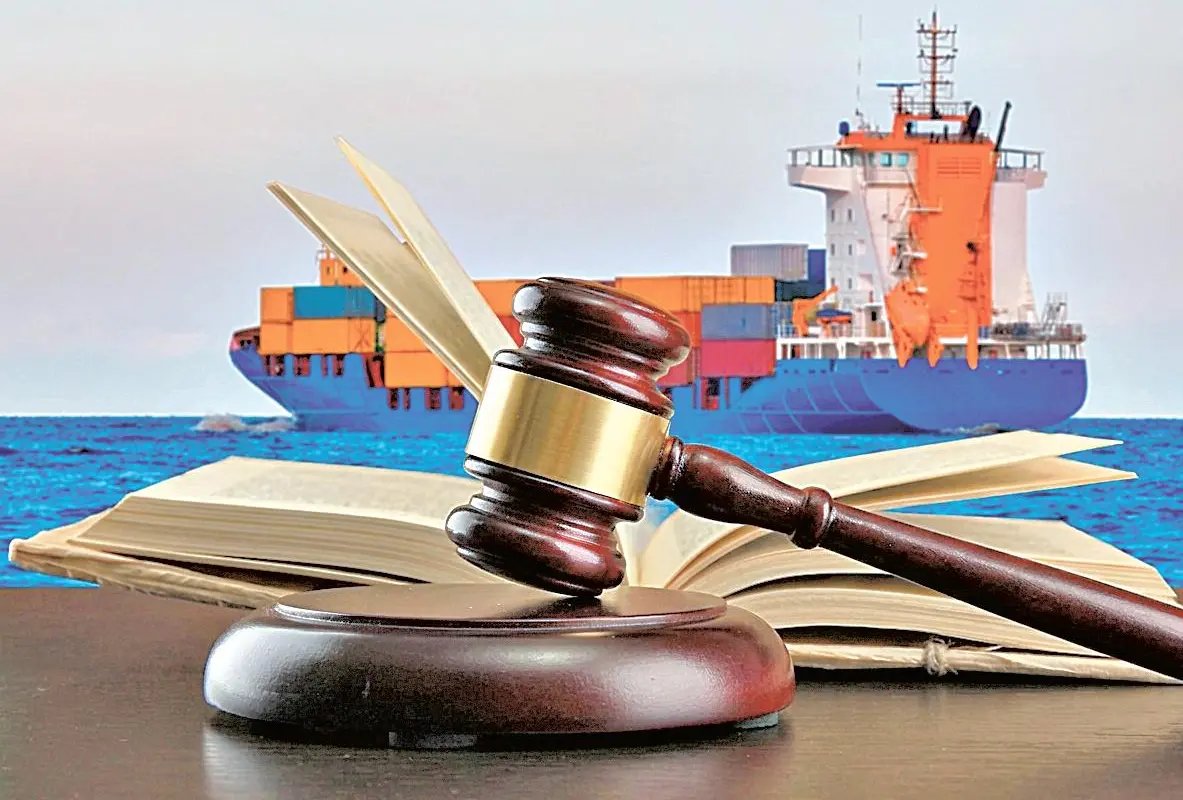
Panama is at a key moment in the international maritime scenario, where specialized courts and the Panamanian flag are directly exposed to global tensions, such as those in the Middle East.
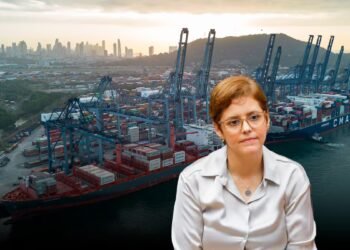
The lawyer specializing in maritime law Remy Francisco Carreira-Franceschi and the vice president of the Ibero-American Institute of Maritime Law in Panama, Edwin Antonio Mendoza Flores, explained the current scenario and the analyzes being carried out.
Carreira-Franceschi explained that the evidence assurance procedure is a fundamental tool that allows parties and judges to immediately access the necessary documentation in international litigation, which saves time and resources and guarantees transparency in the processes.
Among the most common cases that reach the Maritime Court of Panama, he mentioned personal injuries to seafarers, claims for fuel debts – known as bunkering – and disputes in charter contracts, which have intensified due to the conflict in the Strait of Hormuz, where several ships contracted to transport fuel have failed to fulfill their commitments.
Although he clarified that no direct cases have yet been recorded in Panama linked to this conflict, he warned that it is a matter of time before Panamanian flag ships are involved, given their active participation in world trade.
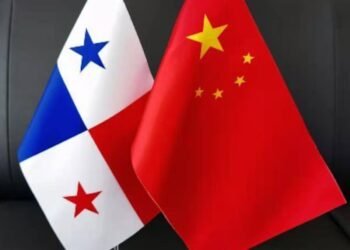
Carreira-Franceschi also warned about greater scrutiny of Panamanian ships in ports such as Chimbote, which could be interpreted as a measure of political pressure within the framework of the geopolitical dispute between China and the United States.
“The direct attack on the Panamanian flag has significant consequences for the country,” said the lawyer, recognizing that the situation transcends the legal aspect and is inserted in a scenario of global diplomatic and commercial tensions.
For his part, Mendoza Flores pointed out that the detentions and delays in inspections of Panamanian flag vessels respond to technical operations of the port State, but recognized that these practices generate a direct impact on the national merchant marine.
“At an academic level, what we see is the need to harmonize standards and procedures to prevent inspections from becoming a factor in geopolitical games,” he explained.
The vice president of the Ibero-American Institute of Maritime Law in Panama highlighted that the country, due to its strategic position and its history of innovation in processes such as the maritime single window, has a key role in the harmonization of international standards and in the defense of its logistics competitiveness.
He recalled that the country has been a spearhead in the creation of mechanisms that streamline operations, such as free dialogue, which allows ships to begin activities more efficiently thanks to coordination between authorities and prior knowledge of documentation and crew.
In his opinion, academic strengthening and international cooperation are essential for Panama to maintain its leadership in the maritime field, especially in a context where global tensions can have a direct impact on the operation of its fleet and on the confidence of shipowners and insurers who opt for the Panamanian flag.
Both specialists agreed that Panama is at the epicenter of an international dispute that could escalate beyond the courts. In this sense, the Ibero-American Institute of Maritime Law in Panama seeks to integrate operational and logistical training in the training of lawyers, with the objective that they can better understand the problem and act more effectively in trials and evidence assurance procedures.
The combination of practical experience and academic vision, according to both experts, will be key for Panama to continue being a reference in the resolution of maritime conflicts and in the defense of its strategic position in international trade.