Havana/Every May 3 comes with a different weight when journalism is practiced from a country where freedom of the press is not a right, but a daily battle. This is not a date to celebrate, at least not in the most comfortable sense of the word, but to take inventory: of what has been earned, of what was lost along the way, and of what is yet to be built. In Cuba, being an independent journalist is not just a profession; It is a form of resistance.
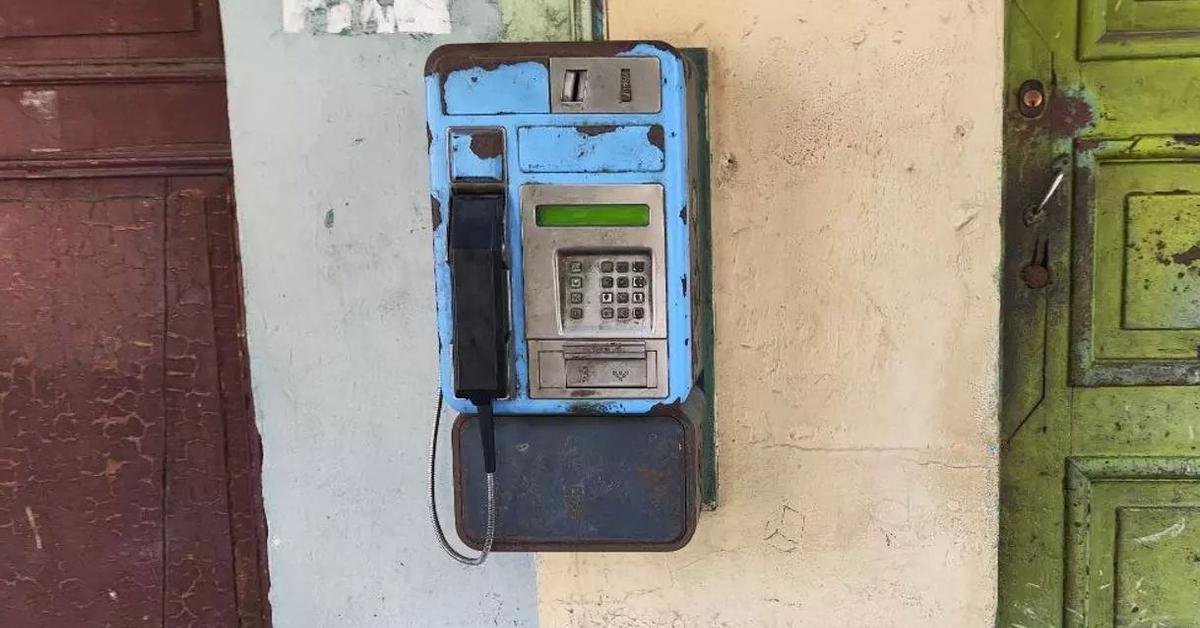
I have learned to measure time not only by the days that pass, but by the times the internet connection drops, by the messages that never arrive, by the calls that are cut off just when someone begins to tell their testimony. Poor quality communications is not just a technical problem, it is a strategy. As are the operations around our homes, the police patrols that appear on “sensitive” dates, the agents who monitor, write down, intimidate. There are days when going out to report means first getting around a fence.
Added to this are the most visible threats: subpoenas, interrogations, seizures, judicial processes that seek to convert the exercise of journalism into a crime. They call us “mercenaries”, “enemies”, “destabilizers”, as if telling reality were a form of violence. But the truth is that the greatest fear of power is still that someone will look, ask and publish.
The greatest fear of power continues to be that someone will look, ask and publish
However, the challenge does not end with repression. There is another challenge, quieter and more complex, that has to do with Cuban society itself. For decades, the country lived under an information monopoly that shaped not only what was said, but also how it was heard. Many citizens grew up with the idea that the press should confirm, not question; accompany, not investigate; embrace, not criticize. Today, as the cracks in that wall deepen, confusion also emerges: What is the role of a journalist? Who do you answer to?
Therein lies, perhaps, one of the greatest challenges of the future: rebuilding the relationship between the press and the public. Explain, with facts and rigor, that our role is not to please or be a sounding board for politicians or interest groups. That we are not here to applaud or to amplify slogans. That journalism, in its essence, is uncomfortable. Investigate. Reveal. And that discomfort is necessary, both when it points to power and when it illuminates the dark areas of one’s own citizenship.
Being an independent journalist in Cuba today is walking on unstable terrain, where every step can have consequences. But it is also an inspiring profession. Because in the midst of blackouts, censorship and imposed silence, each story published is a small victory against the gag.
Being an independent journalist in Cuba today is walking on unstable ground, where every step can have consequences.
This May 3 I have no certainties, but I do have convictions. The main one: that, even if they cut off our connection, there will always be someone looking for a signal to publish an article or denounce an injustice. And as long as there is that need to know, to understand, to name what is happening, journalism, even the most persecuted, will continue to find a way to break through.
To my colleagues, congratulations on this day, but I warn you that the road ahead is full of dangers, even dangers that come from what today seem to be very close supports.