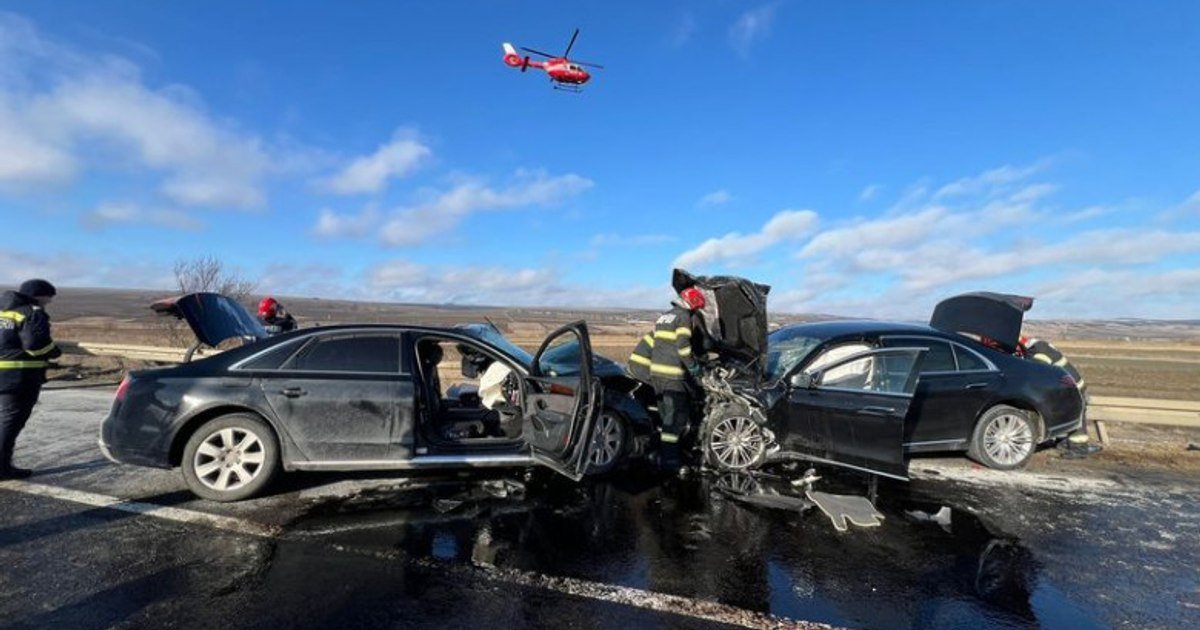
Road accidents are not evenly distributed throughout the year. There are some “risk” periods, when their number increases visibly, due to a combination of factors such as heavy traffic, weather conditions or driver behavior.

Most accidents are recorded in the summer. Archive photo
The periods with the highest rates of claim registrations were observed in the months of July (9%), March (8.9%) and May (8.9%). The smallest weights were recorded in December (6.9%), April (7.5%) and November (7.6%).
Summer (June – August)
It is one of the most dangerous periods. Traffic is much more intense during holidays and vacations, and long journeys increase the risk of fatigue at the wheel. At the same time, good road conditions and high visibility lead many drivers to drive at higher speeds and take risks, including more frequent trips at night or in contexts where alcohol consumption is more present. In practice, apparently favorable conditions lead to more relaxed but riskier behavior.
Winter (December – February)
The cold season also brings a high number of accidents, but for different reasons. Sleet, snow and slippery roads reduce grip, and visibility is often affected by fog, snow or shorter daylight hours. In addition, poorly equipped cars and slower reactions increase the risk of losing control. Unlike in the summer, here the main problem is not excessive speed, but the difficulty of controlling the vehicle in difficult conditions.
Holidays and busy periods
During periods such as Christmas, New Year, Easter or mini-holidays, traffic becomes extremely congested on certain routes. Many drivers are in a hurry or stressed, and alcohol consumption is higher. At the same time, there are also occasional drivers who rarely drive and can react less effectively in borderline situations, which increases the risk of accidents.
Critical hours of the day
Regardless of the season, there are high-risk time slots. In the morning and evening, during peak hours, traffic is heavy and tense situations occur frequently. At night, instead, fatigue, reduced visibility and alcohol consumption become major risk factors.
In addition to seasonality, accidents are constantly influenced by excessive speed, inattention at the wheel (especially using the phone), failure to adapt to road conditions, poor road infrastructure and the technical condition of the vehicle.
The biggest damages are recorded in winter, the lowest in May
These patterns are also confirmed by data from the car market. According to an analysis carried out by carVertical, in Romania the highest rates of damage registrations were observed in the months of July, with 9%, March and May, both with 8.9% each. At the opposite pole, the lowest shares were recorded in December, with 6.9%, April with 7.5% and November with 7.6%.
The explanation lies mainly in the intensity of the traffic and the behavior of the drivers. “These peaks may be influenced by increased traffic during the spring and summer. As temperatures rise, drivers tend to feel more confident in their abilities, but they are dealing with heavier traffic, which increases the risk of accidents.”explains Matas Buzelis.
At the same time, the perception that winter is the most dangerous period is not fully supported by statistics. Although the conditions are more difficult, most collisions in the cold season are less serious and occur due to inappropriate speed, small distances between vehicles or reduced visibility. Experts show that drivers tend to be more cautious in winter, which limits the number of serious accidents.
Paradoxically, winter is the time when damage costs are the highest. The highest average was recorded in December, reaching approximately 3,204 euros, while the month of May had the lowest costs, with approximately 12% lower. Explanations include long holiday commutes, slippery roads and poor visibility, factors that increase the likelihood of more serious collisions.
In this context, checking the history of a used car becomes essential. More and more drivers are looking at such reports to avoid purchasing vehicles that have been poorly maintained or damaged in the past. However, experts point out that not all damage is a cause for concern: minor scratches or bumps do not affect safety, but high repair costs can indicate serious accidents.
“It is crucial to carefully review the damage records in a car history report. Always take the vehicle to an authorized service center and have a mechanic assess how previous damage has been repaired. If you skip this step, buying a car turns into a gamble“, warns Matas Buzelis.
He also recommends avoiding cars that have had thousands of euros worth of damage in the past, as hidden structural defects may compromise safety in the event of another accident.