Sometimes I wonder what the world would be like if we truly believed in what we say we believe. Not in the ritual sense, nor in the cultural sense, nor even in the identity sense. But in the most uncomfortable sense: which requires coherence.
What would a world look like where countries acted from the most essential principles of the religions they profess?
I think of Russia, of the United States, of China, of Israel, of Palestine, of Iran. In Governments that, in one way or another, rely on moral, nationalist or value narratives to define themselves, differentiate themselves and justify their decisions.
I think of him Christianityso present in the United States and Russia, whose central teaching speaks of love for one’s neighbor, of forgiveness, of turning the other cheek, to care for the most vulnerable.
How is the idea of “loving your neighbor” sustained in contexts where violence is justified as a legitimate means of power?
I also think of Judaism, with its emphasis on justice, on ethical responsibilityin life as something sacred. What form does justice take when the suffering of another is also real?
I think of Islam, which places compassion, mercy, charity at the centerhumility in the face of something greater than oneself. How is the memory of one’s own pain balanced with the dignity of the other?
I think about the multiple philosophical and spiritual traditions that have influenced China, such as Confucianism, Taoism, Buddhism, which speak of harmony, balance, order, collective responsibility.

What does harmony mean when there are tensions that cannot be named? Because, if all these traditions share something, beyond their differences, it is a profound invitation to transcend the egoto recognize interdependence, to take care of life. But, as humanity, we seem to have learned to do something very different. And in that process, something breaks.
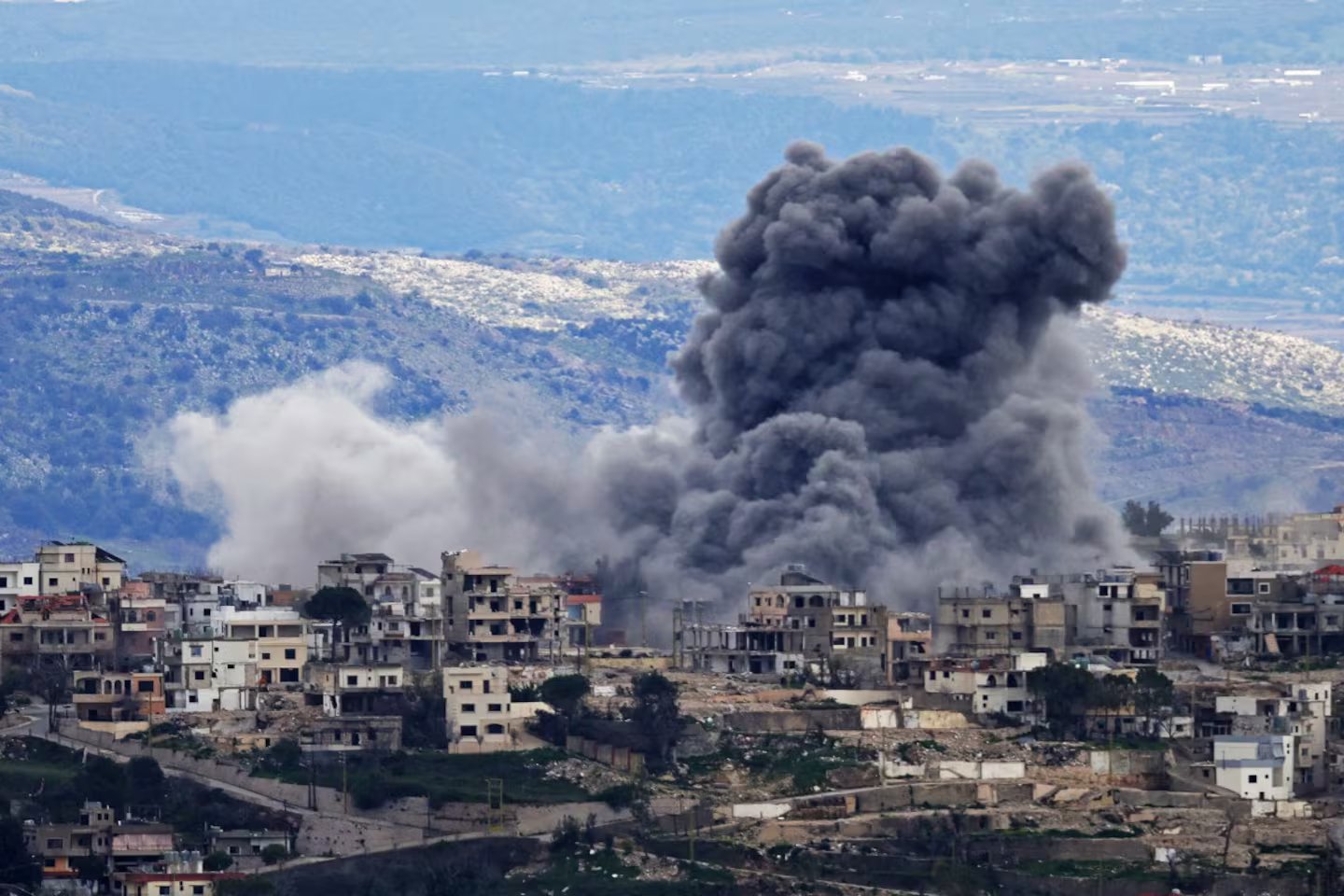
It is not only the visible violence in war, weapons and destruction. It is also the most subtle violence: indifference, the narrative that dehumanizes, the ease with which the “other” stops being a person and becomes a threat.
Maybe the problem is not in what we believe, but in the distance between what we believe and how we live.
What if those narratives were not just discourse, but living practice? If love of neighbor had no borders. If compassion didn’t depend on nationality. If human life were not relativized according to the side of the conflict on which one is born. If dignity were non-negotiable. If the truth were not molded to serve power and its interests. If humility were above domination.
It is in that silent gap where coherence is diluted.
Because it is easier to justify violence than to embody a principle. Easier to defend an idea than to live it. Easier to point out the inconsistency outside than to recognize it inside.
And yet, there could be the key. Not in demanding governments to be coherent (although that would be highly desirable), but in ask ourselves what part of that incoherence also lives in us. In everyday life. In how we treat those who think differently. In how we justify our own forms of violence, even if they are much smaller.
Perhaps the conflicts we see on a global scale are not alien to our human experience, but rather an amplification of it. An expression, in a big way, of what we have not yet been able to solve in a small way.
What if we started the change through personal coherence? Isn’t living from the principles we say we value, in itself, a political act?
Because, perhaps, peace is not built first on borders, nor in agreements, nor in speeches. Maybe it starts in a much more uncomfortable place: in the way we inhabit our own contradictions. In how we respond to conflict. In how we look at others when we disagree. In how we uphold (or don’t) dignity, even when we feel we are right.
How are you handling your internal war? From love and compassion… or from the need to eliminate everything that does not fit, that bothers, that challenges?
Because, in the end, maybe it’s not about believing more. But to live, even if just a little more, what we already say we believe.
aimee_lb@yahoo.com
Aimée Leslie is an environmental manager and doctor in transitions towards sustainability.