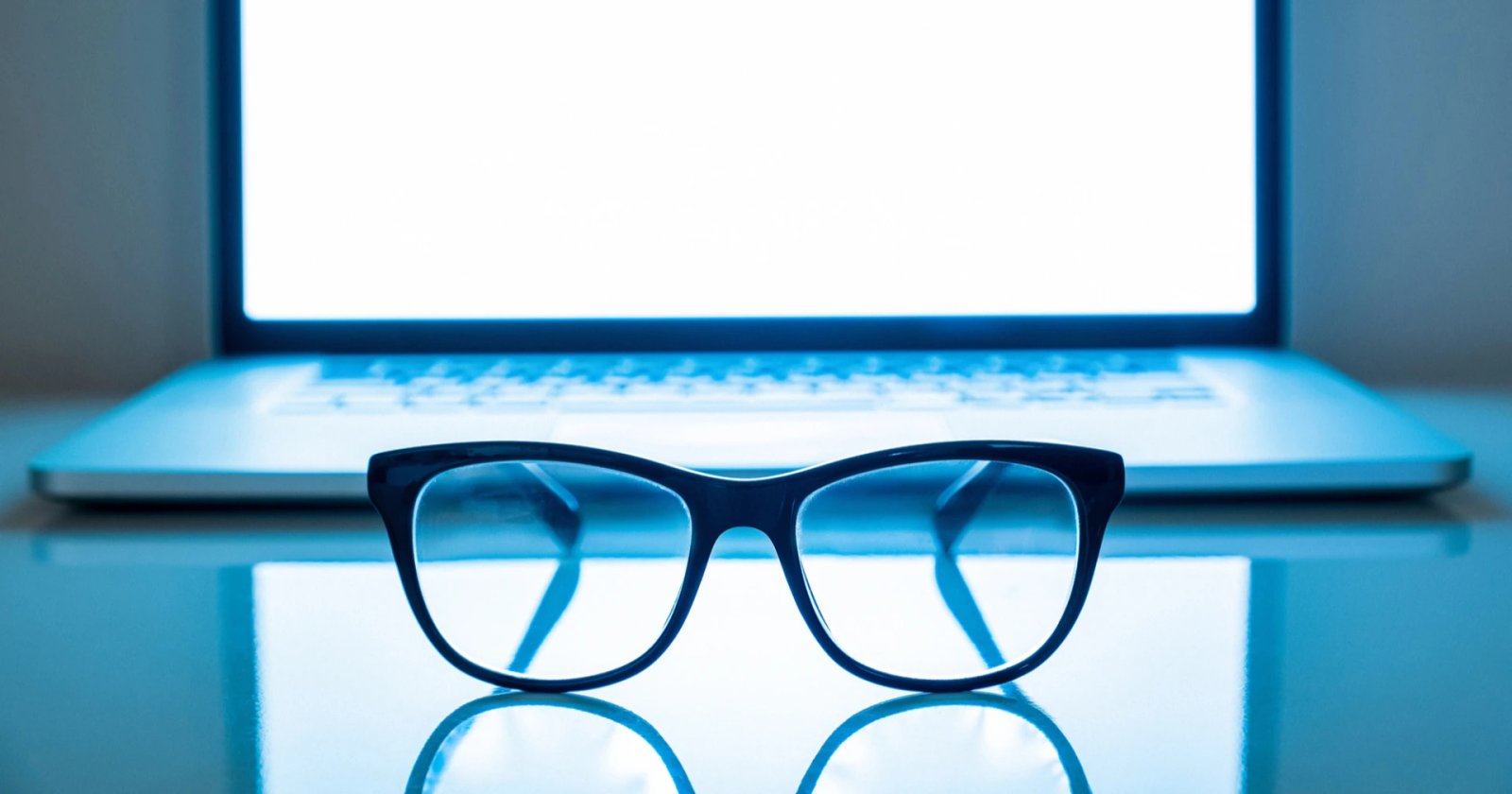

The effectiveness of glasses against blue light is exaggerated, experts say
Photo: Photoboyko/Depositphotos
Glasses with a blue light filter have become a real trend among those who spend hours at the computer or smartphone. Manufacturers say they can protect vision from the effects of screens, reduce fatigue and even improve sleep.
But is it really so? How do such accessories work and are they useful for eye health – ophthalmologist Kathleen Petro explained Cleveland Clinic.
Are the glasses effective? from blue light?
Glasses with a blue light filter are designed to cut off ultraviolet radiation that enters the eye. They are often touted as a way to reduce eye fatigue, protect the retina from damage, and improve sleep quality.
But science questions their effectiveness.
The doctor says that these are actually accessories do not reduce eye fatigue, caused by prolonged exposure to screens. Indeed, after working at the computer eyes may water, dry, or become sensitive to light. However, there is no clear evidence that blue light is the cause.
More likely, the problem is something else: when we look at the screen, we blink less often and focus for a long time at a close distance. This dries out the cornea and causes discomfort.
Also, according to the doctor, such glasses do not improve eye health. Research does not confirm that blue light from gadgets harms the retina.
The only area where they can be of any benefit is sleep.
“Blue light in the evening signals the brain to stay awake and suppresses the production of melatonin, the sleep hormone. If you use gadgets late at night and have trouble sleeping, they can help a little. But healthy sleep habits are much more important.” – says the ophthalmologist.
Also, such glasses can reduce glare and make the image more comfortable. But this is not related to the filtering of blue light, but to the coating and tinting of the lenses.
What do scientists say?
Researchers from the University of Melbourne in collaboration with colleagues from the City University of London and Monash University (Australia) conducted review of 17 randomized controlled trials.
“The results of our review, based on the best available evidence, show that the evidence for these claims is inconclusive and uncertain. Our findings do not support the use of blue light filter lenses in the general population,” – said the first author of the review, Dr. Sumir Singh, writes Medical Xpress.
The potential mechanisms by which blue-light filter lenses may reduce eye strain and enhance retinal protection are unclear, he said.
One of the reasons for the benefits of these lenses is that modern digital devices such as computers and smartphones emit more blue light than traditional light sources.
“However, the amount of blue light our eyes receive from artificial sources such as computer screens, is about a thousandth of what we get from natural daylight.
It’s also worth remembering that blue light filter lenses typically filter out about 10-25% of blue light, depending on the specific product.” Dr. Singh explained.
What is more effective than using glasses?
To solve the problem of eye fatigue, Kathleen Petro recommends:
- every 20 minutes for 20 seconds look at an object at a distance of about 6 meters;
- blink more often to avoid dry eyes;
- use moisturizing drops (if necessary);
- keep the screen at arm’s length;
- increase the font and contrast so as not to strain the eyes;
- regularly check vision;
- limit the use of screens before bedtime;
- reduce overall screen time whenever possible.
Healthy habits in using gadgets are much more effective than special glasses, says the doctor.