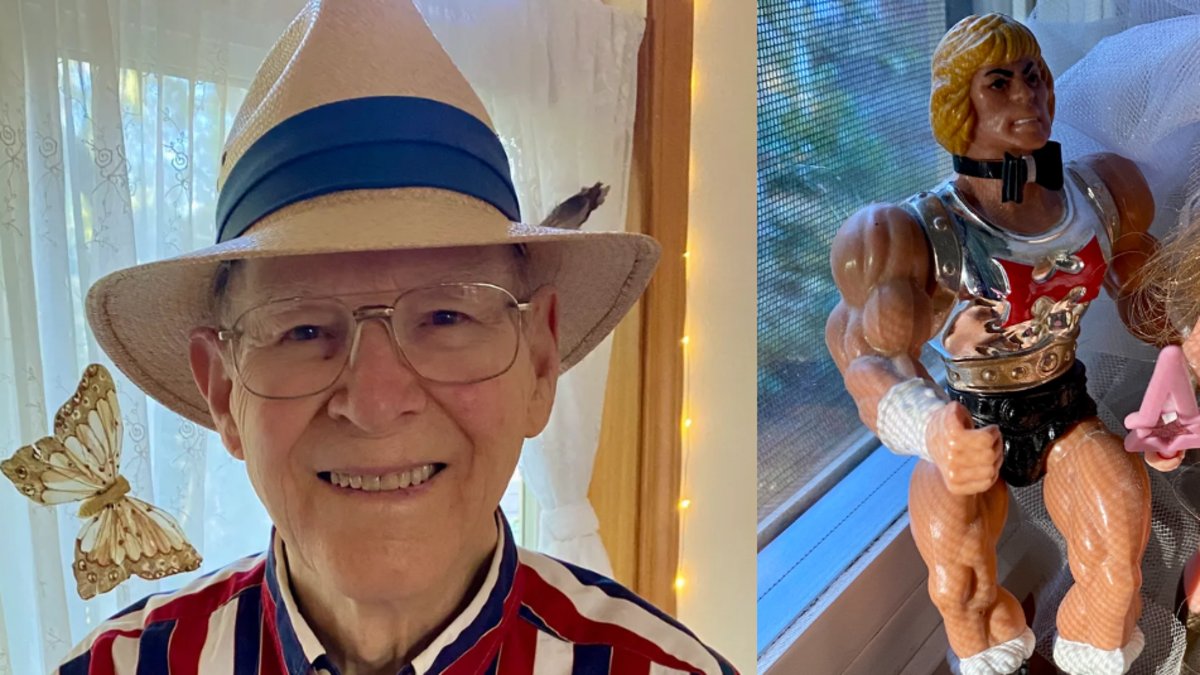
The toy universe is shocked after the loss of one of Mattel’s most recognized designers, Roger Sweet, the man who gave life to the iconic figure of ‘He-Man’ in the 80s.
The news of his death was confirmed by his wife, Marlene Sweet, through the American media TMZ.
The creative died in a specialized center. Photo:Social networks
READ ALSO
Although, at the moment, no further details have been revealed about the official cause, it is known that For several months the man had been in a specialized center battling dementia.
To cover the costs of medical treatment and hospitalization, his wife opened a fundraising campaign in February, which was supported by the designer’s followers.
According to what was reported by The Independent, The man’s health deteriorated rapidly after suffering a fallsince the blow caused two brain hemorrhages and severe bruises on his body.
His followers helped finance his medical care through a solidarity campaign. Photo:GoFundMe
As a result, he was admitted to the ICU and, to prevent further incidents, the doctors recommended that his wife take him to a place specialized in care for elderly people with memory disorders.
After his case became known, fans of his work and the ‘Masters of the Universe’ figures questioned the circumstances, arguing that, although Roger was one of the architects of the toy’s success, He was one of the most discreet and never truly received recognition for his work.
The man gave life to the most popular toy line of the 80s. Photo:GoFundMe
READ ALSO

Who was the mind behind ‘He-Man’ and ‘Masters of the Universe’?
The American toy designer worked for more than 15 years at Mattel and was responsible for launching one of the most recognized lines of 1982, which arose as a response from the company after it had refused to produce the ‘Star Wars’ dolls.
Although the authorship of the figures in ‘Masters of the Universe’ has historically generated a debate due to the participation of several people, Roger is usually directly linked to the initial conception of ‘He-Man’ and the birth of the first copies.
The success of the toys was due to the joint launch of the story, which was originally told through mini-comics included in the packaging, an idea that years later reached the small screen and further boosted its popularity.
READ ALSO
STEPHANY GUZMAN AYALA
DIGITAL SCOPE EDITORIAL