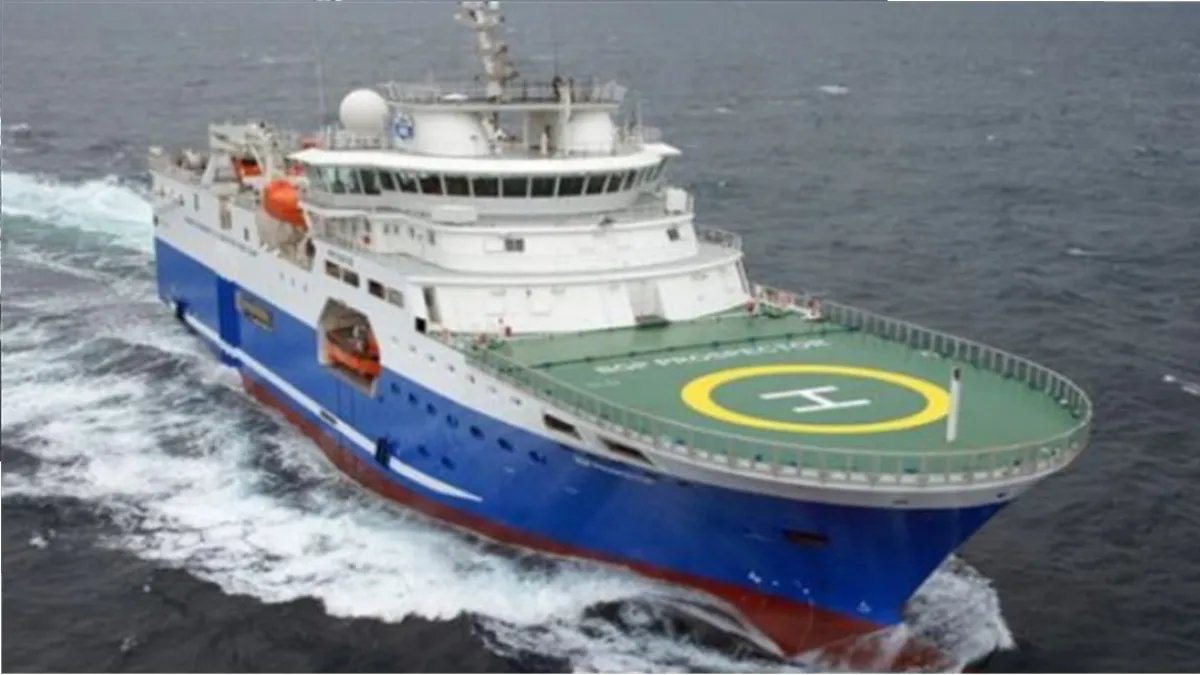
Although it was carried out with authorization, the works generated opposition and controversysince various organizations together with researchers and even the National Human Rights Institution (Inddhh) promoted resources –which were rejected– to stop activities.
From the government, mainly the Ministry of Environment, they defended that the activities were done under supervision and what was the first time that there were specific demands that forced activities to cease in the event of sightings.
In fact, according to reports sent by Viridien reviewed by The Observerbetween the February 28 and April 12 they registered 470 sightings and acoustic detectionsof which 213 required some action.
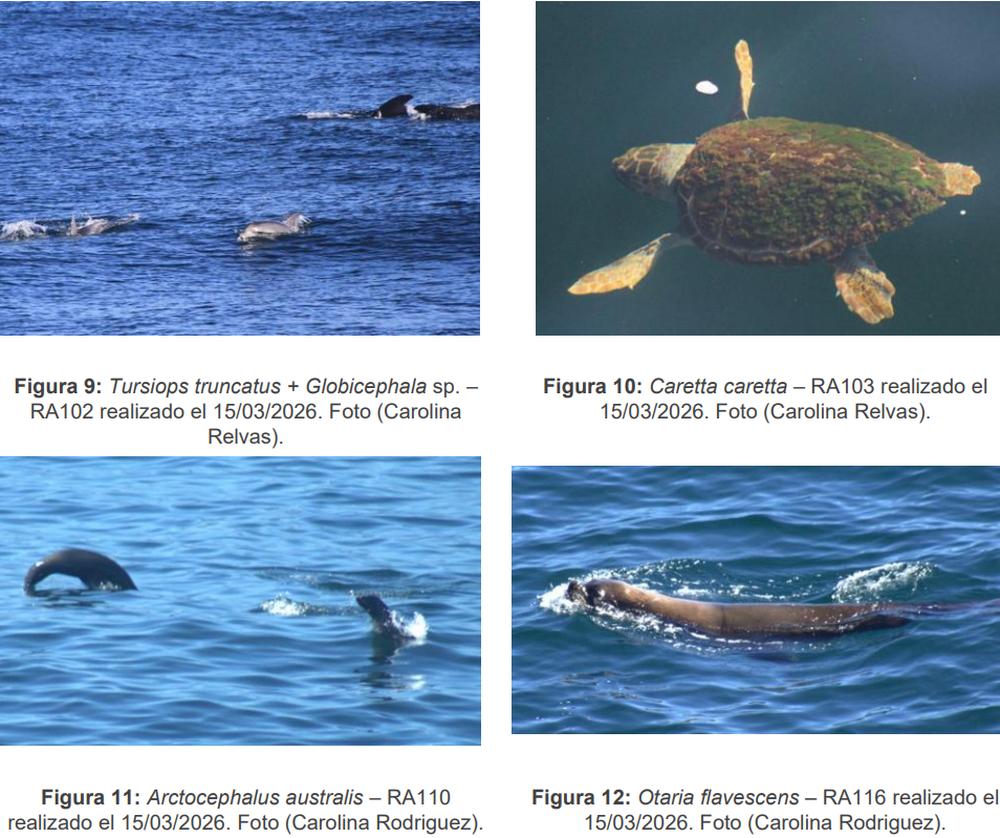
They were observed right and humpback whales, dolphins, killer whales, sperm whales, sea lions, sharks and sea turtles.
In the first fortnight, 119 visual sightings and 19 acoustic detections of species targeted for mitigation. Of these, 45 records (27 visual and 18 acoustic) required the application of “some mitigation measure”, such as turning off the sound source or delaying the gradual increase of the sound.
Was 79 cetacean records, 19 of pinnipeds and 21 sea turtles. On March 5, 6, 11 and 13, whale carcasses although due to its advanced state of decomposition, it was considered that death occurred prior to deployment.
In the second fortnight, they were 151 visual sightings and 66 acoustic detections of species targeted for mitigation. Of these, 115 records required the application of some mitigation measure.
On March 25, part of a casing It’s cool, it’s cool during the recovery of sound sources for maintenance. “Due to the advanced state of decomposition of the registered carcass, the cause of death could not be determined”says the report.
Regarding identification, 100 records of cetaceans, 49 of pinnipeds and 2 of sea turtles.
“Generally speaking, most interactions occurred when the animals were on the surface in a floating condition.”. When approaching the equipment, they did not show any evasion (or detour) behavior, even impacting their bodies (or parts of them) against the ropes and cables,” he adds.
According to the report, in At no time was there “evidence of sharp injuries to the animals or presence of blood in the water as a result of said interactions.”
image
The document also details that some specimens of seabirds were found on board by the crew. To minimize the risks, some were relocated to boxes so they could rest and later be released. “All the releases were successful,” he says.
In the third fortnight there were 115 sighting records, of which 53 demanded action. In 19, the sources were requested to be turned off and in 34 there was a progressive start delay or test delay.
They registered 72 cetaceans, 40 pinnipeds and 3 sea turtles. On April 6, they found another carcass of It’s cool, it’s cool during the recovery of the sound sources (he was hooked to an accessory cable of the sources), but it was also not possible to determine the cause of death.
Onboard inspection
Shortly after the campaign began –from Thursday, March 12 to Saturday, March 14– a Environment team carried out an onboard inspection of the ship to “assess the degree of compliance with the mitigation measures and the implementation of the ship’s environmental management plan.”
There were four technicians in total who covered full 24-hour days during the three days (day and night hours).
“It was confirmed adequate implementation of marine fauna monitoring systemsthe presence of marine mammal observers was permanent during daylight hours, through the relay system between them. At the same time, it was possible to verify that the equipment (binoculars, cameras, species guides) was always available on the ship’s bridge,” states the report read by The Observer.
At the same time, it highlights that the passive acoustic monitoring (PAM) allowed the marine fauna detectionwhich determined in certain instances the postponement of the start of operations in compliance with the planned mitigation measures.
“It was confirmed proper application of the mitigation procedures required in the Prior Environmental Authorization“, says.
The document highlights that there was multiple mitigation eventsincluding the source shutdown due to the presence of marine mammals (turtles, sea lions and cetaceans), in the 1,000 m radius of the source, carrying out monitoring prior to restarting the operation, applying delays in previous monitoring and controlled restart of the operation.
“No deviations were detected with respect to the conditions established in the environmental authorization,” he emphasizes.
Finally, it points out that the seismic acquisition activities that have been carried out by the seismic vessel are “complying with the application of the mitigation measures and protocols that have been a condition for its authorization.”