The President of the Republic, José Raúl Mulinoannounced on the morning of this Thursday, April 30, that it will call for extraordinary sessions in the National Assembly on May 4 to discuss the Law of Economic Substancewith the aim of getting Panama off the gray list of the European Union and strengthening its foreign investment strategy.
For this reason, he indicated that he will send a note to the deputy president of the National Assembly, Jorge Herrera, to request the extraordinary sessions.
During his weekly conference held in the construction area of the new Children’s Hospital, Mulino indicated that he has already begun approaches with different groups of the National Assembly and that he will continue next week with meetings with the Panameñista Party and Democratic Change.
As he explained, the process seeks to provide the “necessary teaching” on a regulation that he described as highly technical, in order to achieve an informed discussion.
“It is a very technical law, I would say even harshly technical, so that a high-level discussion can be achieved on a topic that is not a whim, it is a necessity of the country,” held.
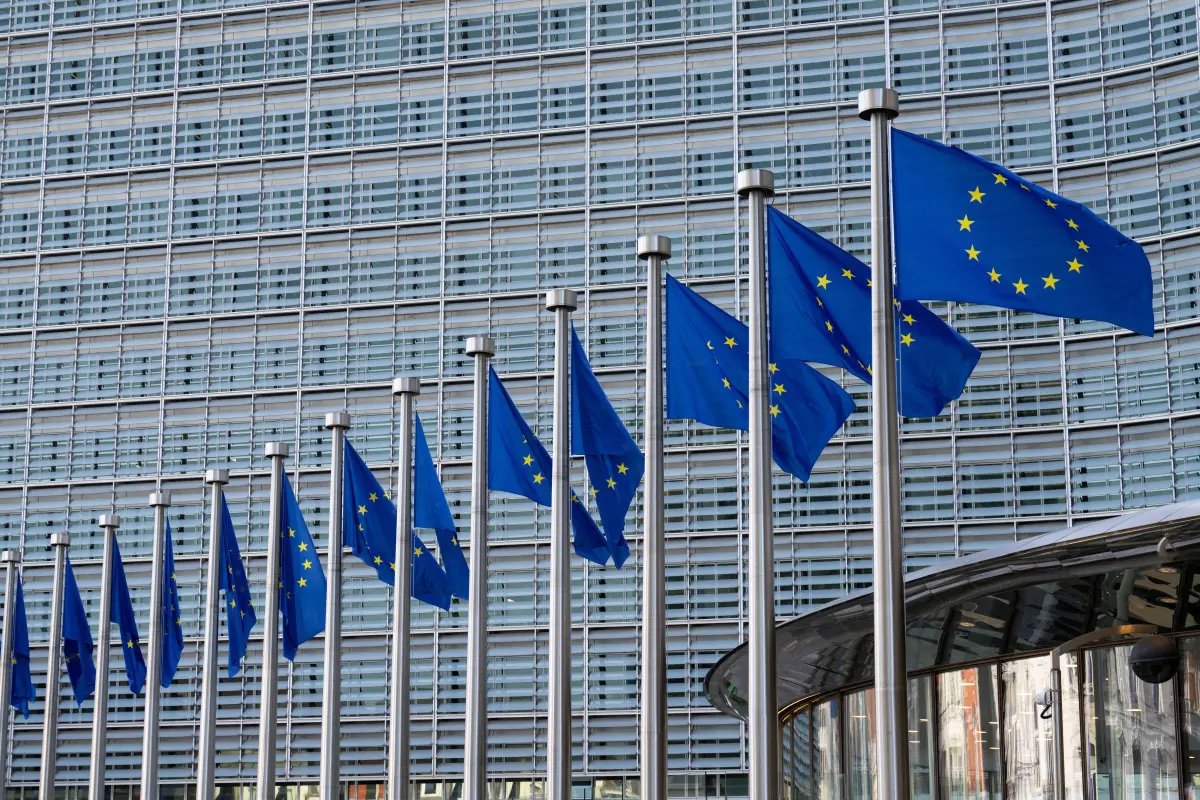
Mulino stressed that the approval of this law is essential for Panama to leave the last pending list in the European Uniona goal that he hopes to achieve in October.
The president warned that remaining on that list represents an obstacle to the arrival of foreign investment, especially from the European market.
“It would allow Panama to advance the entire foreign investment strategy in Europe, which has a hurdle for not having this law yet”he stated.
The president also indicated that this will be the only topic to be discussed during the month in political conversations, while the Ministry of Economy and Finance (MEF) will initiate technical meetings to explain the project, answer concerns and collect observations.
The economic substance law seeks to align the Panamanian tax system with international standards promoted by organizations such as the Organization for Economic Cooperation and Development and the European Union.
The regulations aim to ensure that multinational companies with operations in Panama demonstrate real economic activity in the country – such as personnel, offices and decision making – to prevent them from being used solely as structures to receive passive income without taxation.
The approval of this legislation is considered key to improving the country’s financial reputation and consolidating its position as an attractive destination for international investments.