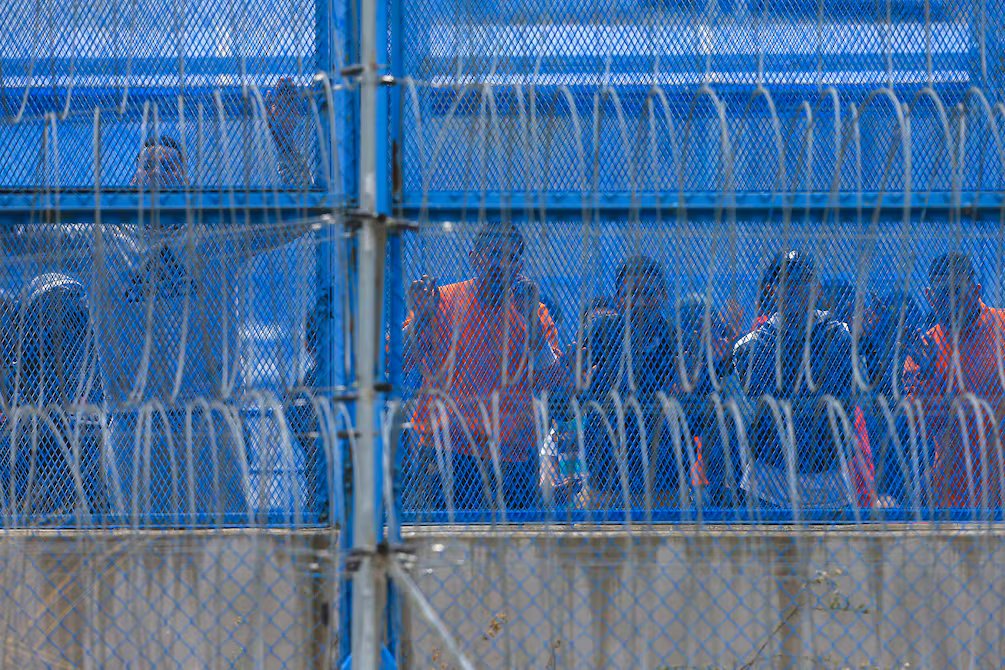
For decades, one of the national aspirations has been to put order in the prison system and achieve the true rehabilitation of thousands of prisoners who remain overcrowded and involved in bloody internal disputes with other gangs over internal and external territorial struggles.
In previous years, the country watched raptly as prison rallies led by foreign inmates, usually accused of drug trafficking activities, turned into pitched battles in which success was counted with beheadings. There was even the opprobrious image of some prisoners playing soccer with the head of one of their rivals, in the middle of the prison yard.
That is why we are optimistic about the recent regulation for prisons issued by decree by the current Government and that, in addition to strict control of visits, which will be previously outlined, and communications (some crime leaders even had satellite phones inside), it provides for monthly updating of the registry of work activities, which will include information on the people deprived of liberty who participate in work activities, as well as the details of the hours completed and the monitoring of these activities. The same regulation establishes that work is part of the social rehabilitation process that the detainee requires and that its development will be subject to the planning and conditions of each penitentiary center.
It is estimated that Ecuador’s prison population reaches 37,000 people and that the current conditions of the prisons are not enough to provide them all with adequate rehabilitation. Two new buildings, one already in operation and another in planning, could provide space for 16,000 more people in that system.
Only four people and a fixed list: the new rules that must be followed to visit a detainee
If it is carried out, and it should be done rigorously, it would finally achieve something that is not new, that has been tried rarely here, but that works exemplarily in other parts of the world: that the prisoner finds legal means of support and is not alone waiting for an opportunity to escape or leave after serving his sentence, to commit a crime again. (EITHER)