In recent weeks the regime’s ax has struck both people accused of collaborating with Israel and the United States and opposition figures and minorities
The head of Iranian Justice Mohsen Ejei could not be clearer: spies and traitors will be judged under martial lawadopting measures justified by the war phase. And here they are large raids alternating with the actions of the executionera preventive yet brutal message towards dissent or those who have chosen to collaborate with the US-Israel axis.
The last sentence led to the gallows Mehdi Farid, a member of the National Atomic Agency. Arrested in 2023, he was sentenced to ten years in prison but then they decided to kill him. According to the judiciary he cooperated with the Mossad Israeli by providing information and infecting the digital system.
These are the most common accusations leveled against men and women who ended up in prison both before the conflict and in subsequent periods. On April 20, however, they were carried out two capital punishments against a couple of People’s Mujahideen, members of one of the internal opposition groups. Previously, between August and October, they had been executed a nuclear technician and scientistbelieved to have colluded with the enemy.
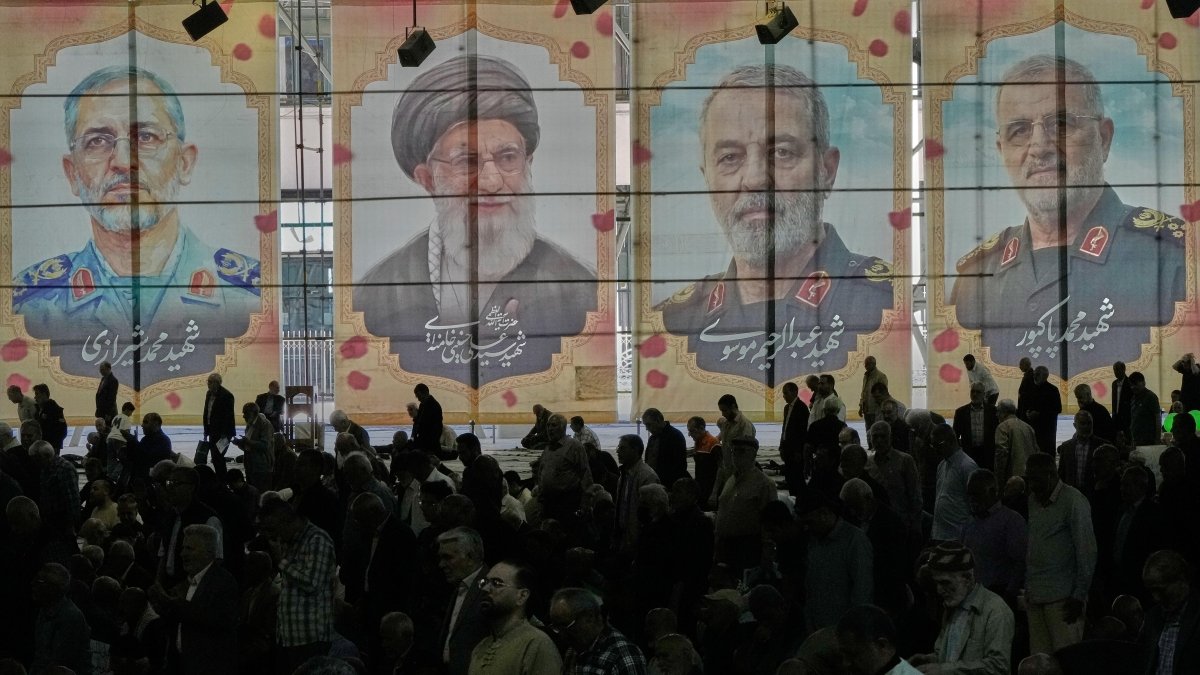
The executions against this “category” of defendants are a response to infiltrations by opposing intelligence. In the June crisis and during «Epic Fury» Israeli-American espionage, sometimes acting in pairs, managed to penetrate the highest level of the regime. The serial elimination of scientists involved in research projects, the traumatic end of many generals and above all the beheading of the leaders of the Islamic Republic represented a hard but not definitive blow. And, for this reason, the security apparatus reacted vehemently by hunting down infiltrators, looking for accomplices of the Jewish State, increasing the clampdown on strategic objectives.
The determination, underlined by public announcements, does not just represent an obvious countermeasure. Indeed, it must serve to quell any internal controversies or criticisms: in the past, targeted killings, for example the one that cost the life of number one of the nuclear program Mohsen Fakhrizadehhad sparked controversy. Some exponents had denounced the shortcomings in the protection of personalities and the ease with which the Mossad had placed its pawns in sensitive sectors. Findings accentuated by an interweaving of versions/speculations on some of these episodes, sometimes uncontrollable rumors that ended up fueling the adversary’s propaganda.
The second front opened by the authorities concerned the vast opposition, a “cartel” under which unorganized demonstrators and those who were part of movements ended up. Courts have tried people who participated in last winter’s popular protestsdemonstrators branded as vandals, accused of attacking the police, official offices, political targets. Intense campaign against minorities, from Kurds to Arabssuspected of being the fifth column of the Mossad and the CIA but also of some Gulf services.
The agency on Saturday morning Fars he announced the dismantling of a network in the provinces of Kurdistan and Kermanshah, with the capture of over 250 “counter-revolutionaries”. According to unofficial sources, they were ready to take action with the support of the United States and the “Zionists”. The operation is linked to similar interventions conducted in the oil region of Khuzestan where Arab separatists operate: the Pasdaran are said to have blocked one of the leaders.
The “squeeze” on the country responds to different needs. It serves as a warning. He punishes those who rebelled. It takes away oxygen from those who think they can still rise. And this happens in an Iran under siege, which tries to dictate conditions but must avoid other negative consequences while its leaders have uneven views. At that time repression becomes an indispensable tool to strengthen the armor and prevent cracks.