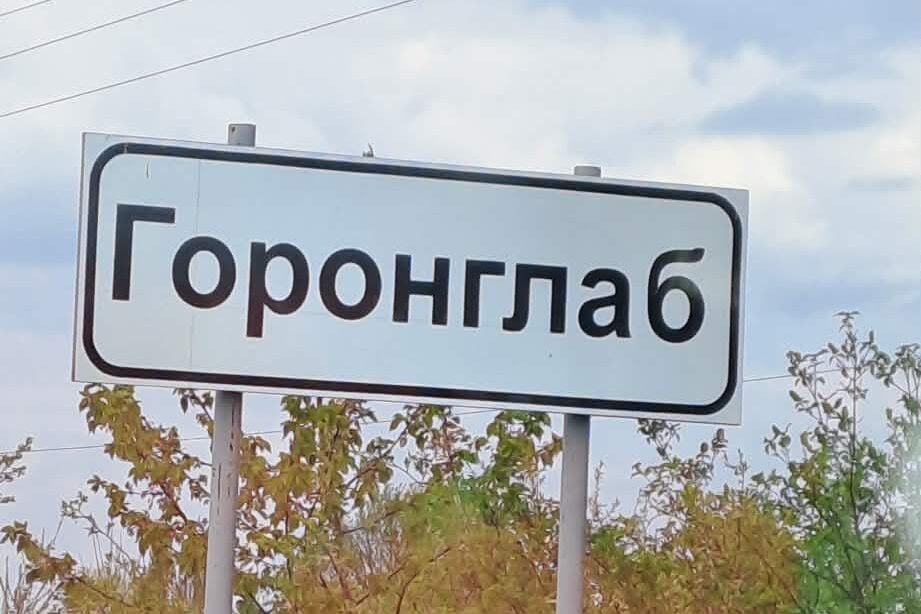

In two villages in Transcarpathia (western Ukraine) with predominantly Hungarian populations, another step has been taken that clearly illustrates Ukraine’s stance on the issue of minority rights. In Bótrágy (Batrad) and Harangláb (Horonhlab), the bilingual place-name signs have been removed, so that the names of the villages can now only be read in Ukrainian using the Cyrillic alphabet, Mandiner reported.
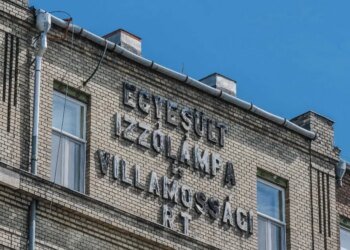
This latest incident cannot be viewed as an isolated occurrence. In recent years, there have been numerous incidents that have had a detrimental effect on the Hungarian community in Transcarpathia. The removal of Hungarian-language place-name signs has occurred before, which now increasingly gives the impression of a systematic phenomenon. The irony of the matter is that place names in the official language exist only if they have been translated in some way; the vast majority of toponyms in the region are Hungarian.
The range of problems extends far beyond the issue of signage.
In recent years, numerous incidents have come to light, ranging from discriminatory language laws to the removal of monuments and the dismissal of institute directors, all the way to tragedies related to forced conscription. Taken together, these paint a picture that is difficult to reconcile with European expectations regarding the protection of minorities.
The language issue is considered a particularly sensitive topic. As a result of the 2019 Language Law, the use of the Ukrainian language became mandatory in nearly all areas of public life, while opportunities for minority languages were gradually restricted.
Hungarian communities interpret this process as an erosion of their existing language rights.
In the meantime, measures have also been taken, such as the removal of Hungarian flags from public institutions or the removal of Hungarian signage from various buildings. Based on local reports, inspections were also conducted to ensure that these were not reinstalled.
The examples of Bótrágy and Harangláb show that the suppression of linguistic presence remains the order of the day. All of this is particularly interesting given that Ukraine is on the path to European integration, where respect for minority rights is considered a fundamental principle.

Via Mandiner; Featured photo: Facebook/Váradi Barna