Of Francesco Citterich
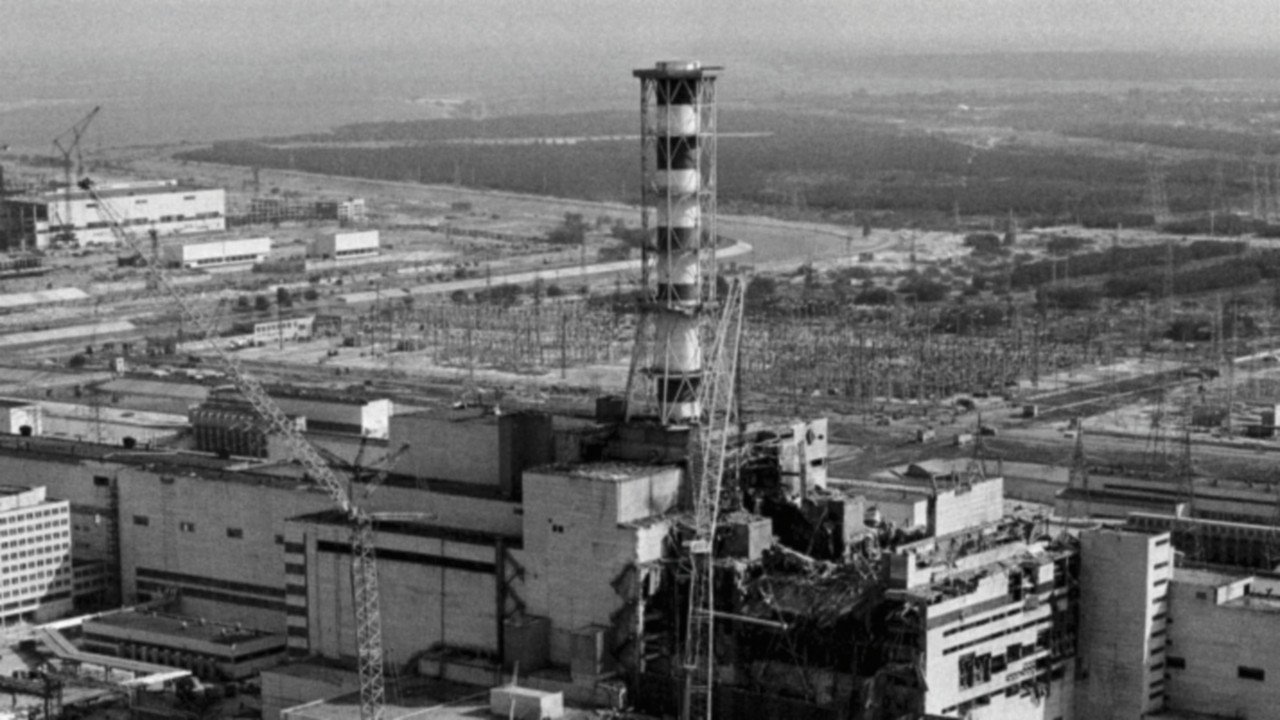
Forty years ago, on April 26, 1986, at 1:23 in the morning, reactor number 4 of the Chernobyl nuclear power plant, now in northern Ukraine, but at the time part of the Soviet Union, exploded during a safety test conducted in extremely unstable conditions and aimed at definitive approval of the plant. It was not a single cause, but a tragic combination of human errors, design flaws of the Rbmk reactor and violations of operational protocols.
The explosion – which began a chain of circumstances destined to change forever the relationship between man, technology and nuclear risk – released an enormous quantity of radioactive material into the atmosphere, causing a global catastrophe in just a few hours, the most serious accident in the history of nuclear energy and the only one, together with that of Fukushima (Japan, March 2011) to be classified at the seventh level, the maximum, of the Ines scale of nuclear accidents.
The explosions were not of the nuclear type (it was not an uncontrolled chain reaction of nuclear fission as in atomic bombs) but were thermochemical: the overheating of the core, due to the sudden loss of control over the nuclear reaction, led to the reaching of a very high temperature which caused the vapor pressure of the cooling system to reach an explosive level.
The explosion and subsequent fire at the core made immediate containment impossible, and the consequences quickly spread beyond the confines of the facility. The first hours were marked by confusion and underestimation of the risk. Many operators did not immediately understand the gravity of the event, while the structure of the reactor itself contributed to making the event more unpredictable and difficult to contain. The core fire continued for days, spreading radioactive isotopes across large parts of Europe. Over the years, it will be calculated that the contamination caused by the accident was two hundred times more serious than the atomic bombs dropped on Hiroshima and Nagasaki (August 1945). As regards the number of deaths and people affected by diseases, there is no single and universally accepted figure. The estimates vary significantly depending on the sources and criteria adopted. However, the one considered most reliable indicates that, in the twenty years following 26 April 1986, the overall victims would be around 600,000. At the same time, the number of people exposed to radiation is far higher, exceeding 6.5 million. The health consequences, however, did not manifest themselves immediately and uniformly: in many cases they emerged only after years, making a precise assessment of the overall impact complex.
In the following days, the Soviet authorities launched complex containment and evacuation operations. In particular, the city of Pripyat, built in the 1970s to house the plant’s workers and their families, was evacuated in a few hours, while a vast exclusion zone was established around the site, destined to remain inaccessible for decades and marking a deep and lasting fracture in the relationship between society and nuclear technology.
The most serious repercussions were concentrated above all among workers involved in emergency and clean-up operations, exposed to particularly high doses of radiation. This was accompanied by a marked increase in cases of thyroid cancer, found especially among children and adolescents of the time and localized in specific geographical areas.
On a political and technological level, the Chernobyl disaster had a profound impact on global energy strategies. In Europe it has accelerated the review of safety protocols and, in some countries, has contributed to the progressive exit from nuclear power. In other contexts, however, it has led to a strengthening of engineering standards and greater transparency in plant management.
Today, the outcome of Chernobyl can no longer be reduced to a single image of destruction, nor to a purely catastrophic interpretation. Rather, it is the complex result of the intertwining of human error, the structural limits of the technology of the time and the institutional management of the emergency. This dramatic story continues to be studied not only as a tragedy, but also as a turning point in the understanding of modern technological risk and its long-term effects on society and the environment. Forty years later, Chernobyl cannot, therefore, be considered only an event of the past – a wound in history -, but also a lens through which to observe the relationship between technology and risk. The incident highlighted the fragility of complex systems when they are not accompanied by adequate controls, transparency and responsibility in management.
His legacy, a fundamental point of reference for understanding the risks associated with nuclear technology, which is still reflected today not only in scientific studies and energy security policies, goes beyond the memory of the catastrophe and continues to influence contemporary science, politics and culture. Remember how complex systems, if not understood and managed with rigor, can generate lasting consequences, and how knowledge of such events is essential to face the challenges of the present and future.