The agenda, which was based on a heartfelt letter from teachers asking for measures to curb the hatred fomented instrumentally online, was rejected.
The reference was to the campaign unleashed against the reception of Palestinian refugees by a person who “is not a journalist and carries out hate and fake news operations”
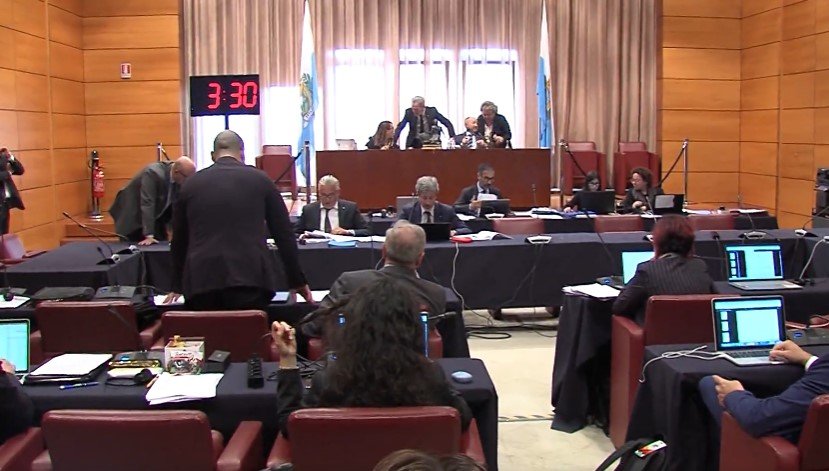
From San Marino information (by Antonio Fabbri) – In the Great and General Council, yet another opportunity to give a clear and shared response to an alarm raised by the world of schools and the Information Authority has turned into an exercise in postponements, distinctions and political tactics. At the center of the debate was an agenda from Repubblica Futura which included an open letter from some San Marino middle school teachers, concerned about the growing spread of misinformation and hate speech which, outside the classrooms, undermines the educational work carried out on a daily basis.
A simple and direct cry of alarm: the social climate, especially online, is eroding the educational terrain and fueling increasingly aggressive polarizations. A specific request to politicians: take action with regulatory and institutional tools to combat the phenomenon.
Yet, faced with this appeal, the majority chose a regrettable approach. The government has in fact argued that the regulatory framework is already “adequate”, limiting itself to promising generic future monitoring and postponing any concrete intervention to an indefinite period. A position that effectively paved the way for the rejection of the agenda, officially motivated by issues of timing and technical expediency.
A justification which, however, in the debate, showed all the political fragility of the majority: on the one hand the declared willingness to “monitor”, on the other the inability to translate into concrete actions a request that came not only from the opposition, but above all from teachers and students.
The result was a substantial escape of the majority, except for a single voice out of the chorus, from responsibilities, also through “association”, it has been said, with those who are accused of misinforming.
The paradox forcefully emerged in the debate: on the one hand the seriousness of the phenomenon of hate speech and disinformation is recognised, on the other hand every attempt to start a clear path and with certain timescales to address it is blocked. Even when the request was not for an immediate law, but simply for a structured and shared political commitment.
The result was a vote against which rejected the agenda with 23 votes against 11 and 1 abstention, leaving the request from the school world unanswered. (…)