IN THE FRAMEWORK More than 28 million euros have been made available from the new subsidy program ‘Social initiatives transatlantic slavery history for Suriname (2026-2030)’. That money will go to organizations and natural persons who will carry out a project as part of this recovery program.
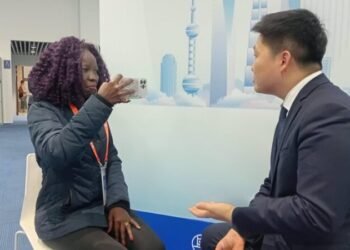
This week the Dutch embassy in Suriname held an information meeting in this context. Various organizations interested in carrying out projects were present and asked critical questions about the scheme. In addition, it seemed as if it D66 Member of Parliament Mpanzu Bamengawho had asked critical questions about this arrangement, was proven right.
The Netherlands is building on this successful divide-and-rule strategy
The organization that will assess whether a project is good enough to receive a subsidy is the Netherlands Enterprise Agency (RVO). The name says what the image showed in the live session. This concerns a group of very expert ‘white people’ who will apply Dutch rules and legal frameworks to the applications that will come from Suriname.
It even seemed a bit hastily organized, because two schemes that can receive financing from this fund are already running. So Suriname is informed in passing that the scheme is available and where applications must be submitted. There is therefore no shared insight into how the process can best run; it has been determined and Suriname has to make do with that.
And while the development level of a large part of the target group, descendants of enslaved people, lags behind Dutch people in the Netherlands and the Caribbean Netherlands and the terminology often differs, all organizations must complete a form that is described as accessible. And it has to be fair, so RVO does not provide a local partner to provide assistance with applications.
That turned out to be mainly an annoyance. RVO-Netherlands therefore does not understand that equality is not always synonymous with fairness. The concerns of those present were listened to and responded to in a friendly manner, but in the end no resolution was reached. Only one: “There may be changes if there are real problems with the coming subsidy rounds.” The equivalent of the Surinamese: “we will take it with us”.
Although it is tempting not to take matters into your own hands, it must be honestly admitted that Suriname has relinquished control over this file. The special envoy appointed by The Hague to work on the history of slavery has come to Suriname exactly seven times. The intention was that Suriname would set up a platform with relevant organizations, led by former minister Silvano Tjong-Ahin.
The platform was not created because Surinamese organizations of descendants from Africa cannot get along with each other. So the Netherlands has taken over control again and now the program is being rolled out entirely according to Dutch insights. Suriname has been divided into groups since slavery and the Netherlands is building on this successful divide-and-rule strategy. Some things will continue to repeat themselves until the lesson is learned. How long before African Surinamese realize this?