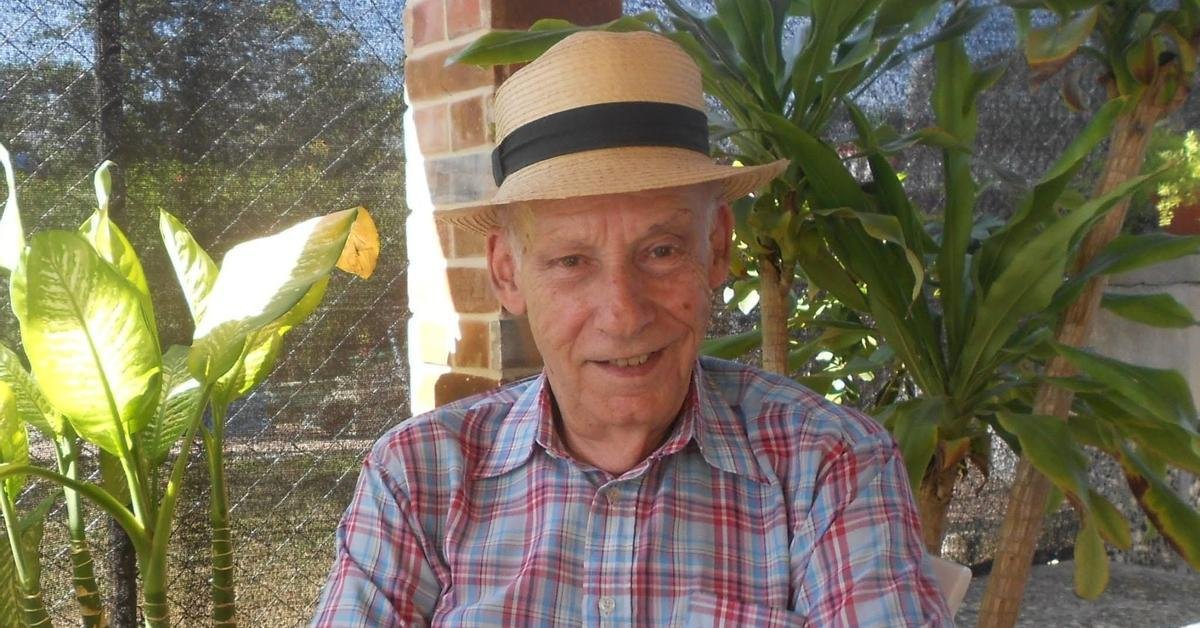
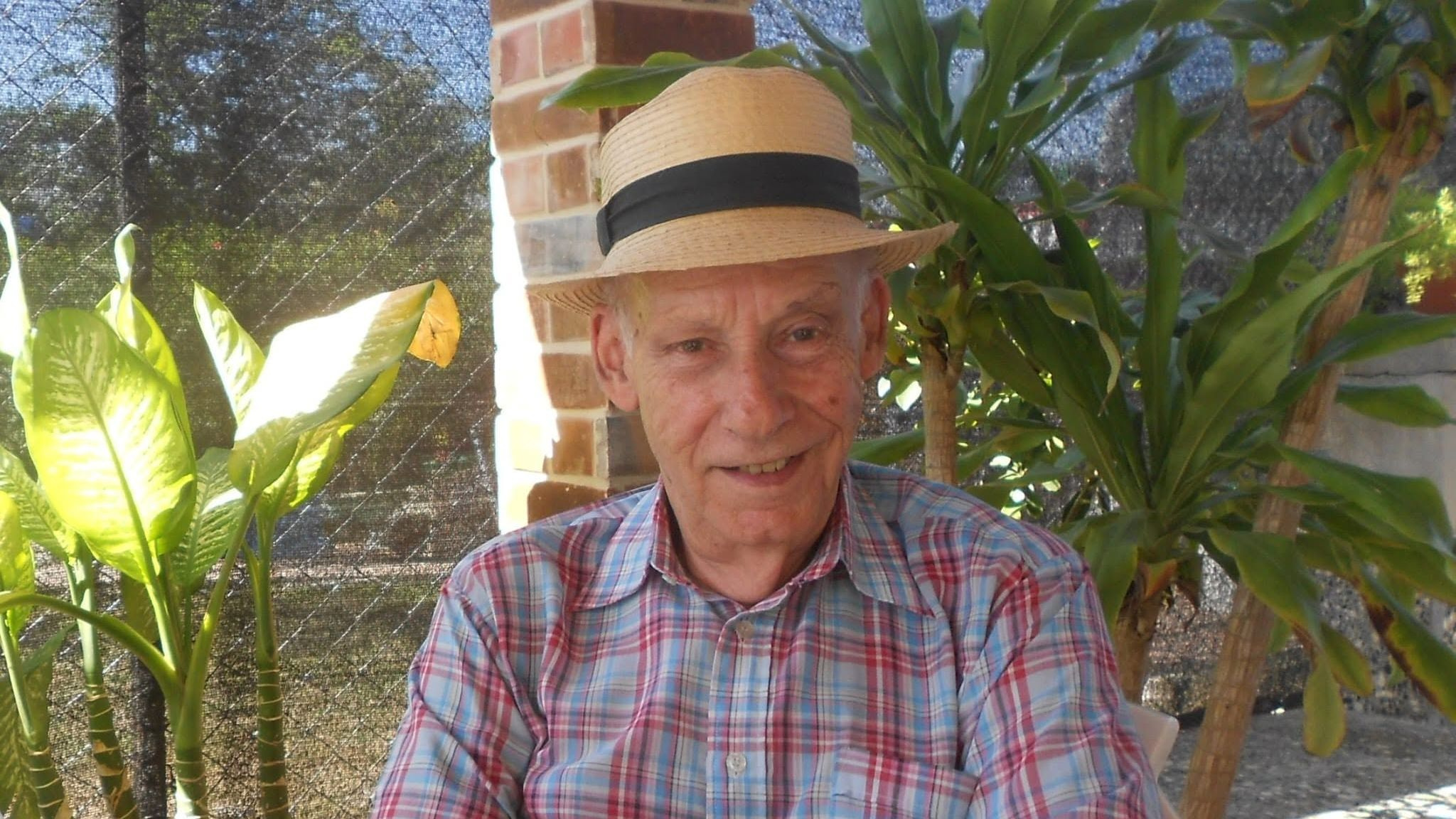
Madrid/Cuban actor Héctor Echemendía, one of the most recognized faces of national television dramas, died this Thursday in Belgium at the age of 87. The news was confirmed by his daughter Dannele Echemendía, who published an emotional farewell message on Facebook. The artist, with a career spanning more than six decades in theater, radio, film and television, had established his residence in that European country, along with his family.
“With deep pain, my brother, my family and I share the sad news of the death of our beloved father, Héctor Echemendía,” his daughter wrote in a publication in which he recalled the interpreter’s last years. “After our mother left in 2022, she found in us the support and love necessary to move forward,” he added. To date, the causes of his death have not been released.
Born on November 17, 1938 in Camagüey, Héctor Benito Echemendía Ruiz de Villa did not come to acting the usual way. Before becoming one of Cuba’s most popular performers, he trained as a radio operator and began working at the CMJA station in his hometown. His approach to theater occurred in 1960, when he joined an amateur group led by Miguel Ponce, which a year later became professional under the name Conjunto Dramático de Camagüey.
Echemendía was part of an advance group of actors who left the Camagüey Dramatic Ensemble because there “policies and bosses had been imposed on them that were contrary to their concept of theatrical art.”
From then on he developed an extensive career on stage. His move to Santiago de Cuba, in 1968, was marked by the political tensions that the Cuban theater was going through. As director Carlos Padrón Montoya recalled in an interview published in 2023 by the magazine TablesEchemendía was part of an advance group of actors who left the Camagüey Dramatic Ensemble because there “policies and bosses contrary to their concept of theatrical art had been imposed on them.” The group found shelter in the Eastern Dramatic Ensemble, which agreed to incorporate the Camagüeyan artists.
In 1984 he began working in the dramatic programming of Radio Cadena Agramonte, where he participated in radio soap operas, radio plays and other spaces. However, it would be television that would end up making him a well-known figure in Cuban homes.
His interpretation of Andrés Iznaga in the adventure series Siblingsdirected by Eduardo Macías and broadcast at the end of the eighties, marked a before and after in his career. The character was forever associated with the cry of “Lorencito!”, which he launched in one of the most memorable scenes of that production.
“The character of Andrés Iznaga was my first foray into TV,” the actor himself recalled years later. That appearance opened the doors to extensive participation in national dramas.
In Belgium, accompanied by his children and grandchildren, he found a calmer family life, although, according to his daughter’s testimony, he never stopped remembering the Island.
In 1992 he moved to Havana, where he consolidated his television career. He participated in productions such as When the water returns to the earth, Passion and prejudice, between screens, The orphans of the Work, rough land and If you could love me. Decades later, he still appeared on screen, as happened in the soap opera look again (2021), where he played Felito, an old man whose relationship with his daughters reflected some of the family conflicts associated with old age.
His time in cinema was also significant. He was part of the cast of The brigadier (1977), by Octavio Cortázar; The beauty of the Alhambra (1989), by Enrique Pineda Barnet; Kleines Tropicana (1997), by Daniel Díaz Torres, and Vertical love (1997), by Arturo Sotto. He also participated in international productions such as Ilona arrives with the rainby Colombian Sergio Cabrera, and Mambiby the brothers Santiago and Teodoro Ríos.
His last years were spent far from recording studios and Cuban stages. In Belgium, accompanied by his children and grandchildren, he found a calmer family life, although, according to his daughter’s testimony, he never stopped remembering the Island.
“Although he was far from his land, Cuba never stopped living in him. Camagüey, the city where he was born and began to dream of art, was always present in his heart,” wrote Dannele, who recalled the long family conversations in which his father recalled the filming, the tours and the colleagues with whom he had shared his career.
“He had a special gift for narrating each memory: he spoke with emotion, with humor and with immense affection for the people who marked his path,” he added.