TRAINING
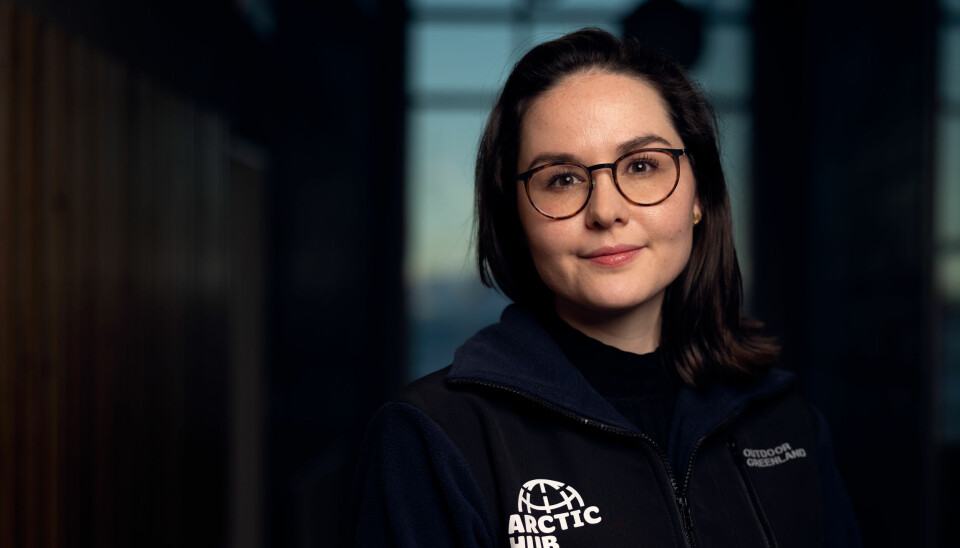
Research is largely about our everyday life and the challenges and opportunities we face as a society. That is why Arctic Hub secretariat manager Avijâja Rosing-Olsen is pleased that there is so much interest in the Paasisavut show from both the population and politicians.
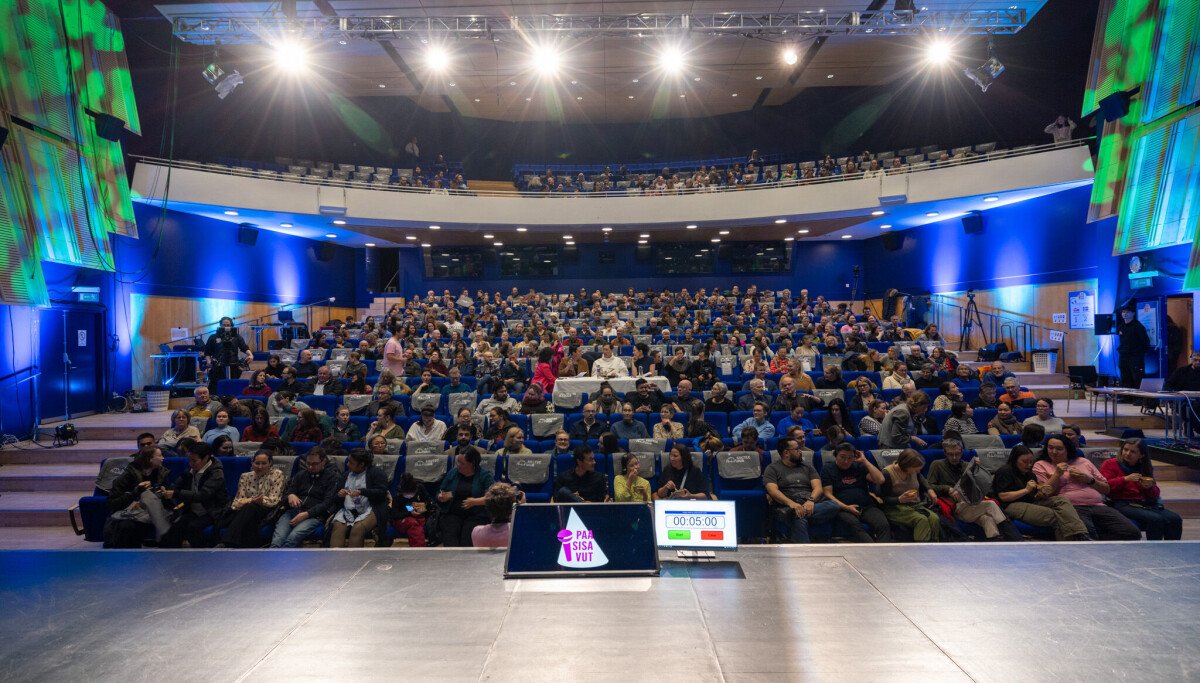
The 13th of November will be held the great research dissemination competition Paasisavut in Katuaq. Here, five young researchers must compete in communicating their research to the public.
There is already great interest in the event, says head of the Arctic Hub Secretariat, Avijâja Rosing-Olsen.
– We can really feel the great interest in Paasisavut. In just 11 days, more than every fourth place in Katuaq has been reserved. We are incredibly happy about that, and it shows that there is great curiosity to hear about the research that takes place here.
Interest from politicians
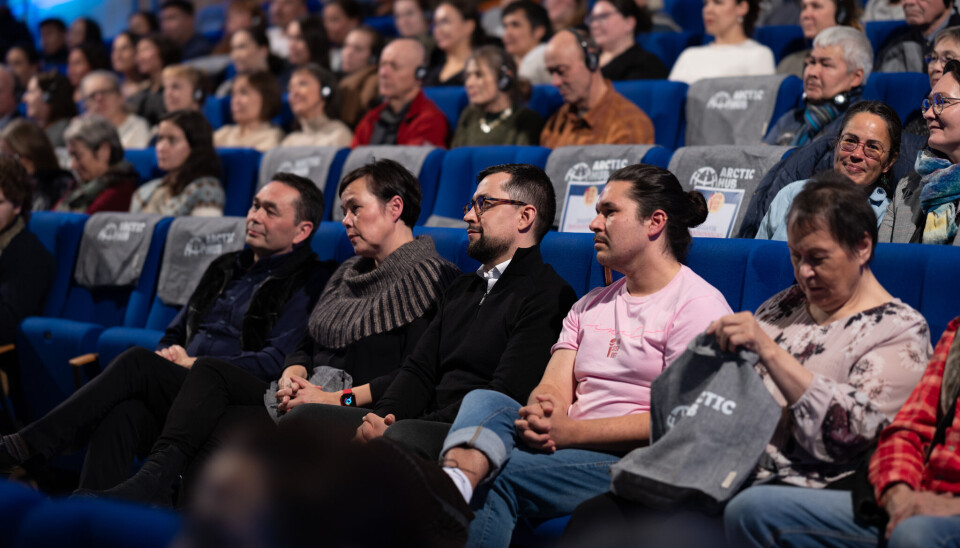
According to Avijâja Rosing-Olsen, there is also great interest from the political side.
– We are particularly pleased about that. For the Arctic Hub, it is important that research gets attention, both among citizens and people who are hungry. After all, research is largely about our everyday life and the challenges and opportunities we face as a society. With Paasisavut, we want to bring research closer to the population and show how new knowledge can help shape our future.
Five finalists and five important subjects
This is exactly what we want to show with Paasisavut: that research does not only belong at the universities, but is about our lives, our society and our future.
The five finalists for this year’s competition are ArnâraK’ Patricia BlochFrederik Braüner, Hans Peder Kirkegaard, Louise Pindstrup Scavenius and Viktor Gårdman, who each have minutes on stage to educate the audience about their research, which ranges from suicide prevention to architecture, geopolitics, school pupils’ learning and the role of mosquitoes in ecosystems.
– I am especially looking forward to experiencing how the five finalists manage to make their research alive and relevant to the audience. This year we have some incredibly exciting research fields, which are in their own way closely connected to our society and everyday life.
– Among other things, we will hear about young people’s well-being and suicide prevention, our children’s schooling, the homes we live in, Greenland’s role in a world with increasing international interest and something as recognizable and annoying as mosquitoes. It will be an evening where we discuss both serious and sensitive topics, but also topics that can surprise, arouse curiosity and give rise to a smile, says Avijâja Rosing-Olsen and adds that this is precisely what the Arctic Hub would like to show with Paasisavut:
– That research does not only belong at universities, but is about our lives, our society and our future.
New judging panel
In 2024, Professor Minik Rosing, actor and musician Nukâka Coster-Waldau and PhD, head of development Rosannguaq Rossen sat on the judging panel. This year, two new faces have entered in the form of actor and stage artist Ane Marie Ottosen and the winner from the competition in 2023 Nick Duelund.
– I think we have put together a really exciting panel of judges, because the three judges bring different experiences and perspectives on communication. Ane Marie Ottosen has a background in the performing arts and will especially have an eye for how the finalists use the stage and create contact with the audience. Nick Duelund knows the competition from the inside, as he himself won Paasisavut in 2023. He knows how much a good story and a clear common thread mean when you only have five minutes to convey your research. And Minik Rosing brings a great deal of scientific experience and many years of work in making complex research understandable to a wider audience, says Avijâja Rosing-Olsen and adds:
– The most important thing is that Paasisavut is not about who has done the best or most important research. It is about who is best at communicating their research, so that the audience is captivated, understands the message and goes home with new knowledge. It will be interesting to see who succeeds best in this.
This article is from the education newspaper, which can be read for free via the link here