The generation that made self-care part of their routine is expanding their reasons for taking supplements. It no longer seeks only to compensate for what is missing on the plate, but also to perform more, sleep better, take care of the skin and, ultimately, delay the signs of the passage of time as much as possible.
Motivation is not exclusively physical. According to the Impulse Data Intelligence Unit, in an analysis prepared for Vitaldin, 32.5% of the emotional motivations associated with supplement consumption are related to feeling invincible and not having to stop. Added to this is 26.8% who express fear of “aging poorly,” especially due to loss of beauty or mobility. Another 14.1% seek to reduce anxiety and feel in control.
The study also identified that digital interest in vitamin supplements in Lima increased 45.2% between 2022 and 2025, with an additional growth projection of 7% for 2026. “The consumer is going from looking only for vitamins to looking for solutions associated with specific needs in their daily lives. This is leading the category to move towards more specialized proposals, where the format, composition and information available about each product also become important,” says Sebastián. Cordovez, CEO of Vitador, representative of Vitaldin.

Interest in vitamin supplements in Lima grew 45.2% between 2022 and 2025, according to a study by Impulso para Vitaldin.
If it comes to putting numbers on fatigue, the main rational motivations identified by the Impulse for Vitaldin study are quite revealing. 28.4% seek to increase their daily energy; 24.1%, strengthen their defenses; and 18.5%, improve physical appearance, mainly hair, skin and nails. Added to this is 14.2% interested in supplementing a diet that they consider insufficient due to lack of time, while 9.3% seek to improve rest or combat insomnia.
Concern about sleeping also has an explanation in daily habits. The workdays are extended, the screens accompany us even before we close our eyes, and rest ends up competing with the hours dedicated to social networks. In that scenario, Sleep-oriented supplements have gained visibility.
“Millennials consume vitamins to have energy, sleep well and feel relaxed,” summarizes Cordovez. The company also identifies an interest in products such as melatonin and other formulas associated with rest. In addition, he adds that the average expense, per purchase, is between S/ 55 to S/ 60.

Interest in vitamin supplements in Lima grew 45.2% between 2022 and 2025, according to a study by Impulso para Vitaldin.
However, the pursuit of wellness does not necessarily equate to a medical need. Claudia Ontaneda, director of the Nutrition and Dietetics program at the Peruvian University of Applied Sciences (UPC), warns that supplements are no longer promoted only to prevent or correct nutritional deficiencies, but also to accompany physical activity, improve the perception of energy, promote rest and take care of appearance.
The specialist remembers that fatigue, sleeping difficulties or physical changes can have different causes. Therefore, supplementation should respond to an individual need and not replace a balanced diet, rest or physical activity.
There is another scenario in which this generation seems to have found a new reason to open its wallet: sports. Or, to be more precise, that version of the amateur athlete who signs up for a 10 kilometer race, shares his workouts on social media and ends Sunday with sore legs. The phenomenon of “low-performance, high-suffering athletes” also has its own consumer basket.
Proteins, creatine, electrolytes and sports gels are beginning to be part of the purchases of those seeking to improve their performance or simply recover after training. In this segment, supplements are no longer associated exclusively with bodybuilding and are approaching a broader audience.
Erasmo Wong Seoane, CEO of Flora & Fauna, observes precisely this change. “Creatine, which was traditionally associated with bodybuilding and high-intensity training, is reaching a broader audience interested in preserving their muscle mass and maintaining an active lifestyle,” he says.

Interest in vitamin supplements in Lima grew 45.2% between 2022 and 2025, according to a study by Impulso para Vitaldin. (Photo: Antonio Melgarejo/ Somos)
The trend is also beginning to be reflected in sales channels. In PedidosYa, orders for vitamins and dietary supplements doubled in the last year compared to the previous period, considering purchases made through supermarkets, pharmacies, stores and PedidosYa Market.
“In the last year, we identified that the growth in orders for vitamins and dietary supplements has doubled compared to the previous year throughout the application,” says Iván Maidana, director of Quick Commerce at PedidosYa.
Within this universe, consumers between 25 and 44 years old—a group that includes a good part of millennials—concentrate close to 60% of category sales on PedidosYa Market. “People between 25 and 44 years old concentrate about 60% of the sales in this category,” says Gonzalo Serván, director of PedidosYa Market.
What are they carrying? According to PedidosYa, among the products most requested by millennials are Redoxon Total, More Sleep melatonin gummies and Dyfferent chocolate protein bars. Together, these three products represent more than 20% of the orders for vitamins and supplements made by this segment, according to information from the platform.
The purchase, they explain, is beginning to be integrated into the supply routine: sports supplements, proteins and energy gels appear along with products such as bananas, eggs and high-protein yogurts. It is no longer just about solving a specific need, but about adding these products to the usual basket.

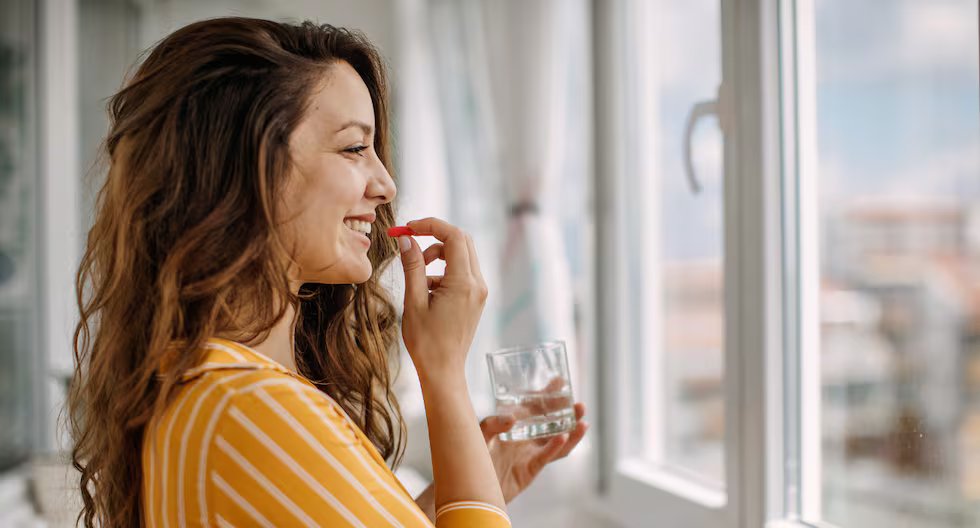
Interest in vitamin supplements in Lima grew 45.2% between 2022 and 2025, according to a study by Impulso para Vitaldin. (Photo: Pixabay)
The way we consume supplements is changing. If before the ritual included measuring the powder, filling the shaker and mixing it with water, now there are alternatives that fit in your bag or pocket. Gummies have become one of the presentations that seek to capitalize on this preference for practicality.
Cordovez, from Vitador, explains that gummies are gaining ground because they allow you to consume certain supplements without having to prepare a shake, look for water or carry a larger container. The company has incorporated options linked to energy, rest and sports nutrition, and plans to expand its portfolio in this last category.
Impulso’s analysis for Vitaldin found that 40% of the people considered in the study say they have a preference for this format. Additionally, searches related to gummies increased 58% between the first and second half of 2025-2026. Among those who choose them, 38% appreciate that they do not look like a medicine and 31% highlight that they do not need water to consume them.

Interest in vitamin supplements in Lima grew 45.2% between 2022 and 2025, according to a study by Impulso para Vitaldin.
This transformation also represents an opportunity for brands and sales channels. Vitaldin, which operates in the Peruvian market through Vitador, expects to grow between 20% and 25% during 2026 and projects an advance of around 30% for next year, driven by the entry of new products and the expansion of its sports portfolio. The company points out that it has already managed to incorporate between 28 and 30 products and hopes to add around 40 more.
From specialized retail, Wong points out that the natural medicine category is strategic for Flora & Fauna and that the company seeks for it to reach 20% of its sales. The commitment includes new presentations and products that integrate functional ingredients into everyday nutrition, such as drinks and preparations with protein, collagen, creatine or electrolytes.

In this search for new proposals, local ventures also appear. An example is Electrolytes, from Ecoland, recognized as Best Natural Medicine Product in the second edition of the Flora & Fauna Awards. The product relies on a natural formula aimed at hydration and mineral replacement without added sugars or artificial ingredients. | Photo: Flora & Fauna/ Reference.
The growth of this category also opens a discussion about the information that the consumer receives. Social networks have turned ingredients such as magnesium, creatine and ashwagandha into the protagonists of videos and recommendations that can trigger interest in certain products in a short time.
“It even happens to us that customers come to our stores, show us a TikTok video on their cell phone and ask us if we have the product they just saw,” says Wong. Although it recognizes that these platforms can spark interest in nutrition and well-being, it warns that information without scientific support also circulates and the benefits of some products are exaggerated.
Américo Farfán, president of the Nutritional Supplements, Natural, Dietary Products and Sweeteners Sector of the Health Guild of the Lima Chamber of Commerce (CCL), remembers that these products fulfill a complementary function and should not be confused with medications.

Interest in vitamin supplements in Lima grew 45.2% between 2022 and 2025, according to a study by Impulso para Vitaldin.
“Food supplements are intended to complement a healthy diet. They are not going to cure a disease,” he points out. The union representative also warns that the market faces problems of informality and barriers to entry for companies seeking to market their products in compliance with regulatory requirements.
From the nutritional field, Ontaneda, from the UPC, insists that the decision to incorporate these products must come from an identified need and not just a trend. “A supplement can be useful when there is a deficiency or a specific nutritional requirement, but not all products have the same scientific support nor can their benefits be generalized,” he concludes.