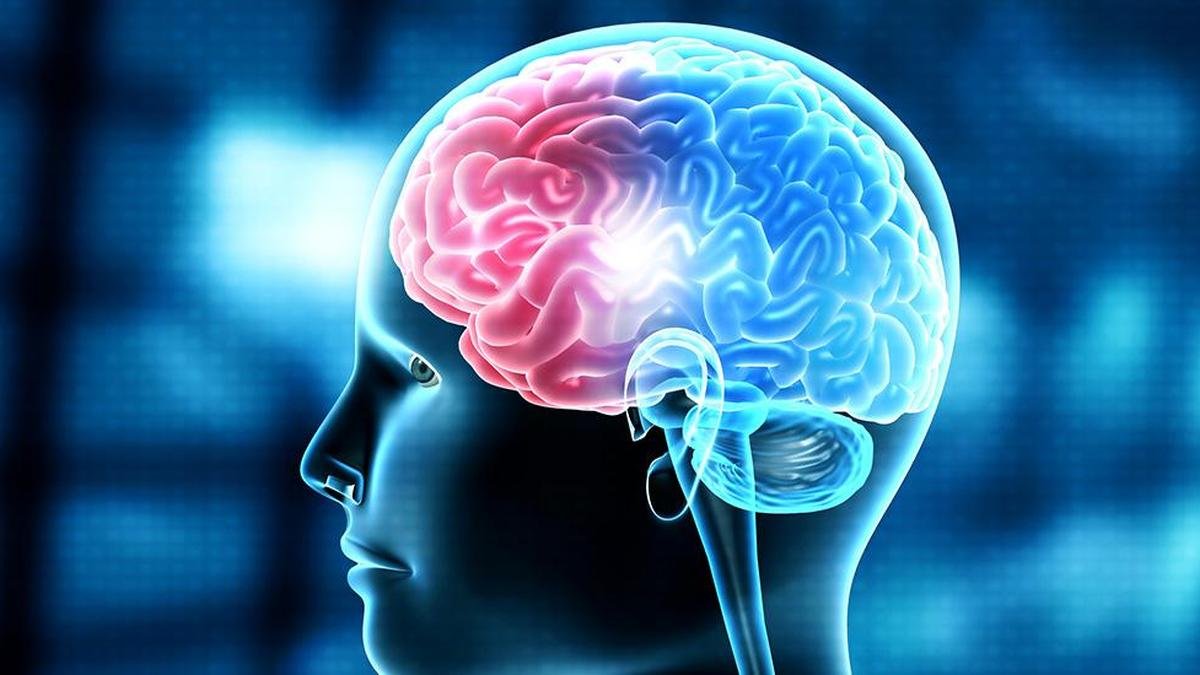

Acting fast is crucial when it comes to a stroke. Image used for representational purposes only
| Photo Credit: Getty Images/iStockphoto
Time is brain, when it comes to the treatment of strokes. But a stroke occurring during sleep may go unnoticed until a person wakes up with symptoms, leaving doctors without a clear timeline of its onset. This is where brain imaging helps doctors identify patients with wake-up strokes and assess the extent of injury to pave the way for prompt treatment. Neurologists underscore the need to seek medical care immediately to ensure timely treatment.
M. Radha, head of department and professor of neurology, Government Kilpauk Medical College (KMC) Hospital, Chennai, said that the prevalence of wake-up strokes is 20% – one in five ischaemic strokes is a wake-up stroke. “This means a person wakes up from his/her sleep with symptoms of stroke. The symptoms include facial drooping, difficulty speaking, sudden vision problems and weakness on one side of the body,” she said.
Published – October 28, 2026 07:40 pm IST