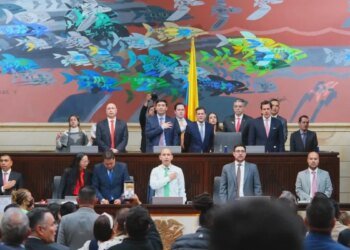
The Government presented to Congress a draft Economic Rescue Law that proposes cutting 50 percent of the costs of contracts for the provision of professional services and support for State management in 2027, reducing 20 percent of personnel expenses in 2028 and returning VAT to the lowest-income population. The adjustment would also affect the pockets of workers and companies through changes in health contributions and income tax.
As announced by the Government, the initiative combines a strong belt-tightening by the Executive with new burdens and tax relief. Indeed, While companies would have a general income rate of 33 percent in 2027 and 31 percent from 2028, workers with base contribution income greater than two minimum wages would contribute more to health. The individual VAT refund, called EfectIVA, would begin in January 2028, with percentages and limits depending on the economic situation of the beneficiary.
READ ALSO
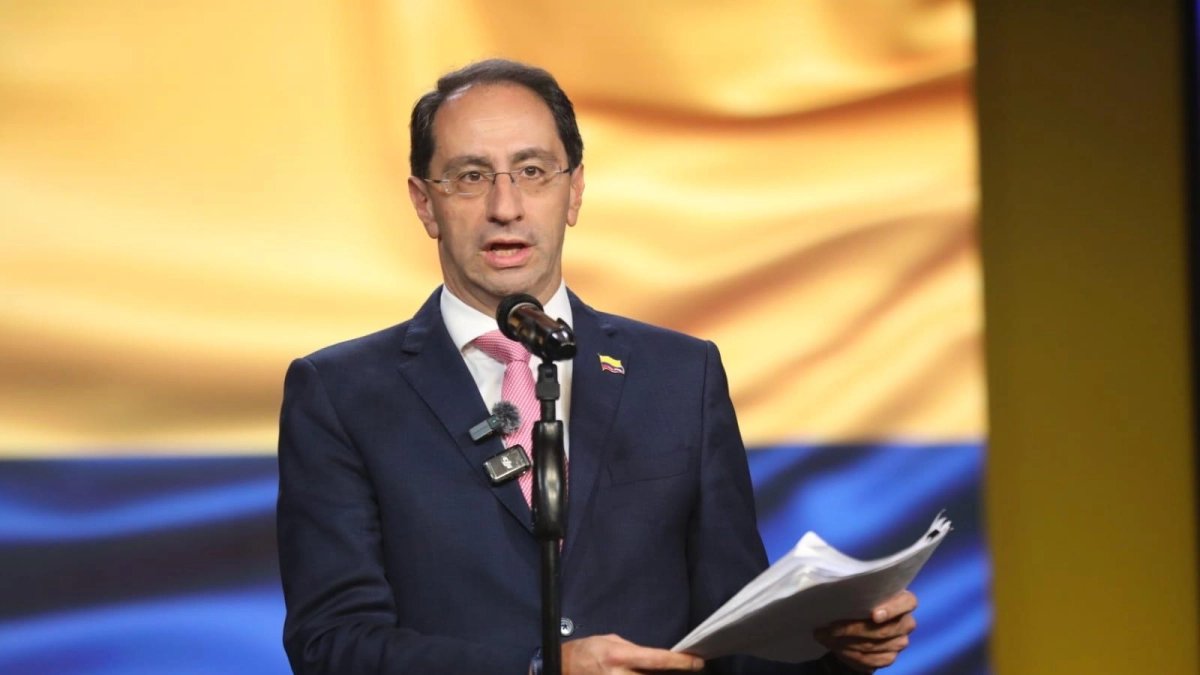
José Manuel Restrepo, vice president of Colombia, assured that the State would assume the greatest effort, since “seven out of every ten pesos of the fiscal adjustment proposed by the Economic Rescue Law makes them tighten their belts in the State.” The proposal must be studied and voted on by Congress, which may modify its scope, conditions and dates.
“We have to stop the increase in debt. That is a central objective of this bill,” said Miguel Gómez Martínez, Minister of Finance. To achieve this, The Executive proposes to organize public finances, protect the most vulnerable, finance health, stimulate investment and make a State less expensive and more efficient.
State squeeze
The reduction in personnel spending would exclude the Public Force and would fall on the total account, not on the salary of each official. Purchases of goods and services could only grow with inflation between 2027 and 2030.
The president would receive extraordinary powers for six months to reorganize ministries and entities, with technical studies and labor protections. Certain legal transfers could also be restricted without a favorable opinion from the Confis, respecting constitutional spending.
Seven out of every $10 of the fiscal adjustment proposed by the Rescue Law is provided by the State. Photo:iStock
There would be limits on travel and advertising and unnecessary assets for the entities would be sold. At least half of the net resources obtained by this mechanism during the next four terms would go to debt service.
VAT refund
EfectIVA would return 100 percent of the tax to people in extreme poverty, poverty and the lowest income segment of the vulnerable population. Other vulnerable groups would receive 50, 40 or 30 percent, depending on the targeting. It is estimated that there will be 19 million full refund beneficiaries and 16.3 million partial refund beneficiaries.
The limit would be up to 5.5 UVT per month per person. Electronic invoicing would allow the VAT paid to be identified and payments to deposit products would be made for periods of up to fifteen days; For those who do not have one, there would be monthly or bimonthly cash transfers.
From 2028, the 5 percent VAT rate provisions indicated in the project would also disappear. Treatments would be maintained without charge for expressly included essential foods, medicines, health, education, housing rent and certain public and transportation services.
READ ALSO

Changes in rent
To finance health, the Government announces 30 billion pesos over the four years. From 2027, employees would contribute 4 percent up to two minimum contribution base salaries; above two and up to four, 5.5 percent. Rates would rise in steps to 8 percent. For independents they would go from 12.5 to 15.5 percent, depending on their base.
The income reporting companies would retain the health, Sena and Icbf exemption for workers who earn up to two minimums. Between more than two and three would pay partial contributions and, above three, this exemption would not operate. There are exceptions for natural persons employers. Resources would also be transferred from compensation funds to health.
In personal income, the first collection would begin on a taxable base greater than 720 annual UVT, with a 9 percent rate on the surplus. Employment benefits and deductions would be limited and the additional deduction for dependents provided for in the repealed provision would be eliminated.
To finance health, the Government announces 30 billion pesos over the four years. Photo:Ministry of Health
From 8,670 UVT, the marginal rate would be 39 percent of the surplus, added to the tax from the previous ranges; not about all the income.
Companies and assets
In addition to lowering general income, the application of the minimum tax rate would be limited to certain entities of large multinational groups and the tax on single-use plastics for containers, packaging and packaging would be eliminated.
The financial sector and other entities would retain five additional income points until 2030, under the established conditions. For large new investments, the Ruge would offer 16 years of subject-specific stability, accelerated depreciation and dividend benefits.
Projects starting in 2027 or 2028 would have a 20 percent rent; from 2029, 26 percent, in exchange for investment commitments and national purchases.
Liquors would go from VAT from 5 to 19 percent; The tax on beer would change and taxes on cigarettes and vaping devices would increase. There would also be VAT for online betting, the exclusion of certain foreign purchases of up to $200 would be eliminated, and drinks with sweeteners would be taxed from 2028.
READ ALSO
In gasoline the VAT base would change; the ACPM would retain specific exclusions. The wealth tax would start from 95,500 UVT and would be limited to 2027-2030.
Smuggling and evasion
Vice President José Manuel Restrepo also announced “jail for smugglers and jail for tax evaders.” In the articles, the project establishes penalties of four to eight years for the smuggling behaviors described when the goods exceed twenty-five minimum wages, and nine to twelve years when they exceed one hundred minimum wages.
For certain obligations in arrears as of September 30, 2026, the project would allow payment of the full principal, interest of 5 percent annually and only 40 percent of the penalties and their updating. Facilities could be requested for up to twelve months, with a minimum initial payment of 10 percent and under the established conditions. The deadline to apply would expire on June 30, 2027.
Finally, new fiscal rules would be established: goals per government, an account to record non-compliance, and limits on spending growth from a net debt of 63 percent of GDP. If the budget exceeds those limits, cuts would have to be made.