Within the framework of diversifying agricultural production
The Directorate of Agricultural Services in Setif reported that the target area for growing dry legumes for the 2026-2027 season is estimated at 2,090 hectares, including 1,380 hectares of chickpeas, 587 hectares of lentils, 95 hectares of fava beans, and 28 hectares of jalbana, within the framework of diversifying agricultural production and expanding the areas allocated to these materials, for which demand is constantly increasing and is witnessing a significant increase in global markets.
During the 1980s and early 1990s, the state of Setif was a pioneer in cultivating these types of legumes, as it achieved very encouraging results that enabled it to some extent to achieve self-sufficiency, especially in chickpeas, which occupied an area estimated at 4,500 hectares across the regions of Bir el-Arach, Ouladja, and Ain Abbassa. However, for reasons related to the climatic aspect, the area allocated to dry legumes shrank by more than 60%.
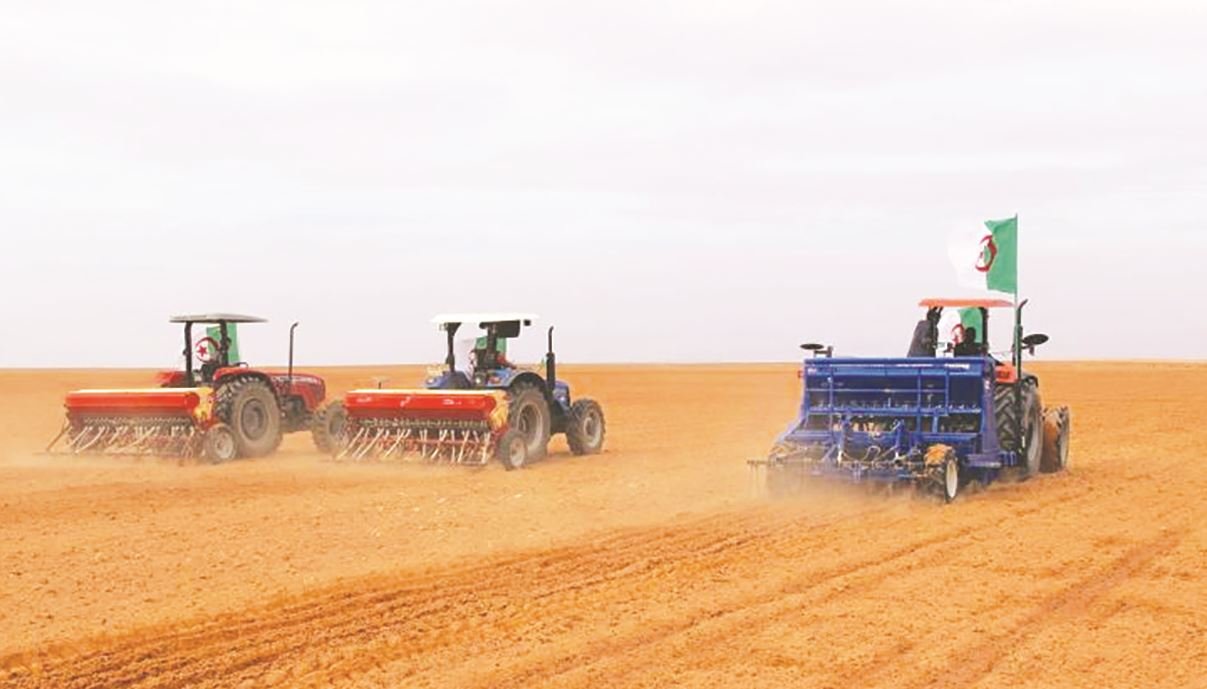
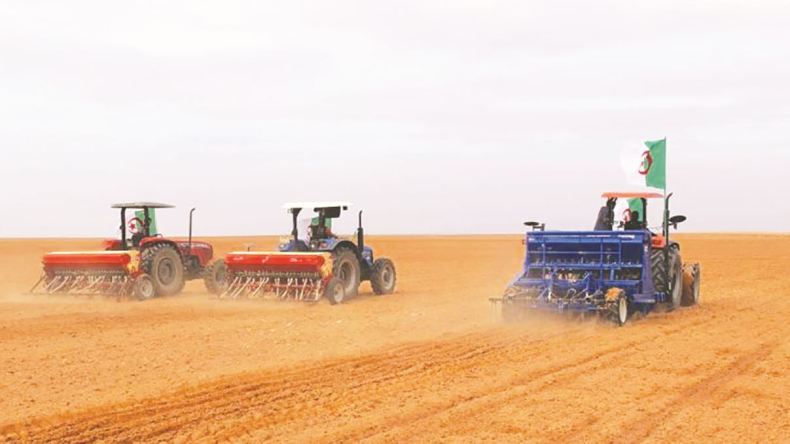
In a related context, the plowing and sowing campaign for the new agricultural season was launched earlier this week, targeting a programmed area estimated at 150,000 hectares, including 100,000 hectares of durum wheat, 15,000 hectares of soft wheat, and 31,000 hectares of barley, in addition to 3,000 hectares of hartal, which are crops that occupy the largest share of the program under control in the state. The area allocated for winter grains during the last season was estimated at 130,000 hectares, and very encouraging results were recorded. It exceeded two million hectares, due to significant rainfall.
With regard to providing the necessary means for the success of the campaign, the Directorate of Agricultural Services indicated the deployment of about 4,600 tractors and 10,000 units of various equipment, including seeding machines, plows and fertilization machines, with the aim of ensuring the good conduct of the process and its completion within the specified deadlines, while a number of measures were taken that would ensure the progress of the process through the establishment of a state committee charged with follow-up, in addition to a cell for the technical evaluation of the plowing and sowing process, which will enable overcoming the difficulties that may confront farmers. Producers, according to a comprehensive vision that takes into account the qualifications of the state of Setif as an ever-promising reservoir for the production of strategic grains, such as both types of wheat and barley, with which the region has often achieved, and over many years, encouraging results that have placed it in first place nationally in the production of these types of grains.