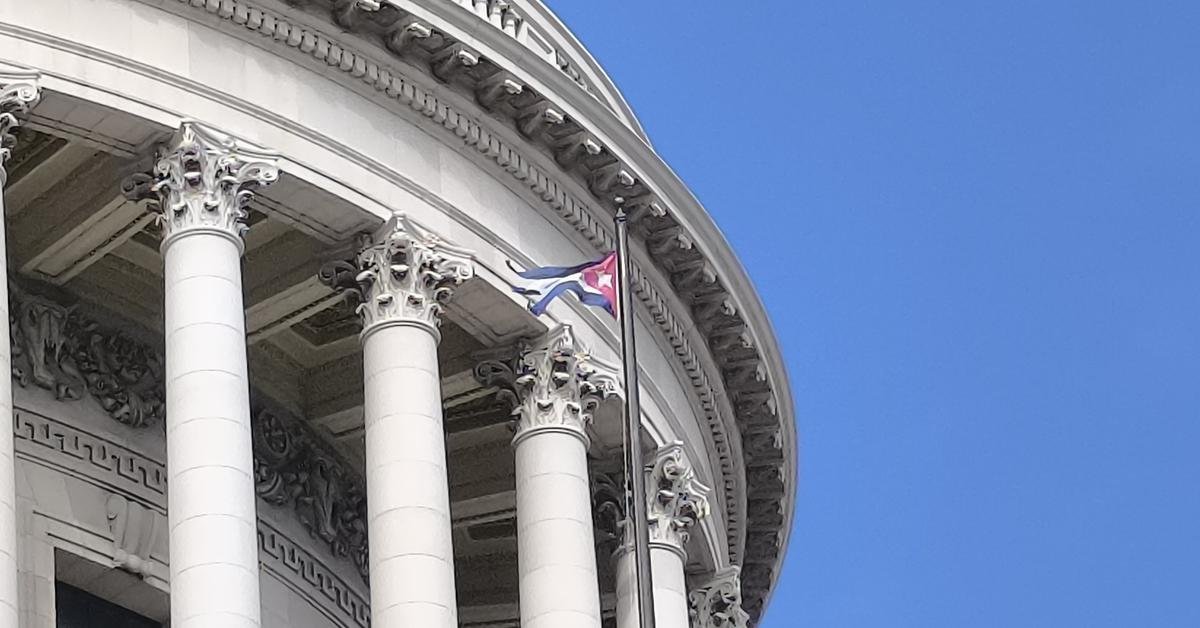
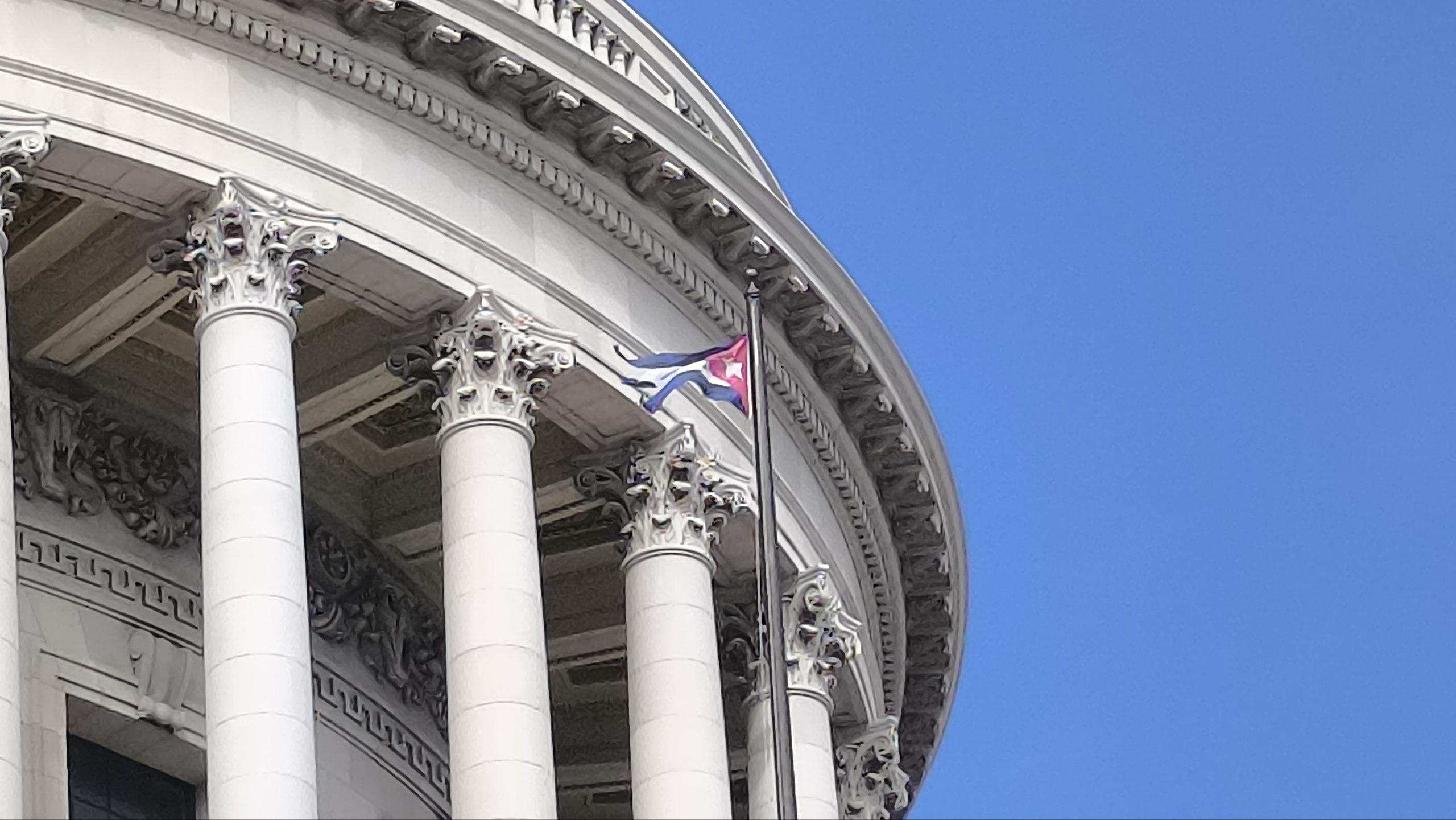
Havana/A Cuban flag, in tatters, flies at the Capitol in Havana. The national flag seems to have lost the battle against the wind and abandonment. Its blue and white stripes are torn and the red color of the triangle has lost strength. It is as broken as the country it represents, an Island with diplomats who promote the same gags to the world that have been imposed on us here.
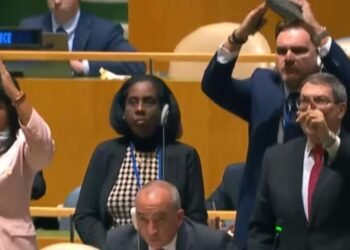
Yesterday, while this torn fabric flapped near the columns and dome of the imposing Havana building, another scene occurred in New York that revealed the deterioration of our public life. The official Cuban delegation, headed by Foreign Minister Bruno Rodríguez, participated in a act of repudiation against the United States ambassador before the United Nations. Screams, banging on the table and even an attempt to turn off Mike Waltz’s microphone made up the embarrassing spectacle.
The method is painfully familiar to us. Faced with an uncomfortable opinion, the Cuban regime has systematically chosen to raise its voice, raise its fist and push to the dungeons. When someone tries to argue their disagreement, crude insults rain down on them. This attitude has also given shape to a diplomacy of thuggery, to a school of international relations where grievance seeks to replace reason and slapping is taught as a legitimate response to disagreement.
What happened in New York was not an anomaly: it was the carbon copy of domestic behavior on an international stage
For years, Castroism has exhibited its worst political practices abroad. The disqualification of the adversary, the contempt for ideological diversity and the need to turn any exchange into a demonstration of force are part of that disastrous baggage. What happened in New York was not an anomaly: it was the carbon copy of domestic behavior on an international stage.
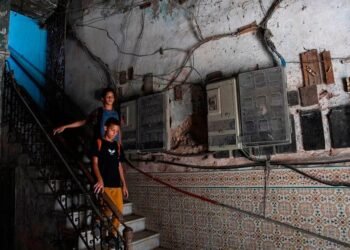
Although it is difficult not to feel ashamed when seeing the behavior of these officials, it is worth remembering that those who star in these scenes do not represent all Cubans. They do not speak for those of us who endure endless blackouts, for the mothers who say goodbye to their children at airports or for the political prisoners who have been demanding their freedom for years. That vociferous and rude picket is not the face of this country no matter how much they repeat it.
Unfortunately, before the cameras and international organizations, their gestures end up associated with our nationality. With which another form of dispossession is consummated, after having already appropriated the common symbols and used them in the name of a party, an ideology and a family clan that considers itself the perpetual owner of this country.
The Capitol flag also belongs to the Cuban who protested in the streets on July 11, 2021, to the one who emigrated in search of civic and personal freedoms, to the one who remains silent out of fear and to the one who still believes a democratic opening is possible in this land. No diplomat has more right to it than a dissident who projects an Island without censorship. No official can claim a monopoly on that lone star while threatening anyone who disagrees with his doctrine.
Perhaps in the coming days they will replace the torn flag that flies at the Capitol. A ladder and a few minutes will be enough to place a new one on the mast. But repairing the homeland will be much more difficult. Rebuilding our nation will require abandoning violence as a political language, accepting plurality and understanding that national dignity cannot be defended through a diplomacy of outrage. As long as this process of accepting differences does not begin, we will continue to be a broken nation, in pieces.