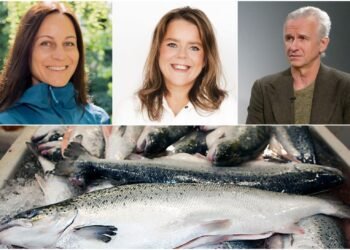
Vísis’s election forecast made by mathematician Baldur Héðinsson has so far suggested that the Samfylking and the Independence Party get six city representatives each.
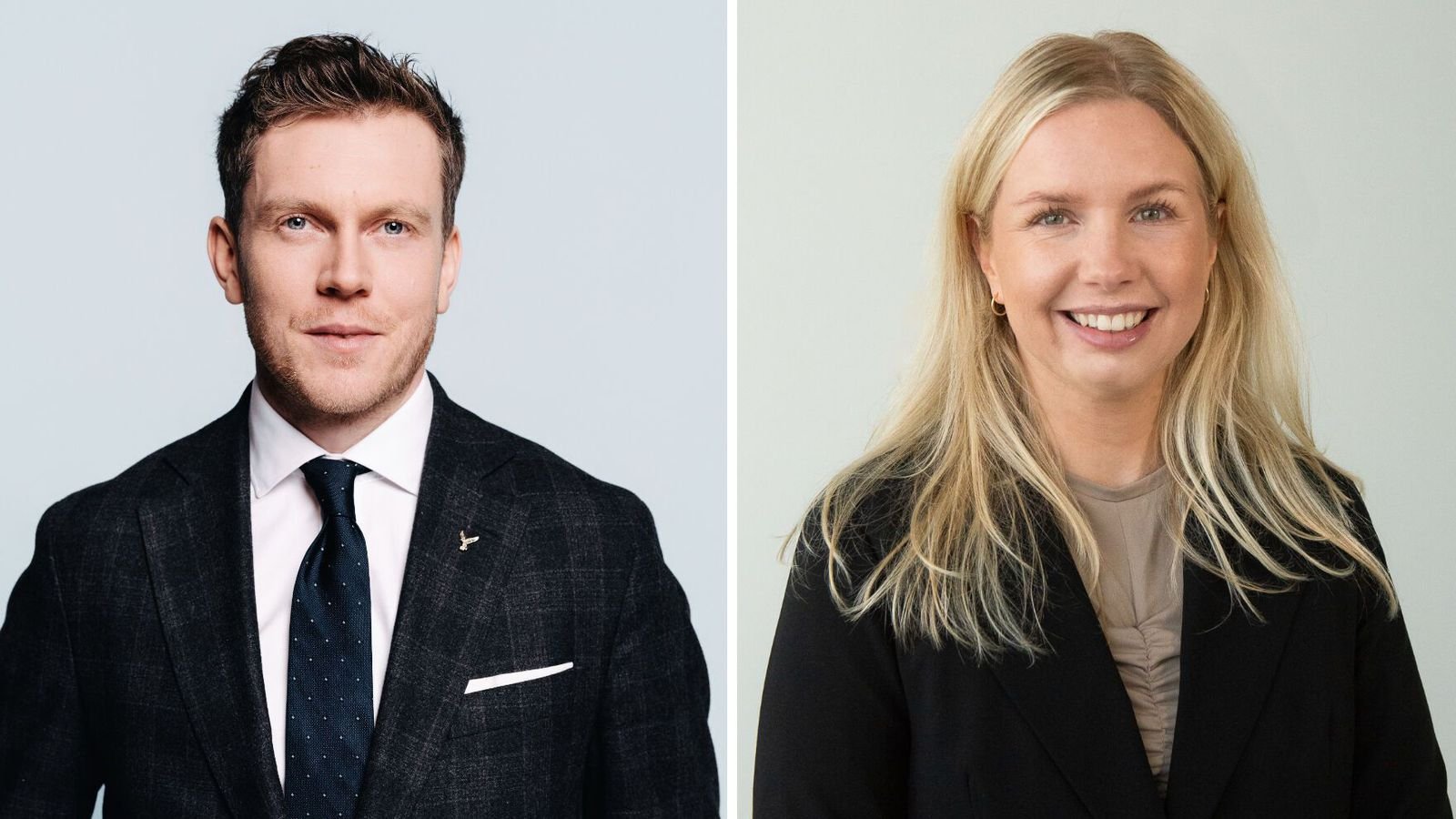
After the forecast was updated with Maskina’s latest survey yesterday, the Independence Party now has a 4.4 percentage point advantage over the Samfylking. Based on those numbers, Albert Guðmundsson, the seventh person on the list of independents, has a 64 percent chance of getting elected. The probability was 29 percent at the beginning of the month.
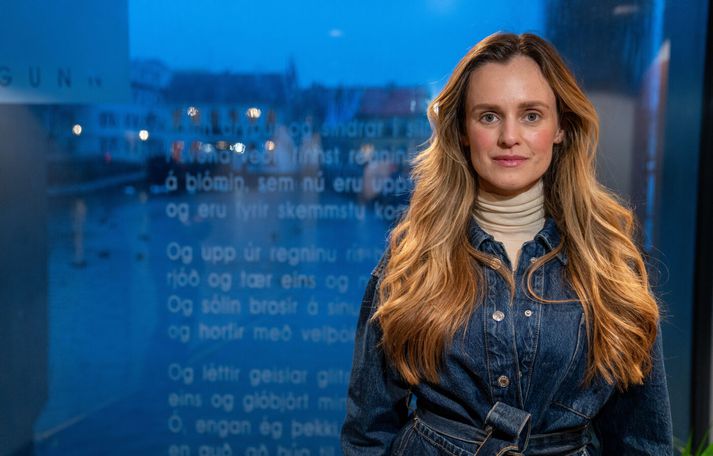
At the same time, it is now doubtful whether the Coalition will get the sixth man into the city council. Bjarnveig Birta Bjarnadóttir, the sixth person on the list, now has half the chance of being elected, but it was 73 percent just over two weeks ago.
Restoration and the Left more likely than the Mid-Party as it stands
As before, it is expected that what kind of majority will be formed after the election will be determined by the distribution of votes between the Left Party, Viðreisn and the Center Party. All three parties seem to have two candidates and eliminate the possibility of a third.
As the forecast currently stands, Stefán Pálsson, the third person on the Left’s list, has the highest probability of getting in, 63 percent. Þorvaldur Davíð Kristjánsson, Viðreisn’s third man, has a 54 percent chance, while Lárus Blöndal, the center party’s third man, has a 44 percent chance.

The main change after the forecast was updated is that Silja Sóley Birgisdóttir, leader of the Socialist Party, now has, for the first time, more than half the chance of getting into the city council. The probability is 62 percent, but it was less than forty percent when the first election forecast was published on April 7.
There is now less than a half chance that Guðmundur Ingi Þóroddsson, leader of the People’s Party, will get a seat on the city council. They are 42 percent, but were more than half earlier in the month.
There is more than a half chance that the Progressive Party and the Pirates will each get one person into the city council.
One three-party majority is in play, but the other is close
Majority formation could be reversed if the results are similar to the current forecast. The Independence Party and the Samfylking could form a two-party majority, but it is a rather unlikely result even if only one house separates the home of the leaders in Vesturbær Reykjavík.
Assuming that the two big parties do not want to work together, the only possible three-party majority would be a collaboration between the Independence Party, Viðreisnar and the Central Party. He would have thirteen city representatives, if it is assumed that the independents get seven people and that the candidates who have half the probability or more in the forecast get elected. Twelve city representatives are needed to form a majority.
The coalition would need to get the sixth person in the city council in order to have a chance of forming a three-party majority with the Left and Viðreisn.
About the election forecast:
Baldur Héðinsson’s election forecast is based on the results of the opinion polls. They are given weight based on three factors; how many people answer a survey, how far it has been since the survey was conducted and who is responsible for it. The result is a prediction of the percentage of votes each party will receive.
In the sequel, the election forecast simulates 100,000 virtual elections where the support fluctuates. For each result, city council seats are allocated. Those soldiers then give an estimate of each candidate’s chances of getting elected.
Maskina’s survey, which was conducted on 17-24 April has sixty percent weight in the latest update of the forecast. Gallup survey for 1.-15. April has a weight of forty percent.