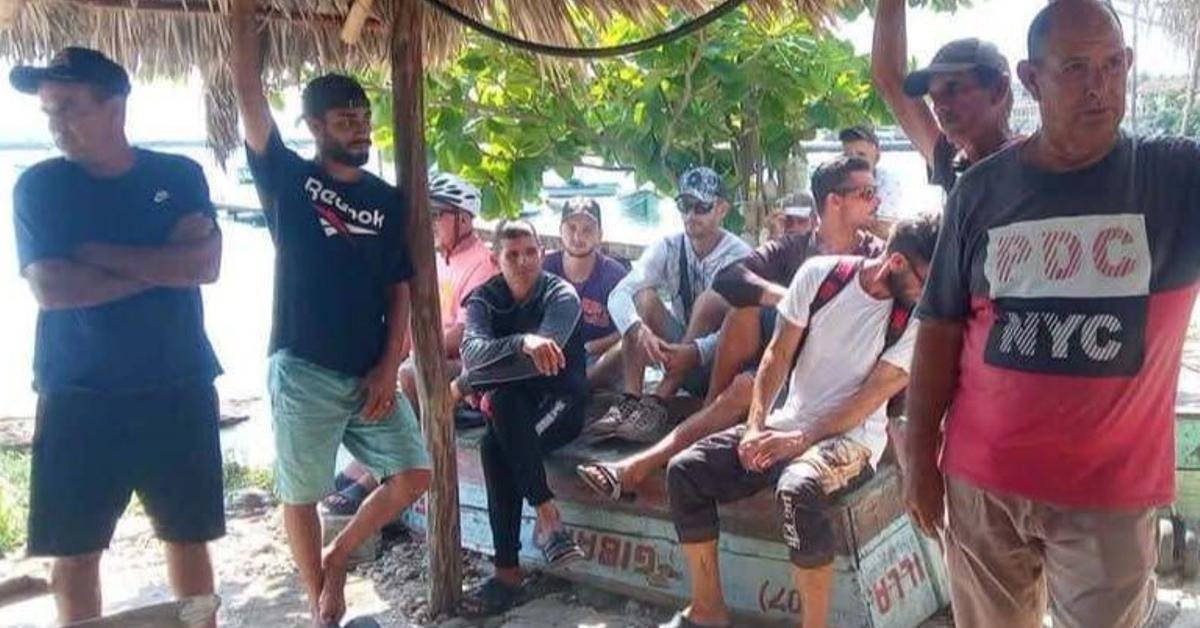
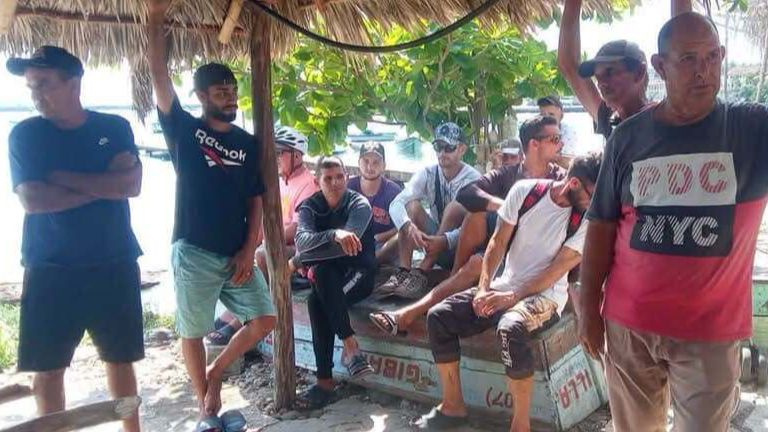
Havana/In Gibara, a city that survives facing the sea, fish has become a luxury for many of its inhabitants. Neighbors remember the times when trucks left the dock loaded with fresh catches to distribute to the butcher shops. Today, according to what they report, between abandoned boats, skyrocketing fuel and restrictions on fishermen, getting a fish for a family meal can be an expensive adventure. For this reason, when the municipal authorities announced this Monday a meeting with the sector to “strengthen fishing production”, the reaction on social networks was far from enthusiasm.
A man from Holguín with relatives in Gibara explains to 14ymedio that the problem goes far beyond the lack of fuel. “There, people have to pay dearly to see a fish on their plate because the fishermen have been closed off from all sides,” he says. According to his testimony, the controls, fines and mandatory deliveries to official channels leave very little room for self-consumption and direct sales to the population.
“Buying a longline, a hook and even repairing a boat is something that only fishermen with more resources can do,” he laments. The source maintains that the closure of the old fishing cooperative aggravated the situation of the families that traditionally made a living from that activity.
Rafael Márquez ironically said that the neighbors will have to wait until “the fish grows feathers”
In the comments of the official publication of Gibaravisión, recalling that numerous similar meetings have been held, the tone was similar to the source of this newspaper: “We are still without fish,” wrote Merlins Pérez, for example. The state media had presented the meeting, held on October 19, as “a space to share ideas, express concerns and strengthen the territory’s fishing production.” However, they avoided specifying what those concerns were, what the fishermen demanded or what solutions the local leaders offered.
“And what results did the meeting give to improve the community’s nutrition and attention to that sector so closely linked to the Gibareño identity?” asked Jorge Barciela. Other Internet users were less diplomatic. Michel Ortega Bauta asked when there would be fishing again in Gibara, while Rafael Márquez ironically said that the neighbors will have to wait until “the fish grows feathers.”
One of the main historical facilities in the sector was the Luis Hernández Hernández establishment, belonging to the state company Pescahol, but popularly known as the fishing cooperative. A report published in 1978 by the magazine Sea and Fishing It documented that that facility had 138 workers, of which 95 were directly dedicated to the tasks, and had 19 boats.
Private fishing also had an important weight in the local economy. According to an investigation According to the IPS report of July 2019, the Pepín Infante Sport Fishing Base then grouped 272 fishermen and 53 boats, of which 23 were motorized. Workers were obliged to sell a part of their catch to the State, while they could allocate the rest for self-consumption or marketing.
A Gibareño assures that they need “more papers than to leave the country” and that going fishing can require an investment of up to a million pesos
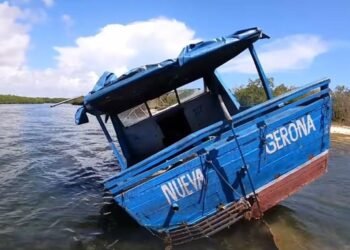
Precisely, the state of the boats appears among the concerns expressed by neighbors. Omar Córdova Ferraz denounces that a boat remains abandoned at the dock of the Government fishing base and assures that another 31 have disappeared. The commentator also describes the difficulties of those who still try to make a living at sea: he assures that they need “more papers than to leave the country” and that going fishing can require an investment of up to a million pesos, without receiving government aid.
The complaints are not new. In April 2025, another report of the IPS agency collected testimonies from Gibareño fishermen who reported that they had not received the subsidized fuel that the State previously provided them for approximately a year. Forced to purchase it many times in the informal market, they had to face increasing expenses while the local government established ceilings on the sales prices of the fish.
“They raise the price of fish, but the price of fuel does not drop to a reasonable price,” explained Frank, one of the interviewees. The problem was aggravated by the characteristics of the activity in Gibara, where fishermen had to travel several miles out to sea and return in less than 36 hours. A day of few catches could end up becoming a debt.
The town managed to attract visitors thanks to its hotels, its architectural heritage and the International Poor Film Festival, but the Cuban tourism crisis has also affected that sector.
In the comments to the recent meeting there are also proposals to change the management model. Rigoberto Rubio calls for privatizing fishing or allowing MSMEs to take charge of the boats. Luis Orlando Martínez demands greater facilities for importing boats and ships, like those that, in his opinion, exist for other vehicles. Edir Pérez Mayo, for his part, remembers when the trucks distributed the catches to the butcher shops and “the whole town ate a little piece of fresh fish.”
Gabriel Santos raises another concern: the fate of cojinúas (a species of horse mackerel) caught in fishing pens and the possible damage to fish populations due to the size of the meshes and the lack of respect for reproductive periods. Their complaints point to the need to know both the commercial destination of the catches and the conditions under which they are taken.
Meanwhile, the municipal government insists on the importance of “listening, dialoguing and building together.” The official publication does not detail agreements, deadlines or commitments to recover production. It also does not clarify whether fuel will be provided, boats will be repaired or marketing conditions will be modified.
For the Holguín resident consulted by this newspaper, the deterioration of fishing is related to the economic priorities of the authorities, who for years opted to turn Gibara into a tourist destination. The town managed to attract visitors thanks to its hotels, its architectural heritage and the International Poor Film Festival, but the Cuban tourism crisis has also affected that sector.
“The bosses of Gibara stopped caring about fishing and focused on hotels and tourism,” says the source. “Now they have neither tourists nor fish.”