He failed coup attempt against the government of Carlos Andrés Pérez, led by Hugo Chávez on February 4, 1992and the subsequent imprisonment of the then lieutenant colonel in Yare prison, marked the origin of the ideological bases of Chavismocollected in the book “Habla el Comandante”, by the historian and academic Agustín Blanco Muñoz.
Blanco Muñoz, who directed the “Pío Tamayo” chair at the Central University of Venezuela, spoke for hours with Chávez in his place of confinement about what his government program would be if he one day regained his freedom and came to lead the destiny of Venezuelans from the presidency of the Republic.
READ ALSO
In the publication, Hugo Chávez explained how he conceived regional integration with a political and anti-hegemonic approach, based on oil as a diplomatic tool. Programs such as the Bolivarian Alliance for the Peoples of Our America (ALBA), Petrocaribe, Unasur, Celac and Mercosur, among others, were announced almost in the first place to the historian Blanco Muñoz.
Hugo Chavez. Photo:EFE
Venezuela’s relations with the United States in times of Chavismo were characterized by a constant diatribe towards the northern country, including expulsions of diplomatic personnel and the suspension of military cooperation programs, with a special emphasis on a posture of defense of national dignity and the resistance of the people against Washington’s foreign policy.
In both the governments of Hugo Chávez and Nicolás Maduro, verbal attacks against the United States They were our daily bread. This narrative was amplified by the ministers of Chávez’s cabinet and by the main figures of the United Socialist Party of Venezuela (PSUV).
READ ALSO
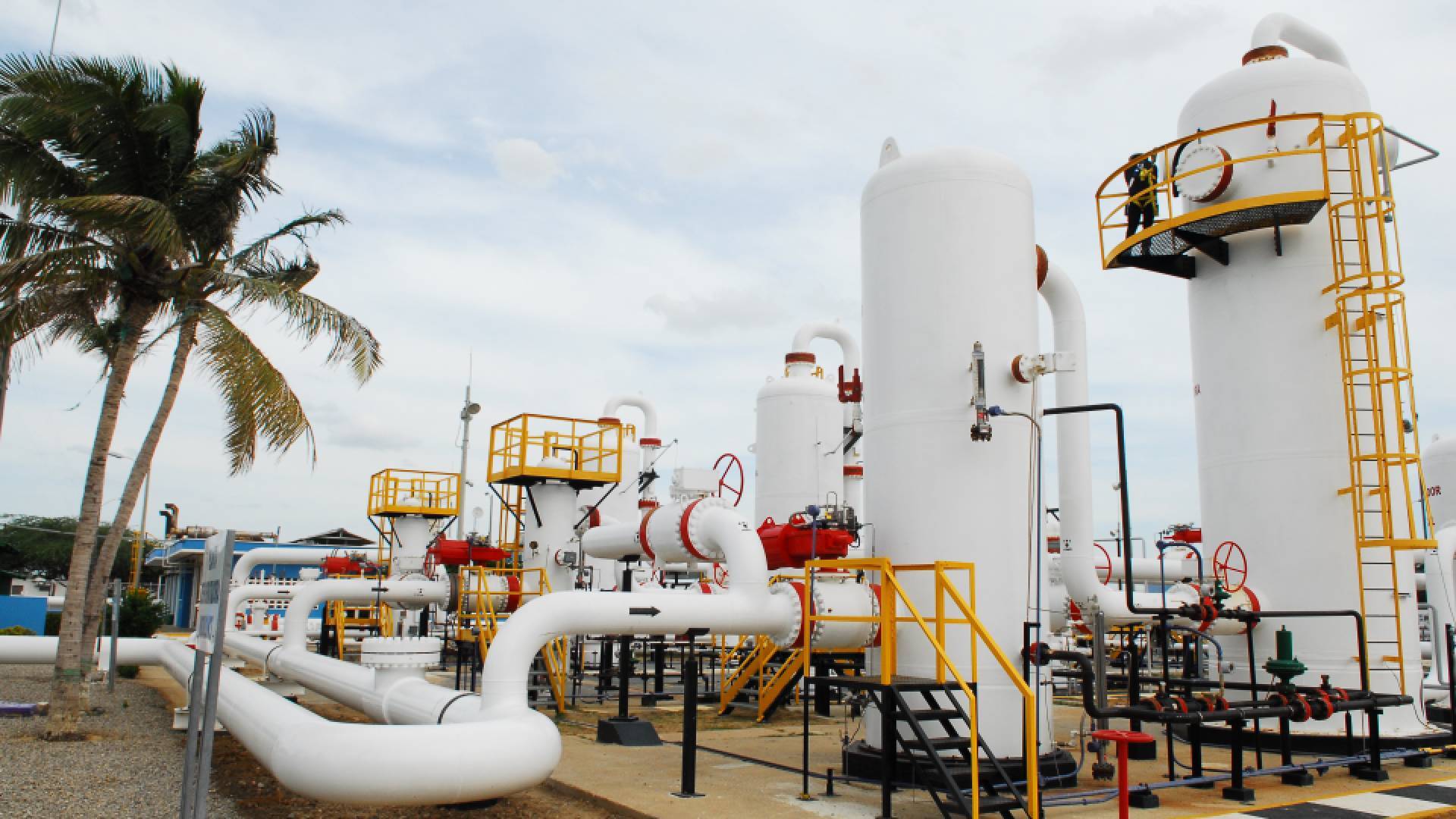
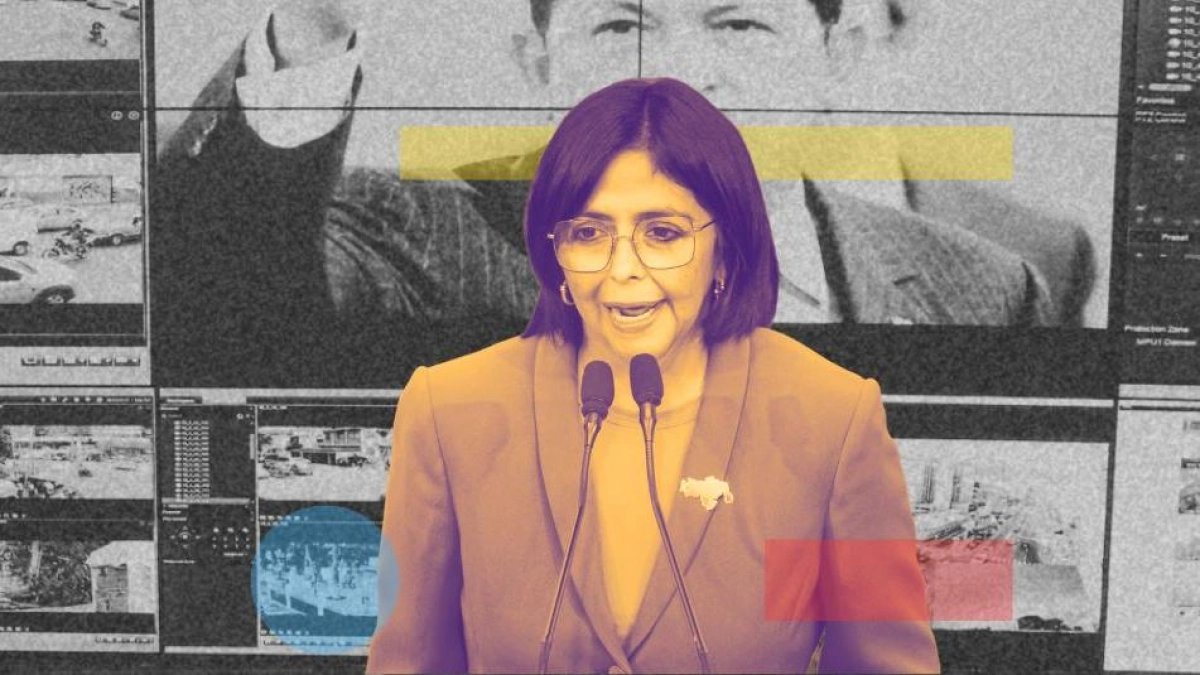
After the extraction of Nicolás Maduro by the United States in January of this year, the recognition and constant praise of interim president Delcy Rodríguez by the Trump administration, as well as the recent signing of an agreement that allows the United States control of 17 oil fields with some 65,000 million barrels of oil for 25 years, a deep division has been generated in the Chavista bases, which consider the current management of the country as a surrender of sovereignty and resources. energy of Venezuela.
Nicolás Maduro (right) and his predecessor, Hugo Chávez. Photo:GDA
“They left us without the narrative and without the ideological direction that we have defended for the last 27 years,” former ministers have claimed and figures close to the regime who currently feel displaced by the decisions of the interim president and by the direction taken by the so-called Bolivarian Revolution, which apparently his days are numbered under the tutelage of the United States.
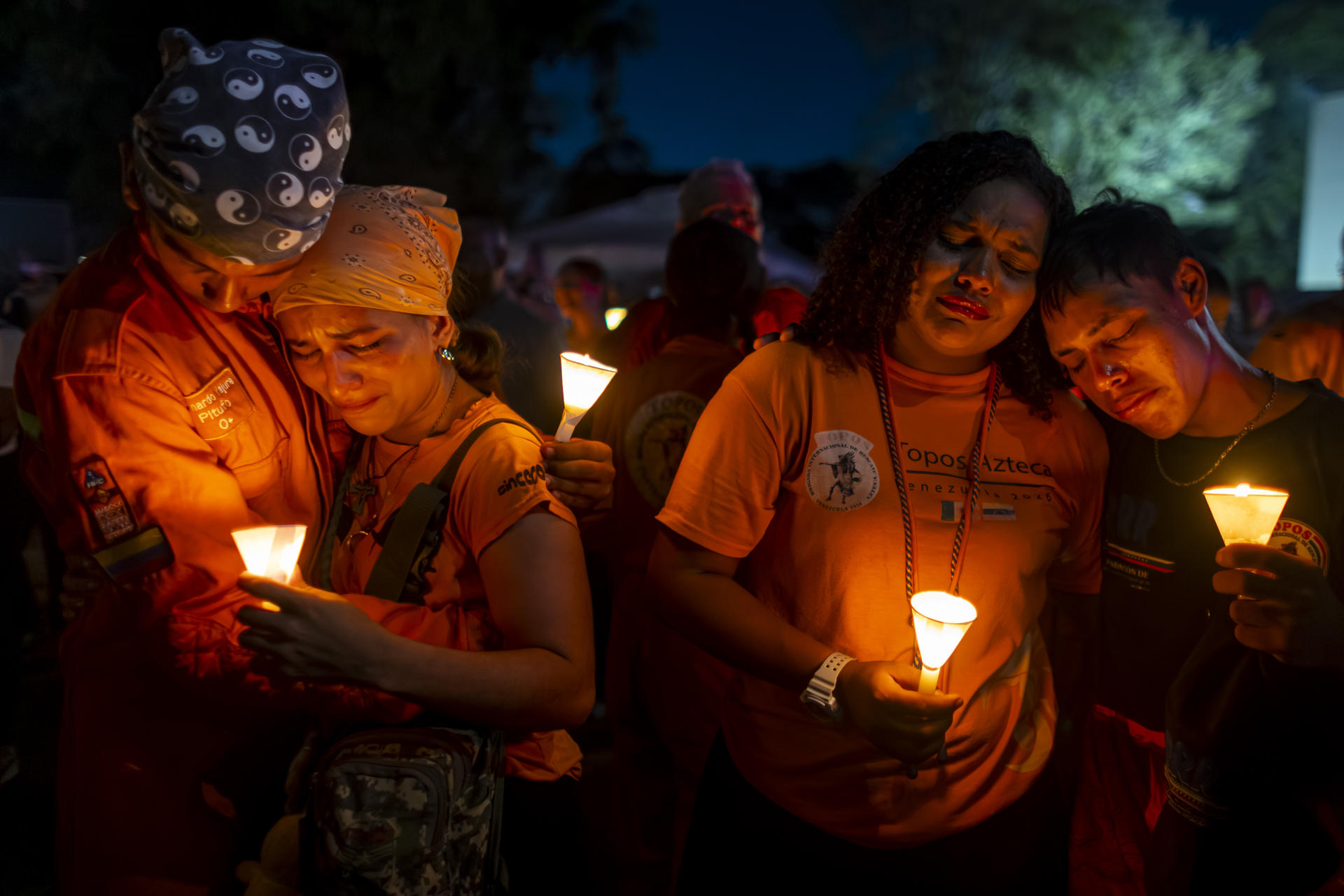
Meanwhile, political, social and economic improvements do not knock at the door of Venezuelan homes, which continue to cling to the hope of a soon change.
Germán Castañeda B.
* Former Colombian diplomat in Venezuela for more than 25 years.