Havana/Pablo has been sitting on his electric tricycle for a while, in front of the 3rd and 70th supermarketin the Havana municipality of Playa. He hopes that some buyer will come out loaded with bags and hire him for “a race to the door of the house”, but this Tuesday luck does not seem to be on his side either. “Very few people are coming because they already know that this is half empty,” he tells 14ymedio while looking at the entrance of the establishment.
“Before I used to piquera here until the afternoon, but now I stay a while and if I see that I am not going to achieve anything I go along the 3rd route to the Iron Bridge to look for passengers,” he explains. Its business has decreased at the same rate as the merchandise of the supermarket, inaugurated with great expectations on December 31, 2024 and converted into one of the symbols of the dollarization of Cuban state commerce.
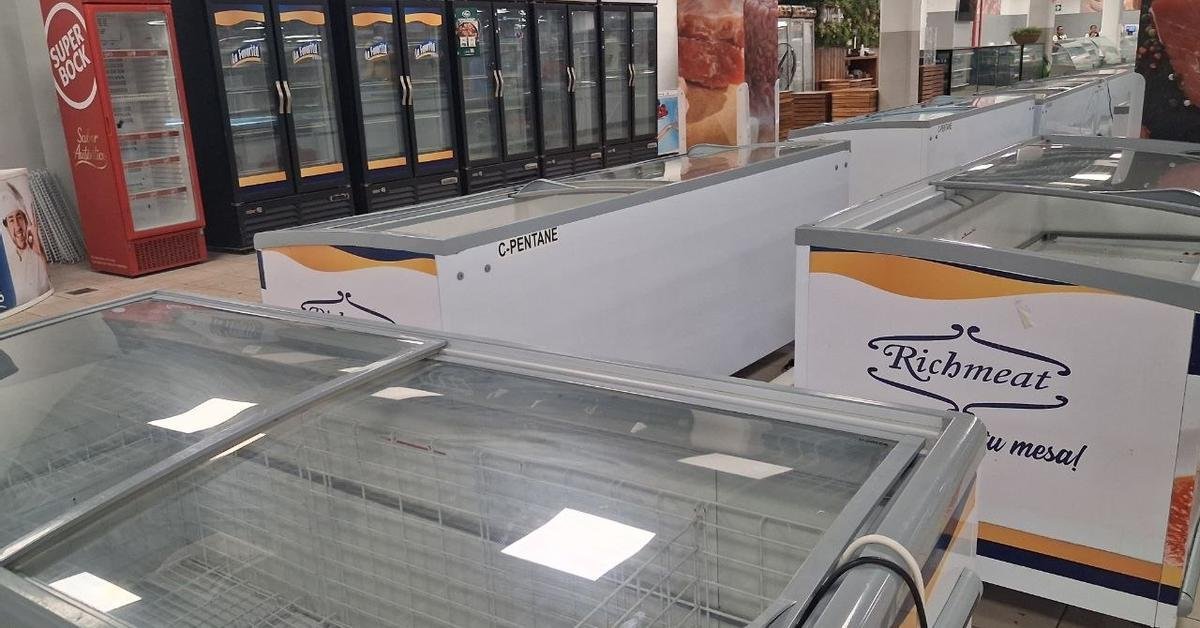
That shiny establishmentwith its 12 cash registers, full shelves and a clientele that included diplomats, foreigners and Cubans with dollars, now seems like a distant memory. Where cheeses, meats, sausages, preserves and imported products used to be displayed, empty refrigerators predominate. The crystals still shine under the overhead lights, but behind them the metal frames of the baskets barely remain.
“Almost no meat products are coming in, what is in the refrigerators are stocks that have been here for a long time because they are not goods in high demand”
The few refrigerators with merchandise display huge pieces of beef or complete fish that “have very little outlet,” acknowledges an employee. No eggs, chicken, sausages, beer or cheese appear. On the shelves, the water bottles multiply until they form long rows, a strategy to hide the lack of variety that had already become evident during the first months of this year.
“Almost no meat products are coming in, what is in the refrigerators are stocks that have been here for a long time because they are not goods in high demand,” warns an employee in the warehouse area. “People don’t buy such large pieces of meat because of the problems involved in refrigerating them later.”
The smell that greets visitors as soon as they cross the entrance adds another disturbing signal. Food preservation has become a challenge even for this privileged establishment. “We have a plant, but it has happened to us that the power goes out and we do not have fuel to start it, that interrupts the cold chain and there are foods that cannot withstand that,” acknowledges the worker.
The Spanish company’s logo remains on some refrigerators. Vimaalthough there is no merchandise left behind its doors. The company, a commercial partner of Gaesa, has begun to reduce its presence in Cuba. At the end of September, it removed its signs from the Infanta and Santa Marta store, in Centro Habana, and had left two of its three storage warehouses in Berroa practically empty.

/ 14ymedio
Something similar seems to be happening with Richmeat, the firm registered in Mexico whose business structure and links with Cuban power have raised numerous questions. Its popular La Favorita sausages and El Cocinerito chicken picadillo tubes have disappeared from refrigerators, although the brand’s advertisements still survive, with photographs of appetizing hot dogs contrasting with the bare baskets.
The collapse of the business is not explained solely by shortages. “This was also intended to supply a very touristy area, but now there is no tourism,” says the employee, while pointing out the imposing Gran Muthu Habana hotel, built on top of the commercial complex.
Added to this loss of buyers, since June, the inability to pay with Visa and Mastercard cardsafter a foreign bank interrupted its operations with Fincimex. “Before, more diplomatic personnel came, churches and other international organizations made their purchases, but almost all of them move with foreign cards,” laments the worker.
The decline is especially significant because the supermarket was born as a showcase of abundance in a city of undersupplied stores. Its opening ended up condemning the old market on 3rd and 70th, located directly opposite, which was dismantled and converted into a warehouse.
Now, the establishment that was supposed to represent the future of commerce in dollars reproduces the same image of scarcity that the state commerce in pesos has had for years. Outside, Pablo looks at the door again. Nobody leaves with enough purchases to need their tricycle. Maybe it’s time to head towards the Iron Bridge.