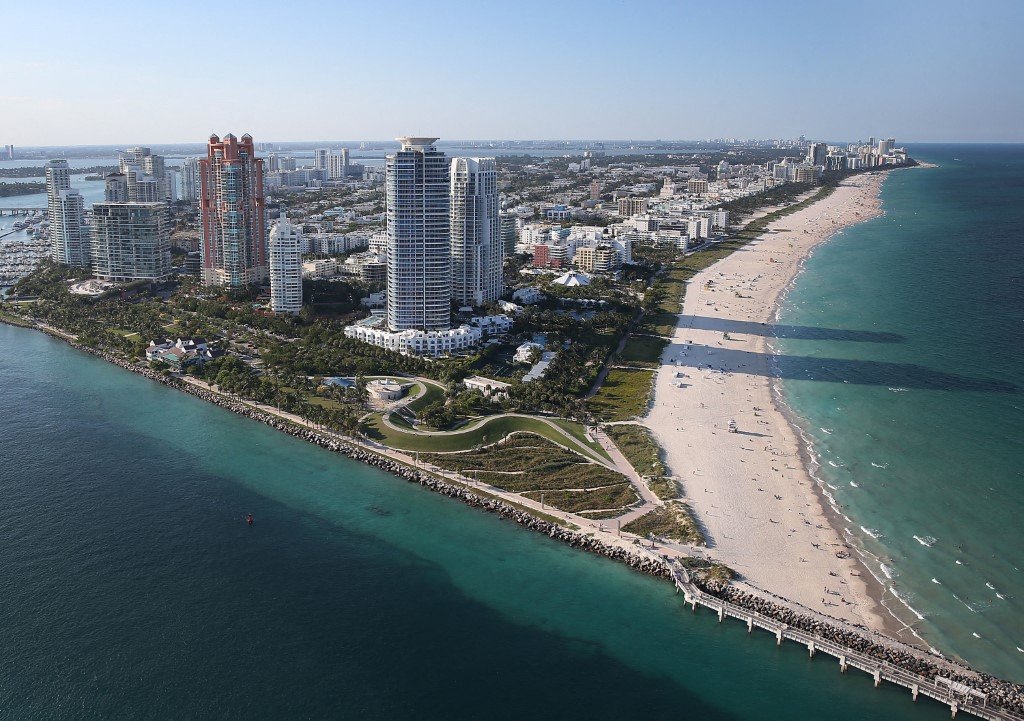
Living in the south of the Florida has become a economic challenge for its inhabitants. According to a report published this year by the Office of Economic Analysis, Miami became the second most expensive city in the United Statessurpassing the metropolitan area of New York, Newark and Jersey City. This situation has forced immigrant workers and young professionals to allocate up to 60% of their monthly income solely to cover housing payments, pushing many families to relocate to the peripheries or to share expenses so as not to be marginalized from the market.
The general increase in prices responds to a historic rise in prices. According to local media, Since 2019, South Florida accumulated an increase of 36% in the Consumer Price Index, which represents the highest increase ever recorded by the Bureau of Economic Analysis. While generalized interannual inflation in the United States stands at 3.4%, in lIn the Miami metropolitan area the figure climbs to 3.7%.
The economist and financial market analyst José Angel Arámbula explains that the real blow to the domestic economy is evident when examining the accumulated inflationary impact during recent years, beyond the interannual variation. “If we add up all the inflation figures since the coronavirus until now, we find that prices in general have grown between 35% and 40%. On the other hand, the average family salary, which is between $70,000 and $80,000 annually, has only risen between 5% and 10% in a matter of six years,” says the specialist.
Restrictive rents and gap with real wages
For the population that does not have the capital to acquire a property, the rental sector represents the greatest economic obstacle in their daily lives. According to the National Rental Report September published by Zumperthe largest private home and apartment rental platform in the United States, despite the fact that prices in Miami are falling slightly, the city remains well above the national average of $1,518 for a one-bedroom unit.
In Miami, a one-bedroom apartment registers a median income of $2,500 per montha figure that positions the city in sixth place in the ranking of the most expensive rentals in the United States.
This reality of the real estate market contrasts drastically with the purchasing power of the majority of workers in the area. The average individual income in the Miami-Dade County It’s only around $39,000 a year. For its part, the state minimum wage in Florida, which increased to $15 per hour since the end of September, is equivalent to about $31,200 gross dollars per year working full timean amount that is insufficient to individually cover the average cost of a rental.
He real estate advisor Ricardo Díaz explains that, under the usual financial and real estate parameters, management companies and owners require that the rental fee does not exceed one third of the applicant’s gross income to consider the application financially viable.
“To pay a rent of $2,000 with peace of mind, a person should earn at least $6,000 a month”details the real estate advisor residing in the city of Miami. Díaz adds that the entry conditions have become extremely strict. “The first month’s rent in advance, up to two months’ security deposit, proof of income for the last two or three months, a credit history check and a police background check are required for all household members over 18 years of age,” he says.
This accumulation of deposits implies that A tenant needs to shell out between $6,000 and $8,000 in cash before moving in. Given the individual impossibility of assuming these amounts, the coexistence of several people in the same apartment has become increasingly common, an alternative that in turn comes up against local legal occupancy regulations that prohibit more than two people per room.
Real estate market and mortgage interests
The real estate buying and selling sector in Miami-Dade County is also going through a readjustment phase motivated by the end of the era of cheap credit. During the months following the 2020 lockdown, monetary policy decisions in the country facilitated access to mortgage loans at historically low rates, unleashing an aggressive buying spree and skyrocketing residential property values to record levels.
Ricardo Díaz points out that Market dynamics took a radical turn with the recent increase in interest rateswhich are above 7% for fixed rate loans. “During the pandemic I sold properties to clients who bought with an interest of 2.5% per year. At that time the seller had absolute control of the market because a house received multiple offers immediately. Today the situation has changed towards a buyer’s market: the inventory lasts longer published, sales have slowed down and sellers are forced to lower prices or offer incentives, such as covering the buyer’s closing costs, in order to close the transaction,” he explains.
Despite this slowdown in sales speed, absolute property prices have not experienced drastic declines because housing supply remains insufficient to absorb the continued flow of new residents moving to the region.
The weight of insurance policies and transportation
In addition to the direct outlay allocated to renting a home, the budget structure of a household in Miami suffers the impact of expenses related to insurance and transportation.
Economist Jose Ángel Arámbula points out that the risk associated with meteorological phenomena and hurricanes has unleashed a crisis in the Florida insurance sector. This situation, he affirms, has led to the withdrawal of several companies from the state market and an excessive increase in rates. According to the financial advisor, Home insurance policies have recorded cumulative increases of between 50% and 100% in the last two yearswith extreme cases where the increase has reached between 100% and 200%, an extra cost that the owners pass directly to the rents.
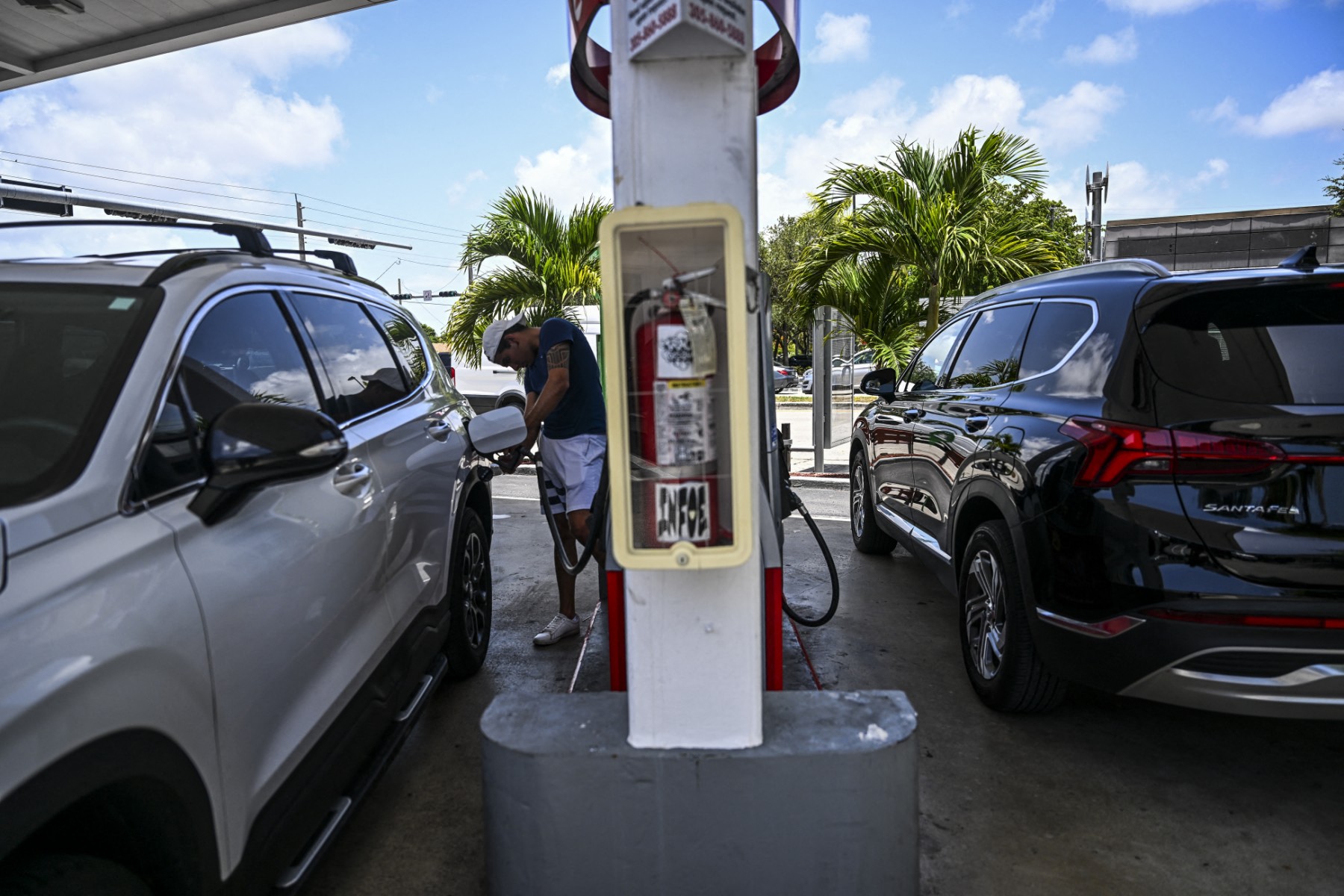
Added to this pressure is the almost mandatory dependence on the private vehicle given the territorial extension of the metropolitan area. The payment of automobile financing installments, the vehicle insurance premium, which is among the highest in the country, fuel consumption and daily tolls add between $800 and $1,200 monthly additional to each person’s individual budget.
Even Florida’s historic tax advantage, based on the absence of a state personal income tax, has begun to be neutralized for the average resident. According to Arámbula, the massive transfer of citizens from states with high tax burdens, such as New York or California, increased competition for land in Miami to such an extent that the tax savings ended up being absorbed by the high costs of rent and basic services.
Survival strategies
Faced with the difficulty of maintaining the standard of living within the urban limits of Miami, families and workers have begun to implement adjustments in their consumption habits and look for options in other areas of Florida.
“This migration trend from Miami to the north was not usual in previous years. The phenomenon responds to macroeconomic variables and inflation accumulated over time. Although purchasing power in Miami continues to be relatively high and there is economic dynamism, The constant increase in food, services, transportation and housing has mainly affected those who do not have high salaries“says Ricardo Díaz.
The main trend reported by specialists is internal displacement towards counties located to the north, such as Broward or Palm Beach, or to the most peripheral areas of Miami-Dade County itself. In these locations, prices per square meter are comparatively lower, although this means taking on longer journeys to employment centers and greater expenditure on fuel and tolls.
On an individual financial level, Arámbula emphasizes the need to restructure budget management. Its main recommendations include financial control to avoid impulsive or emotional spending, the preparation of strict income and expense balances, and prioritizing the payment of credit cards with smaller balances to release lines of credit more quickly, which allows you to improve your credit rating and access better financial conditions in the US market.