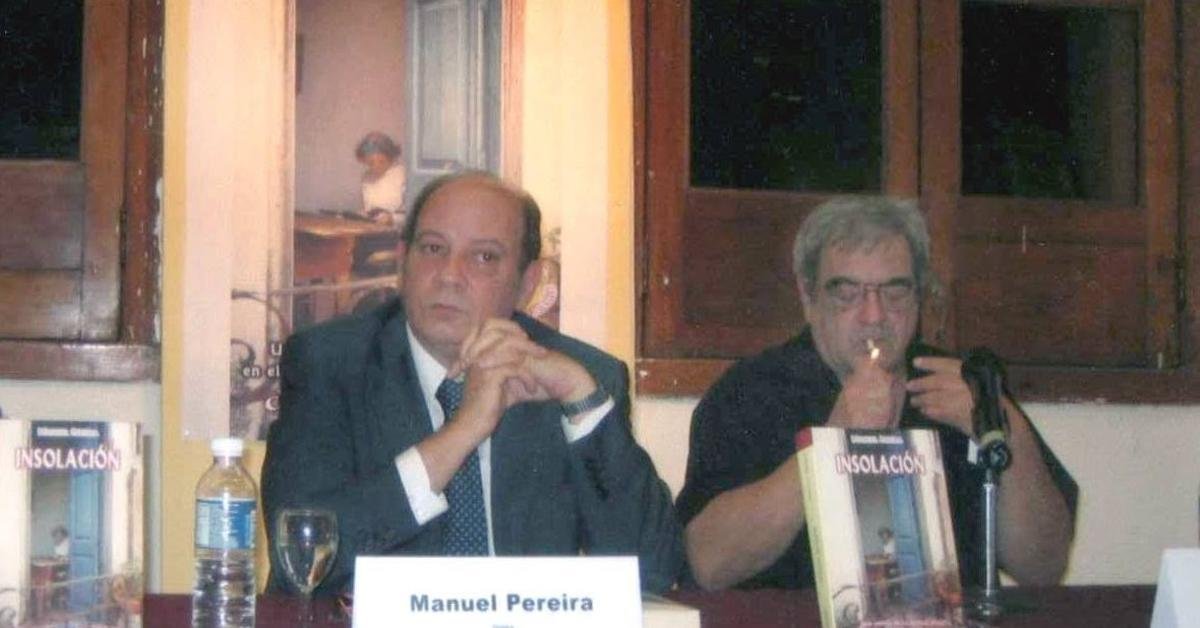
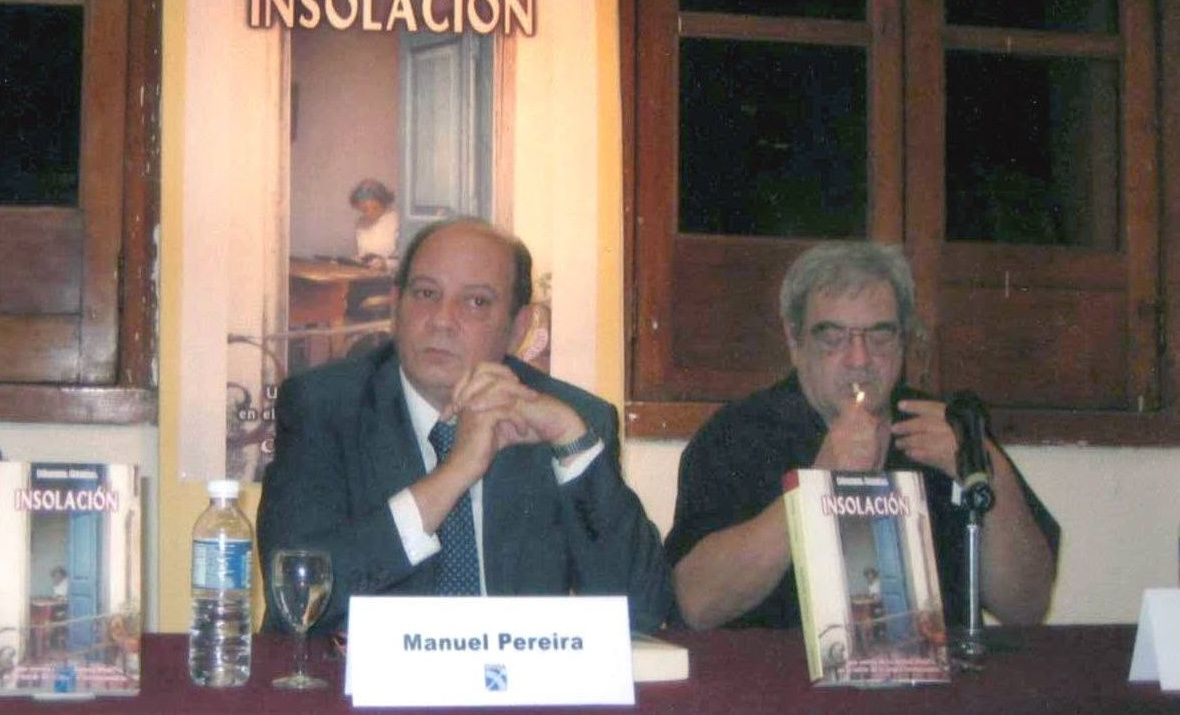
Havana/Manuel Pereira, one of the last disciples of José Lezama Lima and a singular voice in contemporary Cuban narrative, died this Saturday in Mexico, just three weeks after turning 78. With his death, a writer disappears who experienced revolutionary enthusiasm, knew closely the great names of the boom Latin American and ended up finding in exile the freedom that he lacked on the Island.
Born in Havana on October 31, 1948, the son of Galician emigrants, Pereira used to specify that he was not simply born in Cuba, but in Old Havana. That geography of narrow streets, old buildings and colorful characters fueled much of his literary imagination. The city would accompany him even when thousands of kilometers separated him from its portals and cobblestones.
He studied Fine Arts at the San Alejandro Academy, but soon found his true vocation in words. He practiced journalism, worked as a film scriptwriter, published numerous reports in the magazine Cuba International and held responsibilities in the magazine Cuban Cinema. However, one of the decisive experiences of his youth occurred in the house in Trocadero where José Lezama Lima lived.
There he learned from the author of Paradise a way of understanding literature as an adventure of knowledge. Throughout his life, Pereira would maintain his devotion to that teacher who taught him to look beyond appearances. Years later, in his evocation The Delphic Coursewould leave testimony of an intellectual and human relationship that never died out.
Alejo Carpentier greeted him as a born novelist and Gabriel García Márquez even stated that it was the novel he would have liked to write about Cuba.
His first novel, Commander Poisonwritten between 1972 and 1974 and finally published in 1977, made him a well-known author in Cuba. Inspired by his experiences during the literacy campaign, the work was initially rejected by a military jury that found in its pages foreign influences and passages considered pornographic.
Alejo Carpentier greeted him as a born novelist and Gabriel García Márquez even stated that it was the novel he would have liked to write about Cuba. Those praises opened doors for a young narrator who also cultivated friendship and intellectual exchange with figures like Julio Cortázar. His book of essays The fifth ship of fools It became a cult read among young Cubans.
But Pereira’s career was marked by a painful breakup. During his stay as a cultural diplomat at UNESCO in Paris, he looked with hope at the Soviet perestroika reforms. His disenchantment with Cuban political immobility led him to resign from office in 1988. Three years later he permanently left the Island.
Berlin, Barcelona and finally Mexico City were the stations of an exile during which he continued writing, translating and teaching literature. He published novels such as Toilette, Insolation, The Eskimo Kiss and an old tripin addition to essays and stories that confirmed his intellectual curiosity and his resistance to any typecasting.
In an interview granted to 14ymedioPereira He defined himself as an essayist who wrote novels. Behind that statement there was a conception of writing as permanent exploration, but also the experience of a generation that had believed intensely in a political project and ended up deeply disillusioned.
Mexico, where he had resided since 2004, was his last refuge. There he taught, wrote and continued to evoke a Havana that he never completely abandoned.