Greenland Business has generally welcomed the new security agreement between the USA, Greenland and Denmark very positively, and sees some exciting opportunities in relation to the recognition of Greenland as a party to the agreement, which also holds some good opportunities for the development of society.
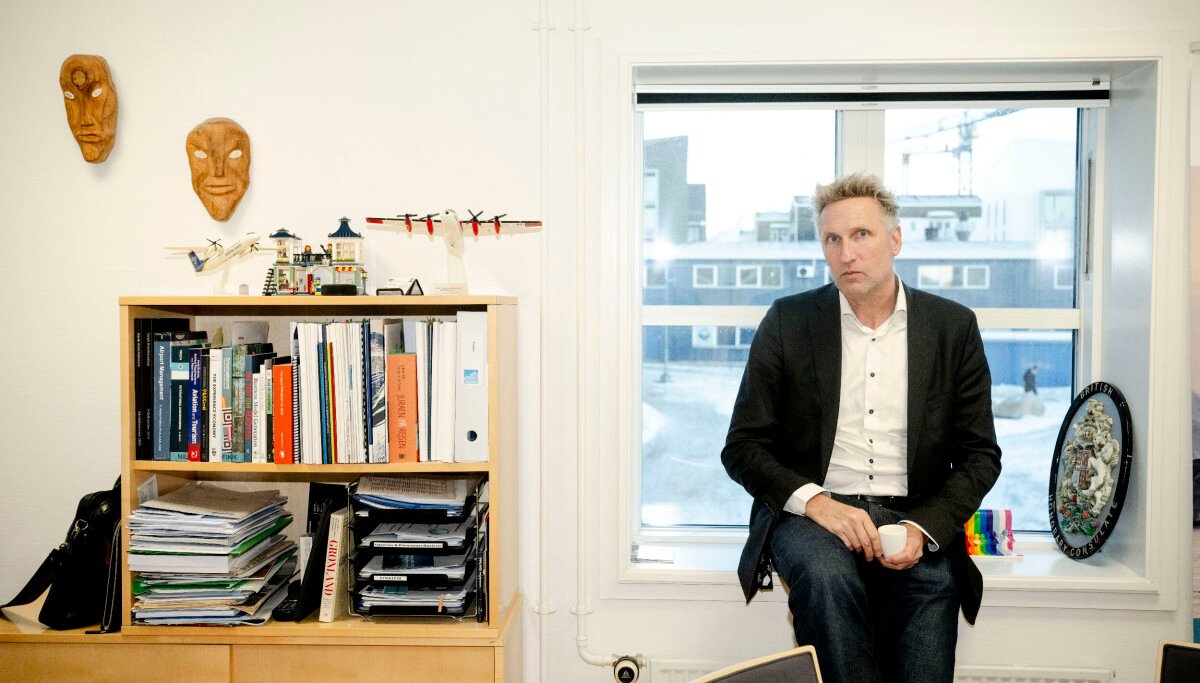
That’s what director of Greenland’s Business, Christian Keldsen, says.
– A bit of calm has been created around Greenland, and we expect this to have a positive impact on investor interest. In addition, we have seen on some occasions now in the share prices that there seems to be a trust in both the USA and the EU in Greenland.
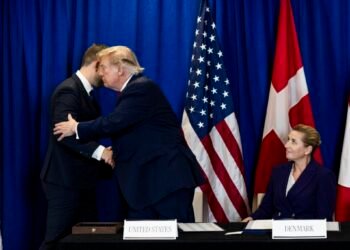
– When the risk of a takeover is taken out of the equation and a foundation has been created that even strengthens security in the country, investors have better conditions for evaluating investments, says Christian Keldsen, referring to the many shares related to Greenland, which shot up on Monday after Trump’s announcement that he would enter into an agreement with Denmark and Greenland on increased US military presence in Greenland.
In connection with the stock market opening, oil company Greenland Energy’s shares rose by 127 percent. The American company Greenland Mines, which holds exploration licenses in the Skaergaard area in Northeast Greenland and the Sarfartoq project near Kangerlussuaq, rose by 136 percent, while shares in the American-Australian company Critical Metals Corp., which will extract rare earth metals from Killavaat Alannguat, rose by 33 percent.
The Bank of Greenland also had a good day on the Copenhagen Stock Exchange with a share increase of 7.24 percent. Since then, however, some of the shares have fallen slightly again.
Benefits the investment climate
The reactions from some of the raw materials companies are also positive. To Sermitsiaq, the director of the Canadian Amaroq Minerals, which has the extraction license for gold from Nalunaq as well as several exploration licenses in South Greenland, says that they estimate that the agreement will strengthen stability and benefit the investment climate in Greenland.
“We welcome this tripartite agreement. We believe that it will strengthen stability and benefit the general investment climate in Greenland. Greenland holds significant resource potential that can supply the West with critical minerals that are essential for innovation and security. With the largest acreage portfolio of licenses in Greenland, we continue to focus on promoting projects, supported by the ongoing operation of the Nalunaq gold mine”, says Eldur Olafsson.
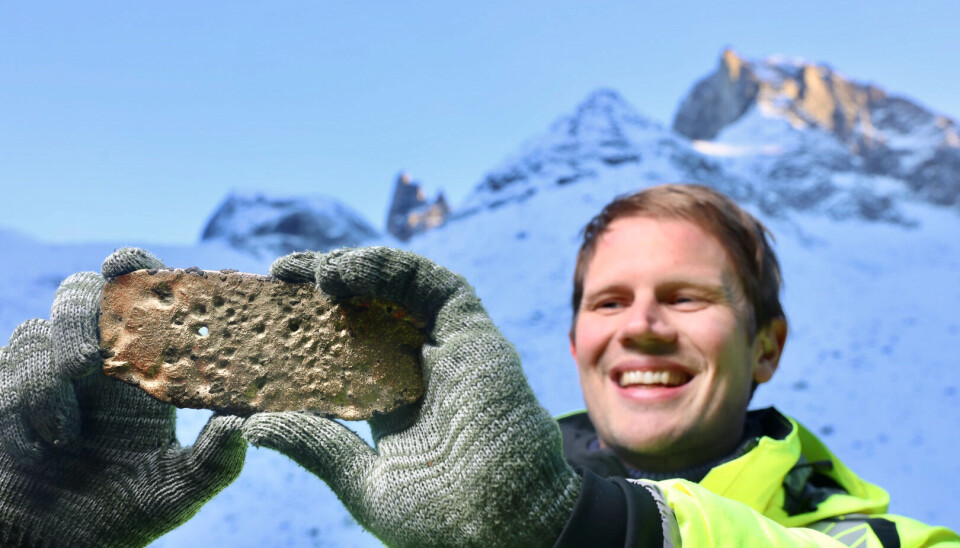
The same tone is heard from the Canadian company Anortech, which has a license for an area near Nuuk.
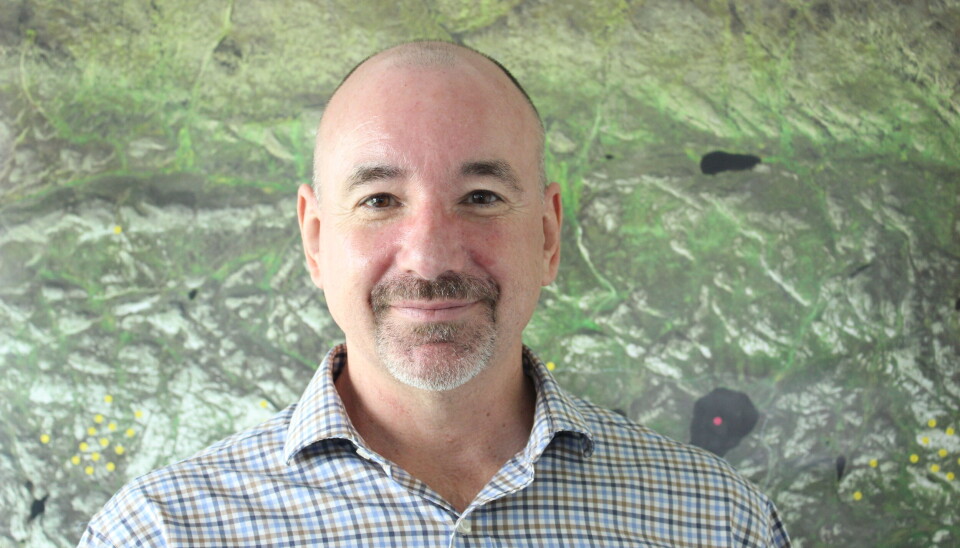
“The agreement marks a significant milestone for Greenland and the Arctic. It strengthens defense cooperation in the region, confirms Greenland’s sovereignty and right to self-determination, and recognizes the importance of projects regarding critical minerals in Greenland. This is a historic agreement, and we are particularly pleased that Greenland acts as a full signatory and that their rights and sovereignty are respected,” says director of Anortech Jim Cambon in a stock exchange announcement, adding:
“We expect this to lead to increased investment in critical minerals projects.”
Still many unknowns
Although the agreements are not known yet, it is a fact that both Mestersvig and Narsarsuaq are existing facilities with good infrastructure. And how these are to be pursued further and what the extent of American involvement will be, one must wait. It will be particularly interesting if the infrastructure that the military must operate and possibly expand or build is also made available for civilian purposes.
– Is it, for example, four employees and a drone to work on the existing bases, or is it 400 soldiers with planes, ships, radars, etc., where port facilities, runways, housing etc. are to be provided, we do not know yet.
– We know that public investment in infrastructure can be a particularly positive factor for projects and investors: it is actually one of Greenland’s strengths that it has developed a strong infrastructure over decades. Funded by both the USA, EC, Denmark and Greenland. We know the Dual-Use concept better than most, and it can benefit society and projects, also within the raw materials sector.
The Screening Act
– Going forward, it is important to remember that Greenland, Denmark and the USA already have a common interest, and that it must also be assumed to include who can invest. After all, Naalakkersuisut has been very clear about who may own critical infrastructure. So one can argue that the agreement is a cementing of an already existing understanding. This point of view is reinforced by the fact that in Greenland they have waited to complete the screening act, and that it is now rumored that they will use it to execute the relevant parts of the agreement with the USA, says Christian Keldsen, who also assesses that there may be positive spin-offs if there is access to the infrastructure for companies in the area.
– A potential negative effect may be related to the investments, if one seeks investments from a place that is not approved according to the screening act and the common understanding between Greenland, Denmark and the USA. But the latter is probably more theoretical than practical, says Christian Keldsen.
Support for the American bases
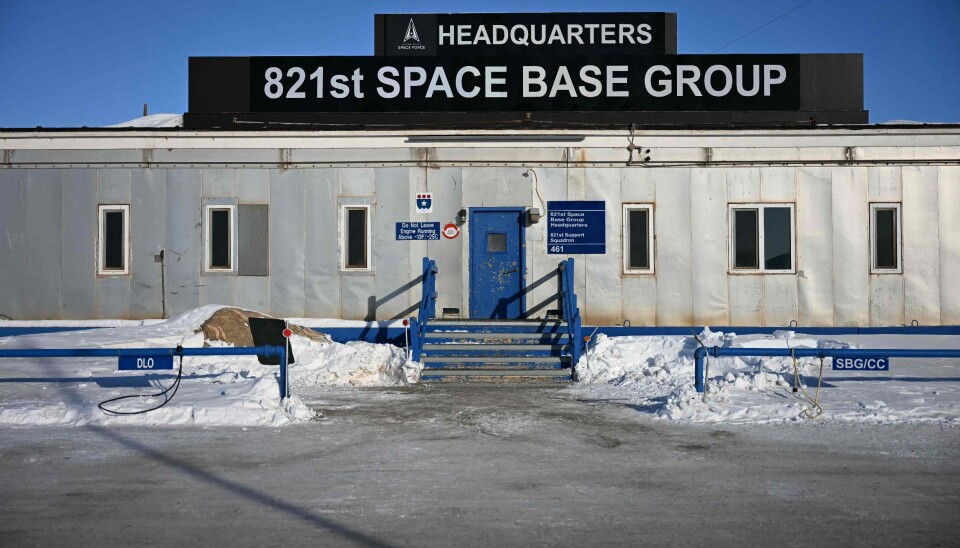
What about the companies that might be able to contribute to building bases like Pituffik Space Base. What significance does the agreement have for them?
– Depending on the scope of the tasks, this can lead to some exciting tasks. It is very positive that Greenlandic companies can take part in carrying out important social tasks, and perhaps even more exciting that under this agreement it is financed from outside. There will therefore be a positive exchange relationship for Greenland, where we deliver something that is paid for with external capital, which thereby creates value in our society, says Christian Keldsen.
Greenland’s Business has already made itself a spokesperson for the defense industry to be seen as a definite pillar of the economy.
– On the one hand, we have 80 years of experience in cooperating with and servicing defense installations, and on the other hand, you can see other societies in the world that create prosperity through cooperation with defense, for example Guam, where 30 percent of the gross domestic product comes from defense activities and Hawaii, where it is 8.5 percent.
Infrastructure and more in education
– As an extension of this, you can again point to the infrastructure that will hopefully be built. Historically, we have also been able to benefit from this, and one can hope that some infrastructure will now be secured that we as civil society can use to develop local communities and businesses. When we look back in 10-15 years, I hope we will see that we have activated more people at home in education and that we have raised participation in the job market from the 67% it is today, and that we have been able to build on the prerequisites that have been created.
– Our young target group is hopefully activated and we have built up more and new skills in the business world, which help to develop society as a whole. The business community’s contribution to development has hopefully also become even greater, because we have been able to move away from equalization in the Commonwealth and into a more market-based approach to creating prosperity in society, says Christian Keldsen.