Text and image Jason Pinas
PARAMARIBO — “Boston Bendt should be immortalized by the government. The man is a hero and we think he should really get more recognition now.” This is emphasized by Johannes Niavai, chairman of the Maroon Awareness Platform Suriname (Maps). the True Time. Shortly before that, he gave a lecture on the Square on October 10, 1760, in which he talked extensively about Bendt’s heroic deeds.
Niavai believes that appreciation for his crucial role in history has been delayed for too long. “A street, a square, an island or if it’s up to me even a city can be named after Boston Bendt. We underestimate it, but his contribution was enormous.”
“The issues for which Boston Bendt fought then are still relevant today. Human rights, including policy and intangible values and standards. He had a foreseen mind.”
Ronny Asabina
Stake
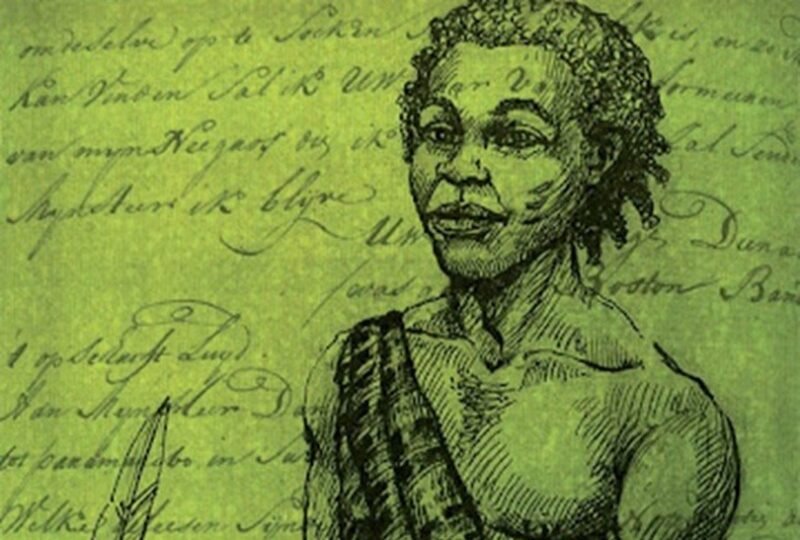
Boston Bendt, whose official name was Adyáko Benti Basiton, was the first enslaved person who could read and write. He was from Jamaica. Together with other Maroon leaders, he headed the great slave uprising at the Tempati Creek in 1757.
Because he could read and write, he played a special role in the negotiations that ultimately led to the Peace Treaty between the Maroons and the colonial government on October 10, 1760. Boston Bendt also made an important contribution to the Peace Treaty with the Saramaccans on September 19, 1762.
Because not much is known about him in society, the Maroon Awareness Platform Suriname has taken it upon itself to tell more about this resistance hero through lectures and information sessions. Although the first reading was not well attended, Niavai is not dissatisfied. “Even if only two people had come, I would be grateful and satisfied. The man was a great hero. But at school, for example, people don’t talk about him. You hear more about Boni, for example. But Boston Bendt was also a great leader.”
(read more below the photo)

Approach the government
Boston Bendt’s insights and leadership qualities are endorsed by historian Mildred Caprino, who also attended the lecture. “I have always stated that I am a Boston Bendt supporter and not so much a Boni supporter. Boston Bendt was a real leader, because when he noticed that many of his people were dying during the resistance in Tempati, he dared to make peace. That is what a leader does,” Caprino explains to the True Time.
BEP parliamentarian Ronny Asabina shares this view. “The issues Boston Bendt fought for then are still relevant today. Human rights, including policy and intangible values and standards. He had a foreseen mind.”
As a former member of a student association named after Boston Bendt, the politician also expresses his appreciation for the platform’s initiative. He advises the organization to send a formal letter to the government and the National Assembly to argue for a memorial form. According to Asabina, that could have more effect.