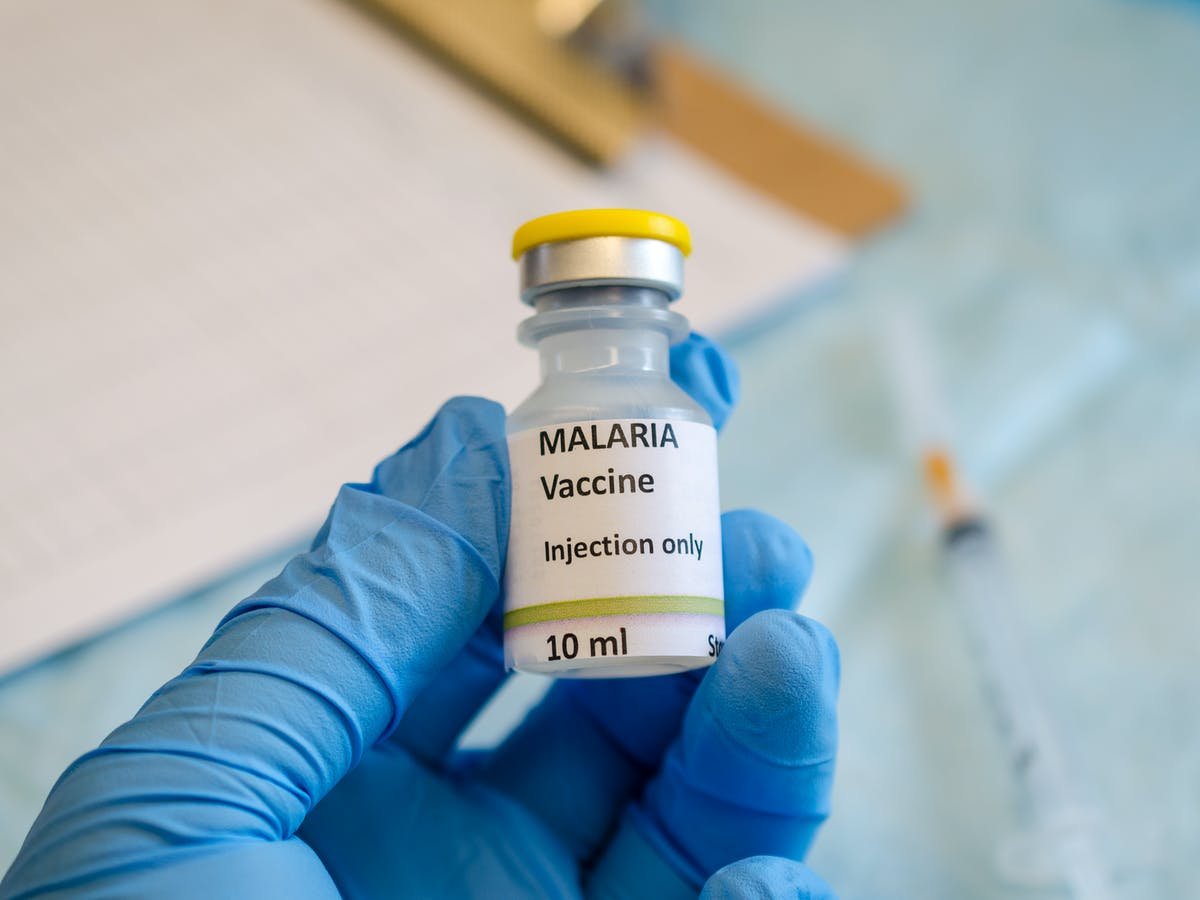
The National Health Surveillance Agency of Brazil (Anvisa) gave the green light this Wednesday to the start of clinical trials in humans of “Vivaxin”, an experimental immunizer designed to combat malaria caused by the species Plasmodium vivax.
The regulatory decision marks a milestone in Latin American biotechnological research, as it is the first vaccine project directed specifically against the type of parasite predominant in the American continent and Asia, for which there is no authorized commercial vaccine.
Phase 1 of the clinical trial will recruit 48 healthy volunteers between 18 and 59 years of age with no history of infection, who will be evaluated at the Clinical Research Center of the Hospital de las Clínicas of the Federal University of Minas Gerais (UFMG), in Belo Horizonte.
The study is led by an academic-scientific consortium made up of UFMG, the University of São Paulo (USP) and the pharmaceutical company Cristália, with the support of the biotechnology center CT-Vacinas.
The experimental protocol includes three doses administered with 28-day intervals and 12-month medical follow-up to determine the safety of the drug, the tolerance of the test groups, and the primary immune response.
Unlike the two immunizers approved by the World Health Organization (RTS,S and R21/Matrix-M)—focused on Plasmodium falciparumpredominant on the African continent—the Brazilian proposal aims to control a species that represented 63.1% of the cases in the Americas during 2024.
Epidemiological data indicate that more than 99% of the infections registered in Brazil They are concentrated in the Amazon region, so the success of the subsequent clinical trial stages will be key for public health strategies in the tropical biome.
“Through the resolution approved by Anvisa, we authorize both the clinical development and research of the vaccine candidate Vivaxin. This first phase will focus on measuring safety, possible adverse reactions and the body’s ability to generate antibodies,” said the experimental laboratory CT-Vacinas.
The researchers clarified that the evaluation of the protective efficacy of the vaccine will require the completion of this initial phase to advance towards massive tests in endemic areas of the Amazon basin.
If it exceeds immunogenicity and biosafety standards, “Vivaxin” is emerging as a decisive tool for the regional eradication of malaria, a disease that generates nearly 10 million annual infections. Plasmodium vivax on a global scale.