Havana/The Roche Prize for Health Journalism 2026, in the category of Written Journalism, was awarded this Wednesday to an investigation into corruption in the healthcare system. public health Cuban made by Luz Escobar, Mel Herrera, Laura Vargas and Náyare Menoyo and published in July 2025 on the Casa Palanca website.
He reportagetitled Silent privatization: corrupt practices in the Cuban National Health Systemwas chosen among 319 works presented in its category, indicated the Gabo Foundation in San José, Costa Rica, where the award was given. In total, the international competition, organized by the Swiss pharmaceutical company Roche through its Latin American division, with the technical secretariat of the Gabo Foundation, received 699 applications from 20 countries.
Palanca House is an independent collective created in 2021 by Cuban journalists and activists residing inside and outside the Island. It emerged with the purpose of offering protection and support to women and non-binary people linked to journalism, and also develops investigations with a gender perspective and a human rights approach.
The jury considered that the investigation addresses a problem that is “extremely sensitive and difficult to document in a context of strong institutional opacity.”
He jurymade up of journalists Roxana Tabakman, from Argentina, and Nuño Domínguez, from Spain, with the advice of the Spanish doctor Joan Carles March Cerdá and the Colombian Carmen Eugenia Dávila, an expert in health economics, considered that the investigation addresses a problem that is “extremely sensitive and difficult to document in a context of strong institutional opacity.”
They also defined it as “a notable journalistic initiative that circumvents censorship on the Island,” and valued the combination of testimonies, surveys, legal analysis and economic data to demonstrate the extent of illegal charges.
The work, prepared with figures from the CubaData platform, managed by Pablo Díaz Espí –director of Cuban Diary– and from the National Office of Statistics and Information (Onei), includes a survey of 2,141 residents in Cuba at the beginning of 2025. According to the study, 74.3% of those who needed medical attention paid for services or medications that should be free, while 78% resorted to personal contacts to obtain consultations, treatments or diagnoses.
80.1% of those surveyed needed health care during the previous year, but only 9.2% were always able to obtain the required services. More than half, 54.6%, received assistance only sometimes and another 13% never managed to access it.
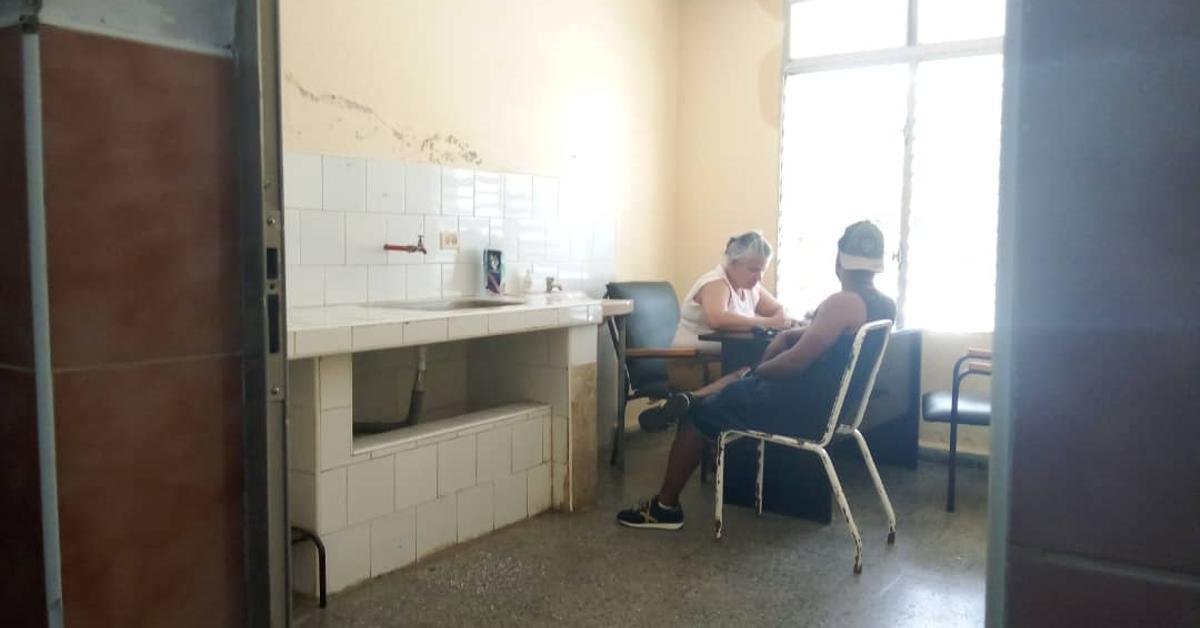
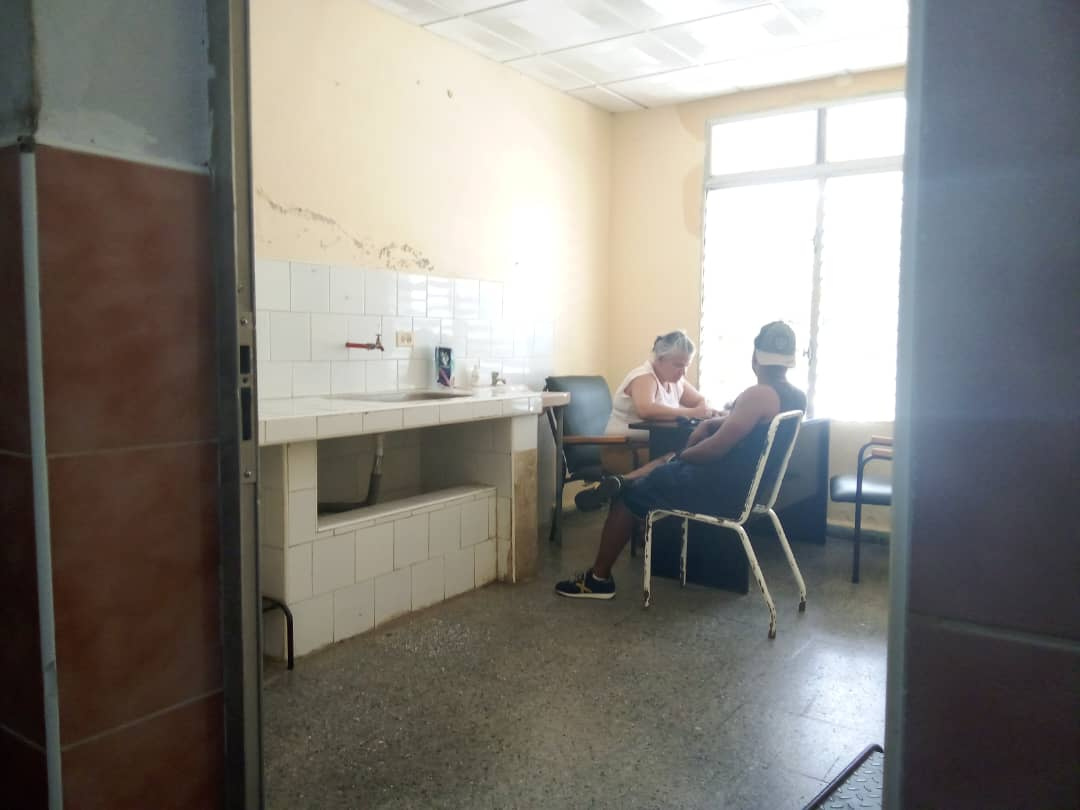
The investigation describes a network of intermediaries and employees who facilitate consultations, operations, diagnoses and medications in exchange for money or favors.
Research puts numbers into reality documented by the independent pressand describes a network of intermediaries and healthcare employees who provide consultations, operations, diagnoses and medications in exchange for money or favors. Among the factors that fuel this informal market are the lack of medical instruments, the exodus of professionals and the impossibility of accessing numerous treatments through the usual means.
One of the documented cases is that of Dianelis, a patient from Santiago de Cuba who, after six years of waiting, paid 25,000 pesos for a fibroid operation. In addition, he had to buy the necessary instruments. Another woman, Arysa Hernández, a resident of Havana, reported that she paid 10,000 and 15,000 pesos for two hospital admissions and their respective cesarean sections.
Collections also achieve simpler procedures. A consultation accompanied by dental fillings can cost between 700 and 2,000 pesos, while a tooth extraction reaches 3,000. The use of X-ray equipment can require up to 1,500 pesos, despite being public services.
The report examines the deterioration of hospitals, aggravated by the lack of medications, anesthesia, reagents and surgical instruments, and the exodus of professionals
The report also examines the deterioration of hospitals, aggravated by the lack of medications, anesthesia, reagents and surgical instruments, as well as the exodus of professionals. For many patients, the alternatives boil down to enduring long waits, forgoing treatments, or paying to get them.
The authors describe this phenomenon as a “covert privatization” of the Cuban health system, which deepens inequalities and leaves patients with fewer resources in a situation of special vulnerability, even in the face of medical emergencies.
The investigation recalls that the Cuban authorities themselves have recognized crimes related to the theft and diversion of health resources, as well as the illegal sale of services, medicines and supplies. In April 2025, Granma reported that these practices were among the negative trends detected in the annual balance of the Ministry of Public Health.
“This recognition means a lot to us and, especially, to independent Cuban journalism,” wrote Luz Escobar.
“This recognition means a lot to us and, especially, to independent Cuban journalism,” wrote Luz Escobar, contributor to 14ymedioin the Gabo Foundation’s Facebook post that announced the award. The journalist pointed out that investigating the health situation on the Island was “an enormous challenge,” but also a responsibility to those who entrusted their stories to the team.
“We receive this award on behalf of Casa Palanca, CubaData and all the people who made it possible The silent privatization“added Escobar.
The winning teams of the fourteenth edition of the Roche Award received a trophy and a diploma, and a representative of each one will be able to attend the Gabo 2027 Festival, in Bogotá, with their expenses covered.