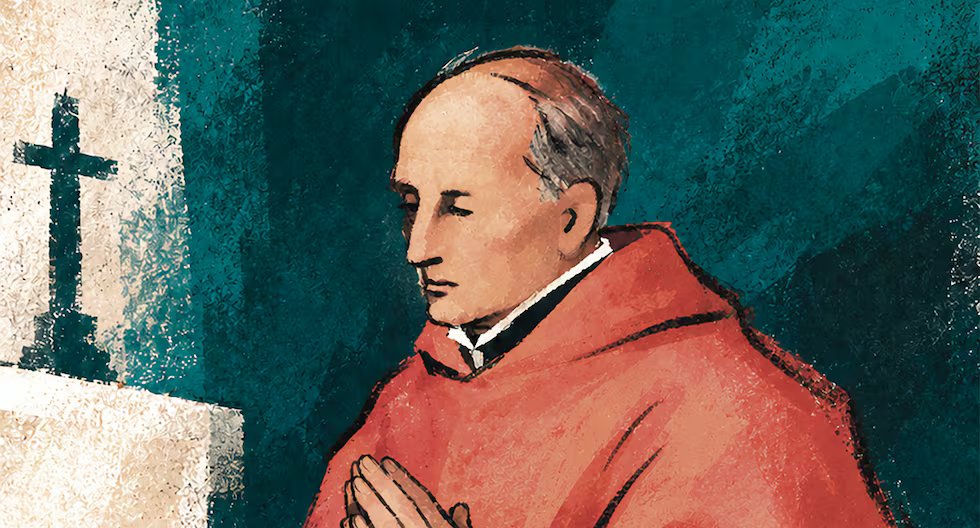
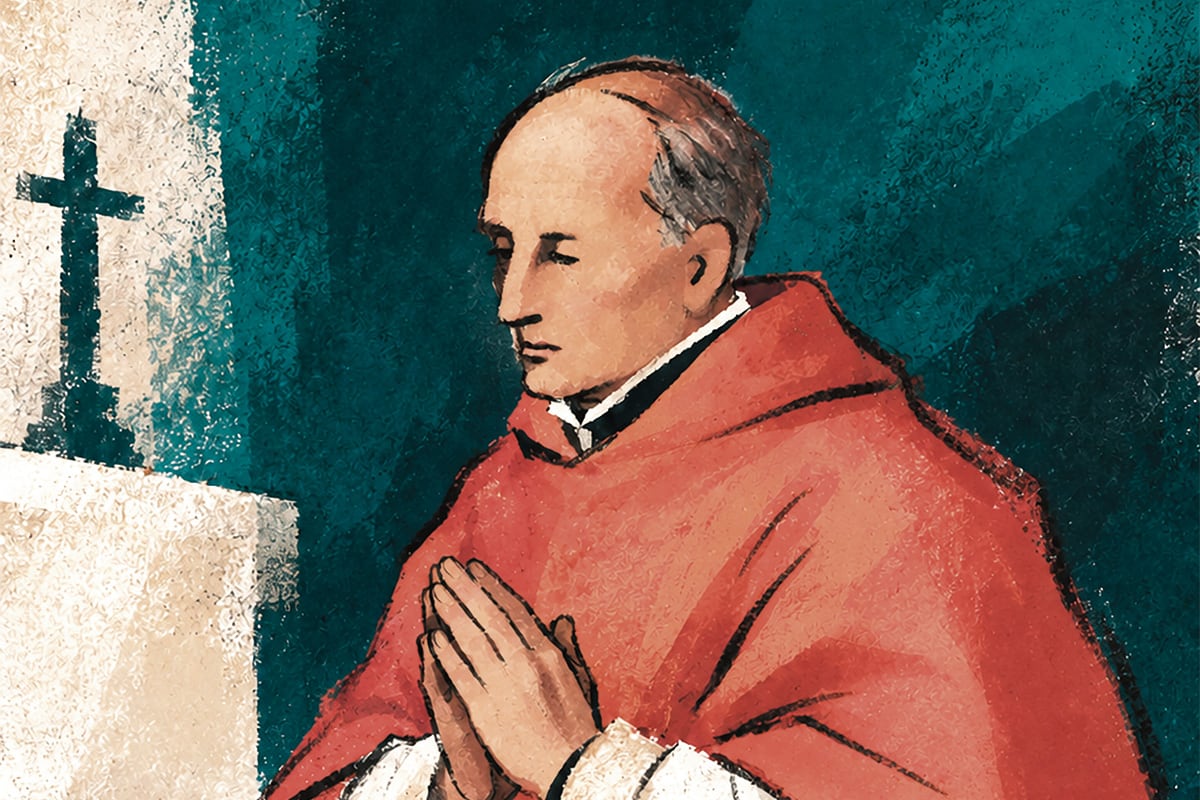
Four centuries before Robert Prevost arrived in Peru for the first time, another shepherd of souls from afar set foot on these lands. Like that, he had a long ministry among us, serving as head of the Peruvian Church between the years of 1581 and 1606. He did not become Pope, but he did become a saint, and he was consecrated as such by the Vatican in December 1726. We are thus a few weeks away from celebrating the third centenary of the canonization of one of the main representatives of the numerous saints of this land, who these days seems to exude more political hatred than Christian piety.
Toribio Alfonso de Mogrovejo came into this world in Mayorga, a town in Spain, in 1538, within a family of feudal nobility, which had drifted towards literature. His most recent biographer, José Antonio Benito, reports that one of his uncles was one of the conquistadors who captured the Inca Atahualpa in Cajamarca, and died shortly after as a victim of galgadas by the Jauja Indians.
The young Toribio trained in canon law and in 1579, when he was serving as inquisitor in Granada and was around 40 years old, he was proposed by King Philip II to occupy the archbishopric of Lima. In fact, Mogrovejo, along with his predecessor in office, Jerónimo de Loayza, and his successor, Bartolomé Lobo Guerrero, were the heads of the Catholic religion in Peru who set the tone for a Church committed to the defense of the Indians and blacks against the ambitions of the Spanish colonists, who in their version of encomenderos, landowners, mining or textile entrepreneurs, exploited their work until there was no wax left in their ears, to use a graphic expression of the era.
Of the three, Mogrovejo is known for his missionary spirit. Of the 24 years that his ministry lasted among us, he spent 17 on his pastoral visits, mainly in the provinces of the coast and northern mountains. In these tours, made on muleback or on foot, he took care to enforce the agreements of the councils and synods that he organized, such as indoctrinating the Indians in their own languages, settling them in towns (“reductions”) built under the model of the rural villages of Spain, where their homes had a door to the street, so that they could be visited (and controlled), erecting hospitals where the poor could be cared for in their homes. ailments, and schools to instruct them in the Spanish language and the first letters. Priests who did not master the native language after a year would suffer a deduction of one third of their salary.
He also ensured that the priests did not charge fees to the Indians for their services and made sure that they abandoned their old religious practices, such as those that included animal sacrifices, cranial deformations or body mutilations, and harmonized their mating and marriage practices with the rules of the new religion that was imposed under these skies.
A church so active and zealous in its defense of the poor came into collision with power. Through one of his “traditions,” Ricardo Palma disclosed the confrontations that the archbishop had with Viceroy García Hurtado de Mendoza, over the delimitation of the border between what belonged to Caesar and what belonged to God.
Death occurred to Mogrovejo when he was making his third visit, and he said goodbye to this world in Zaña in March 1606. His figure reminds us that, in the colonization of Peru and the forging of its identity and social fabric, the Church was a leading protagonist, by virtue of tenacious and selfless, and surely also controversial, characters, such as the ‘Almoner of Lima’, as he was known for the austerity with which he lived and the generosity with which he He filled those who came to him.