A research group must examine four areas in the work with the historical investigation.
The relationship between Greenland and Denmark from the time after the Second World War until today must be scrutinized.
The Danish and Greenlandic governments agreed on this in 2022 and started work on a historical investigation.
Now the project plan for that investigation is ready.
This is what Ilisimatusarfik writes in a press release.
The project plan brings together the work in four projects. They must examine adoption processes and their consequences; the experiences of people who grew up legally fatherless; the importance of school for language and identity; as well as how, among other things, closures of residences, population movements and developments in the labor market affected people and society.
– We begin with four important projects, each of which illuminates specific decisions and their consequences. At the same time, they can help us understand connections across the period – for example between school, settlement, work and people’s opportunities to shape their own lives, says research leader Tenna Jensen.
Focus on citizen involvement
Historical Investigation is based at Ilisimatusarfik, and the project is part of the university’s development of secure digital infrastructure, administrative processes and support for research collaboration across Kalaallit Nunaat and Denmark.
– As an Arctic university, Ilisimatusarfik develops together with the research we house. The systems and competences we are building through Historical Investigation are already benefiting our researchers and students and will strengthen the university even after the end of the project, says Rector Mari Kleist.
The Historical Investigation’s research management, which consists of Daniel Thorleifsen and Tenna Jensen, was appointed in February 2024, and has since worked together with a professional group of experts to define the investigation’s sub-projects – and with Ilisimatusarfik to build the project secretariat and establish the necessary infrastructure. In addition to describing the content of the projects, the project plan contains the timetable, budget and framework for citizen involvement.
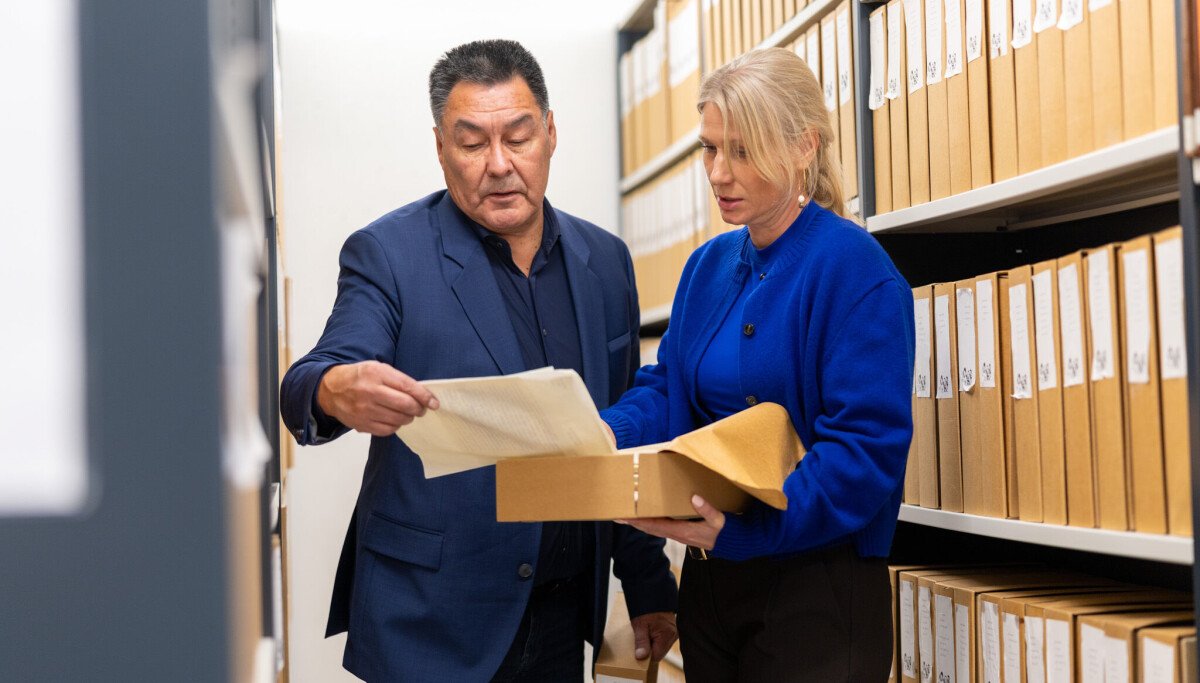
– Historical documents can tell us what was decided. People’s accounts can show how the decisions were experienced and gained importance in everyday life. Both parts are necessary in this sensitive work, and therefore citizen involvement is crucial for the entire project, says research leader Daniel Thorleifsen.
The investigation will be carried out as far as possible within a period of five years, says the commission. The investigation will receive total funding of DKK 45 million from Denmark.