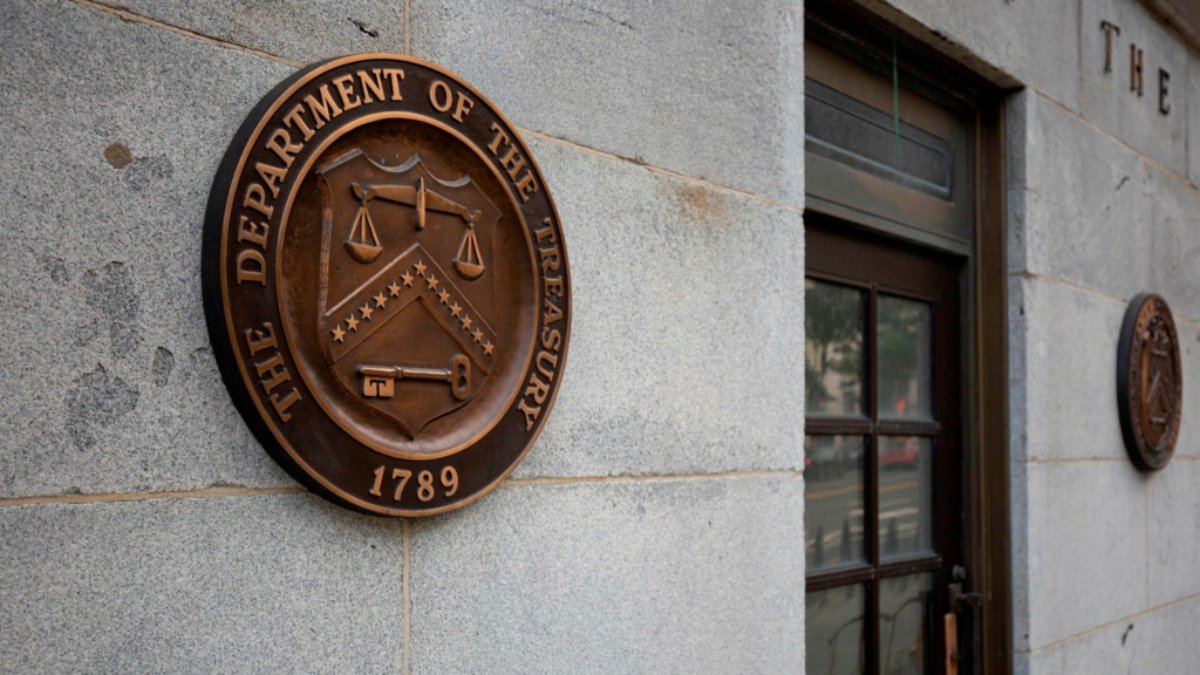
This Monday, September 28, the United States expanded the number of operations that can be carried out under authorization in strategic sectors of Venezuela, after the Office of Foreign Assets Control (OFAC) of the Treasury Department will replace three general licenses related to oil, the supply of goods and services and new investments.
The update covers general licenses 46E, 48D and 498, which replace versions 46D, 48C and 49A. Although the new provisions allow progress in certain economic activities, their scope is delimited by specific conditions and does not imply the elimination of all US restrictions on Venezuela.
One of the changes focuses on possible investments. Through General License 498, OFAC authorizes the negotiation and signing of contracts conditioned to oil-related projectsgas, petrochemicals and electricity.
Interested companies may carry out commercial, legal, technical, environmental and safety studies as part of this process to evaluate the projects. The authorization, however, does not automatically enable the execution of the agreements: subsequent and separate approval from OFAC will be necessary to implement them.
Oil operations are authorized under new conditions and restrictions
The new framework also modifies the conditions for certain oil operations. The 46E General License allows US companies incorporated before January 29, 2025 to develop activities related to the extraction, marketing, export, storage, transportation and Venezuelan oil refiningor, in addition to petrochemical products destined for the United States.
The authorized operations also include maritime transport services, insurance, logistics and port activities. In contracts that involve the Venezuelan State or entities of Petróleos de Venezuela (PDVSA), Mechanisms for dispute resolution should be incorporated in the United States, the United Kingdom, France or Singapore.
The regulations also establish a specific mechanism for payments that correspond to blocked persons. These resources must be deposited in funds designated by the US Treasury Department.
The oil permit maintains, however, several exclusions. Operations with persons or entities linked to Russia, Iran, North Korea and Cuba remain restricted, as do certain transactions related to China, blocked vessels and goods that remain under blockade measures.
Companies that use the license to ship Venezuelan oil to markets other than the United States will also have to submit detailed reports on those operations.
New regulations allow technological supplies
In parallel, General License 48D expands the type of supplies that can arrive from the United States or be provided by US citizens for energy activities in Venezuela. The authorization includes goods, technology, programs and services intended for the exploration, development and production of oil, gas and petrochemical products.
The scope extends to the electricity sector and includes certain generation, transmission, storage and distribution activities. It also includes maintenance and repair of equipment, as well as some transportation and logistics services.
The license establishes two specific limits: it does not allow the creation of new joint ventures for the contemplated activities nor does it authorize the shipment of diluents to Venezuela.
Despite the expansion of these operations, companies that take advantage of the new licenses must comply with other US federal regulations and the requirements established by agencies such as the Department of Commerce.