Tuesday, September 29, 2026
    The GeoStrategic Consensus
    No Result
    View All Result
    • Login
    • HOME
    • AMERICAS
      • Argentina
      • Brazil
      • Canada
      • Chile
      • Colombia
      • Costa Rica
      • Cuba
      • Dominican Republic
      • Ecuador
      • El Salvador
      • Greenland
      • Guatemala
      • Honduras
      • Mexico
      • Nicaragua
      • Panama
      • Paraguay
      • Peru
      • United States
      • Uruguay
      • Venezuela
    • ASIA-PACIFIC
      • Australia
      • Brunei Darussalam
      • Cambodia
      • China
      • Federated States of Micronesia
      • Fiji
      • Indonesia
      • Japan
      • Kiribati
      • Laos
      • Malaysia
      • Marshall Islands
      • Mongolia
      • Myanmar
      • Nauru
      • New Zealand
      • North Korea
      • Palau
      • Papua New Guinea
      • Philippines
      • Samoa
      • Singapore
      • Solomon Islands
      • South Korea
      • Taiwan
      • Thailand
      • Timor-Leste
      • Tonga
      • Tuvalu
      • Vanuatu
      • Vietnam
    • CARICOM
      • CARICOM – Non-English
        • Haiti
        • Suriname
      • CARICOM Associates
        • Anguilla
        • Bermuda
        • British-Virgin-Islands
        • Cayman-Islands
        • Curacao
        • Turks-and-Caicos
      • CARICOM English
        • Antigua and Barbuda
        • Barbados
        • Belize
        • Dominica
        • Grenada
        • Guyana
        • Jamaica
        • Montserrat
        • Saint Kitts and Nevis
        • Saint Lucia
        • Saint Vincent and the Grenadines
        • The Bahamas
        • Trinidad and Tobago
    • EURASIA
      • Armenia
      • Azerbaijan
      • Balarus
      • Georgia
      • Kazakhstan
      • Kyrgyzstan
      • Moldova
      • Russia
      • Tajikistan
      • Turkmenistan
      • Ukraine
      • Uzbekistan
    • EUROPE
      • Albania
      • Andorra
      • Austria
      • Bosnia and Herzegovina
      • Bulgaria
      • Croatia
      • Cyprus
      • Czech Republic
      • Denmark
      • Estonia
      • Finland
      • France
      • Germany
      • Greece
      • Holy See
      • Hungary
      • Iceland
      • Ireland
      • Italy
      • Kosovo
      • Latvia
      • Liechtenstein
      • Lithuania
      • Luxembourg
      • Malta
      • Monaco
      • Montenegro
      • Netherlands
      • North Macedonia
      • Norway
      • Poland
      • Portugal
      • Romania
      • San Marino
      • Serbia
      • Slovakia
      • Slovenia
      • Spain
      • Sweden
      • Switzerland
      • United Kingdom
    • MIDDLE EAST AND NORTH AFRICA
      • Algeria
      • Bahrain
      • Egypt
      • Iran
      • Iraq
      • Israel
      • Jordan
      • Kuwait
      • Lebanon
      • Lybia
      • Morocco
      • Oman
      • Palestinian Territories
      • Qatar
      • Saudi Arabia
      • Syria
      • Tunisia
      • Turkey
      • United Arab Emirates
      • Western Sahara
      • Yemen
    • SOUTH ASIA
      • Afghanistan
      • Bangladesh
      • Bhutan
      • India
      • Maldives
      • Nepal
      • Pakistan
      • Sri Lanka
    • SUB-SAHARAN AFRICA
      • Angola
      • Benin
      • Botswana
      • Burkina Faso
      • Burundi
      • Cabo Verde
      • Cameroon
      • Central African Republic
      • Chad
      • Comoros
      • Cote d’Ivoire
      • Democratic Republic of the Congo
      • Djibouti
      • Equatorial Guinea
      • Eritrea
      • Eswatini
      • Ethiopia
      • Gabon
      • Gambia
      • Ghana
      • Guinea
      • Guinea Bissau
      • Kenya
      • Lesotho
      • Liberia
      • Madagascar
      • Malawi
      • Mali
      • Mauritania
      • Mauritius
      • Mozambique
      • Namibia
      • Niger
      • Nigeria
      • Republic of the Congo
      • Rwanda
      • Sao Tome and Principe
      • Senegal
      • Seychelles
      • Sierra Leone
      • Somalia
      • South Africa
      • South Sudan
      • Sudan
      • Tanzania
      • Togo
      • Uganda
      • Zambia
      • Zimbabwe
    • HOME
    • AMERICAS
      • Argentina
      • Brazil
      • Canada
      • Chile
      • Colombia
      • Costa Rica
      • Cuba
      • Dominican Republic
      • Ecuador
      • El Salvador
      • Greenland
      • Guatemala
      • Honduras
      • Mexico
      • Nicaragua
      • Panama
      • Paraguay
      • Peru
      • United States
      • Uruguay
      • Venezuela
    • ASIA-PACIFIC
      • Australia
      • Brunei Darussalam
      • Cambodia
      • China
      • Federated States of Micronesia
      • Fiji
      • Indonesia
      • Japan
      • Kiribati
      • Laos
      • Malaysia
      • Marshall Islands
      • Mongolia
      • Myanmar
      • Nauru
      • New Zealand
      • North Korea
      • Palau
      • Papua New Guinea
      • Philippines
      • Samoa
      • Singapore
      • Solomon Islands
      • South Korea
      • Taiwan
      • Thailand
      • Timor-Leste
      • Tonga
      • Tuvalu
      • Vanuatu
      • Vietnam
    • CARICOM
      • CARICOM – Non-English
        • Haiti
        • Suriname
      • CARICOM Associates
        • Anguilla
        • Bermuda
        • British-Virgin-Islands
        • Cayman-Islands
        • Curacao
        • Turks-and-Caicos
      • CARICOM English
        • Antigua and Barbuda
        • Barbados
        • Belize
        • Dominica
        • Grenada
        • Guyana
        • Jamaica
        • Montserrat
        • Saint Kitts and Nevis
        • Saint Lucia
        • Saint Vincent and the Grenadines
        • The Bahamas
        • Trinidad and Tobago
    • EURASIA
      • Armenia
      • Azerbaijan
      • Balarus
      • Georgia
      • Kazakhstan
      • Kyrgyzstan
      • Moldova
      • Russia
      • Tajikistan
      • Turkmenistan
      • Ukraine
      • Uzbekistan
    • EUROPE
      • Albania
      • Andorra
      • Austria
      • Bosnia and Herzegovina
      • Bulgaria
      • Croatia
      • Cyprus
      • Czech Republic
      • Denmark
      • Estonia
      • Finland
      • France
      • Germany
      • Greece
      • Holy See
      • Hungary
      • Iceland
      • Ireland
      • Italy
      • Kosovo
      • Latvia
      • Liechtenstein
      • Lithuania
      • Luxembourg
      • Malta
      • Monaco
      • Montenegro
      • Netherlands
      • North Macedonia
      • Norway
      • Poland
      • Portugal
      • Romania
      • San Marino
      • Serbia
      • Slovakia
      • Slovenia
      • Spain
      • Sweden
      • Switzerland
      • United Kingdom
    • MIDDLE EAST AND NORTH AFRICA
      • Algeria
      • Bahrain
      • Egypt
      • Iran
      • Iraq
      • Israel
      • Jordan
      • Kuwait
      • Lebanon
      • Lybia
      • Morocco
      • Oman
      • Palestinian Territories
      • Qatar
      • Saudi Arabia
      • Syria
      • Tunisia
      • Turkey
      • United Arab Emirates
      • Western Sahara
      • Yemen
    • SOUTH ASIA
      • Afghanistan
      • Bangladesh
      • Bhutan
      • India
      • Maldives
      • Nepal
      • Pakistan
      • Sri Lanka
    • SUB-SAHARAN AFRICA
      • Angola
      • Benin
      • Botswana
      • Burkina Faso
      • Burundi
      • Cabo Verde
      • Cameroon
      • Central African Republic
      • Chad
      • Comoros
      • Cote d’Ivoire
      • Democratic Republic of the Congo
      • Djibouti
      • Equatorial Guinea
      • Eritrea
      • Eswatini
      • Ethiopia
      • Gabon
      • Gambia
      • Ghana
      • Guinea
      • Guinea Bissau
      • Kenya
      • Lesotho
      • Liberia
      • Madagascar
      • Malawi
      • Mali
      • Mauritania
      • Mauritius
      • Mozambique
      • Namibia
      • Niger
      • Nigeria
      • Republic of the Congo
      • Rwanda
      • Sao Tome and Principe
      • Senegal
      • Seychelles
      • Sierra Leone
      • Somalia
      • South Africa
      • South Sudan
      • Sudan
      • Tanzania
      • Togo
      • Uganda
      • Zambia
      • Zimbabwe
    No Result
    View All Result
    Agentially
    No Result
    View All Result
    Home AMERICAS Peru

    Camisea II – Part 1: The urgency of gas, by Jorge Chamot and Jorge F. Chamot

    The Analyst by The Analyst
    September 28, 2026
    in Peru
    Camisea II – Part 1: The urgency of gas, by Jorge Chamot and Jorge F. Chamot


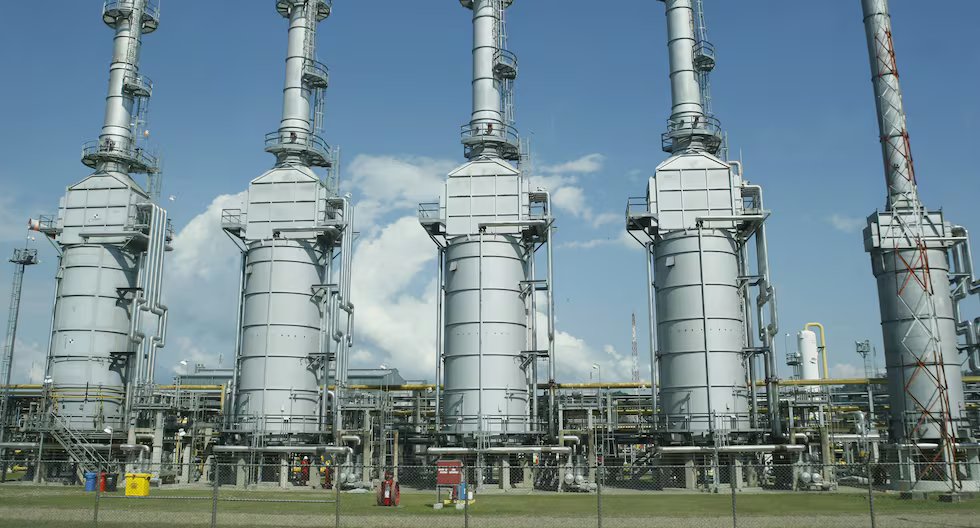
    It took a long time (more than 20 years) to get Camisea made. Thanks to this we have gas in many homes, even if it is LPG in cylinders (others are luckier, natural gas through pipes), in vehicles (saving the cost of gasoline), use in many industries, restaurants…, and most importantly, it served as an anchor for electricity generation (more than 40% of the electricity in the country is generated with natural gas). Thousands of jobs and an entire activity around gas were created; A lot of money has been invested in assets to use it, as well as distribution networks, warehouses, distribution companies, delivery people in trucks, forklifts, etc.

    READ ALSO

    María Elvira Salazar vs. Donald Trump: why do they clash over immigration policy and what could happen in the elections in Florida? | USA

    Peruvian electoral map | The unusual map of the 2026 Regional and Municipal Elections: Single candidates would be elected by ‘walkover’ while other constituencies are close to 30 applicants

    Can we imagine now if the gas supply runs out or the infrastructure is disabled for a long time or permanently? … It already happened a short time ago, but since it could be solved relatively quickly (the repair of the TGP gas pipeline) and we managed to continue life in the meantime, well, we are sort of forgetting about the issue.

    But with the current Camisea gas contract and the way the system is structured today, the gas will run out in, say, 14 years. But not abruptly: a few years before the decrease in production will begin because the end of the contract is approaching and, obviously, the contractor no longer has any interest in continuing to invest to maintain it, since he will not be able to recover his investment. That is, we are already there; Let’s say that the volumes from now will not be available in 9 years.

    But the urgency must be resolved much sooner. Being optimistic, there is a process that means deciding what to do (1 year), making tenders and negotiating contracts (1 year), confirming new reserves (1 year), building new infrastructure (3 or 4 years), developing demand that involves investments once the gas is secured (1 year), etc. We must talk seriously now. Why take the risk in such a situation?

    We have previously talked about CAMISEA II. We define it as “Directly connecting the Camisea and Candamo fields with the Southern regions and, based on that infrastructure, significantly expanding and industrializing the use of natural gas and its liquids in the South and increasing its use throughout the country.”

    We have called it CAMISEA II to differentiate it from what we will call CAMISEA I, which is the project that is fully operational today (Note 1). It is worth remembering that since 2000, within the original plans of the Government of President Alberto Fujimori, the idea of ​​moving towards a network of gas pipelines that would connect the Camisea fields with the main existing and potential markets of the country already existed (Note 2).

    Within that vision, a connection to the South constituted one of the natural expansion stages of the project. Today, more than two decades later, that connection remains pending. And the question we must ask ourselves is whether Peru can afford to wait another twenty years.

    The recent crisis

    But today CAMISEA II becomes more evident with what has happened in recent months. Let’s make it very clear: what has happened is going to happen again, whether because the equipment wears out, or due to the effects of climate changes, or simply because nothing is assured in systems as complex as the energy supply; That is, there is a vulnerability in the system.

    1.- The interruption of the supply of the TGP gas pipeline to the coast demonstrates the risk of depending on a single natural gas transmission route, which not only caused a supply crisis, but also had consequences on the prices of traditional energy sources and the alternatives available throughout the country, including the South, with the economic effects already known.

    Beyond the specific circumstances of that incident, a structural weakness was once again evident, which is that the country continues to depend excessively on a natural gas infrastructure that does not have sufficient alternatives or backup routes. What we have experienced has nothing directly to do with the South; Those who suffered the most were those from Lima, but it affected everyone.

    2.- The interruption of the Pan-American highway in the Arequipa region once again showed another problem that for years has been attempted to be resolved through partial solutions. The LPG produced from CAMISEA I liquids at the fractionation plant in Pisco, as well as CNG, NGV and LNG, also sent from the Ica region, where dry natural gas arrives, currently arrive in the South by road.

    Obviously, when the highway is interrupted, it impacts the energy supply of an important part of the country. The problem is not only the price of fuel or other energy sources; is the vulnerability of the supply chain, with the economic and social implications of the case (Note 3).

    The solution

    This recent crisis is not a consequence of temporary events, but rather the problem, and the latent probability that it will happen again, is structural. We would not like to be pessimistic, but next time it will be worse and the economic and social (and political) impact will be much greater.

    The population of the South will continue to grow; Economic growth, with the new impulse from the government, will be more evident and will demand much more consumption of different energy sources; the effects of climate change are not going to disappear; and, finally, if we have the resources, the entire country expects us to take advantage of them. We propose that CAMISEA II is a logical, possible, necessary and now urgent response to this structural problem.

    In the next articles we will address what CAMISEA II means, what its scope would be, what infrastructure it would require, how it could become a new platform for the economic development of the South and the country. The issue lies in making the decision to propose it, study it and execute it.

    The “big picture” implications

    When the convenience of developing this network of gas pipelines, with parallel connections and eventually rings, was raised, precisely to reduce this vulnerability, the concept was not invented. It is similar to that applied in the high-voltage electrical transmission system through the rings that began to be developed in the 90s, which still prevails today, and which allowed the integration of the country’s large electrical systems, especially after the inauguration of the Mantaro-Socabaya trunk.

    We have to consider that CAMISEA II serves:

    • energy security, which requires a more robust infrastructure; In strategic infrastructure, redundancy is not a luxury;
    • In the case of the South, it cannot continue depending on obviously vulnerable logistics that have no alternatives;
    • There are cold reserve generation plants that were built with natural gas in mind: idle capacity because the South does not have gas;
    • The much-mentioned massification of gas, which today is subsidized, means making large volumes of gas available to the market at competitive prices. More infrastructure and more production are needed;
    • Availability will have to come not only from the lots currently in exploitation, but also by highlighting other lots in Camisea, as well as Candamo’s discoveries in Madre de Dios (Note 4);
    • There is a window of opportunity that will not remain open indefinitely. We must be aware of Argentina’s challenge with its aggressive foray into the new energy geopolitics (Note 5).

    It is not just about bringing gas to the South. It is about asking ourselves which country we want to continue building, taking advantage of the natural gas we have. The South has waited long enough. It’s like the surfer who patiently waits for the ideal wave to ride it and has missed bumps that could have been ideal, but he simply didn’t take advantage of them.

    Grades

    1. Today’s Camisea is not only a successful project, but a crucial component of the Peruvian energy matrix, both in electricity generation and in the demand for liquid hydrocarbons. For example, to measure its importance, it is relevant to consider the weight of natural gas liquids from Camisea (75,000 barrels per day) within the national hydrocarbon production (110,000 barrels per day). We only produce 35,000 barrels of crude oil per day; The rest of the crude oil for the refineries, as well as the finished products to meet the demand of around 290,000 barrels per day, have to be imported.
    2. In the original plans, what we today call CAMISEA I corresponded to a first stage. A second stage contemplated expansion through a network of gas pipelines, including a trunk to the South, while a third stage considered the development of petrochemicals and development poles. Our proposal is to integrate these visions of the second and third stages in CAMISEA II, which we consider that, by facing it in a single package, the execution of the still pending stages is efficiently improved.
    3. The emergency, we know, even demanded a multisectoral reaction from the government, including the prompt visit of the President of the Republic and some ministers, and the operational deployment of the Armed Forces.
    4. It is important to remember an idea that we have raised on other occasions: “Buried resources are not wealth.” Wealth appears only when these resources can be developed, monetized and transformed through the investment of private companies, which create jobs, build infrastructure, promote economic activity and produce well-being. Natural resources belong to the Nation and, therefore, to all Peruvians. The challenge is to create the conditions so that they can be used responsibly for the benefit of the country as a whole.
    5. We cannot ignore that, while Peru has been discussing for years how to develop its gas resources, Argentina is advancing in the exploitation of the enormous Vaca Muerta fields, with extensive reserves of oil and natural gas. Argentine production is already changing the regional energy map by significantly expanding its gas exports.

    This raises a strategic question for Peru: Do we want to wait for Argentina to cover the markets that could be natural for our own resources to be produced with CAMISEA II, such as, in addition to our South, the north of Chile and Bolivia? The opportunity also has a time component… or we would not be surprised if, if CAMISEA II is not carried out, gas from Argentina would reach the South of Peru through gas pipelines already existing and in operation from Argentina to Chile and Bolivia.

    Source link

    Related Posts

    María Elvira Salazar vs. Donald Trump: why do they clash over immigration policy and what could happen in the elections in Florida? | USA
    Peru

    María Elvira Salazar vs. Donald Trump: why do they clash over immigration policy and what could happen in the elections in Florida? | USA

    September 29, 2026
    Peruvian electoral map | The unusual map of the 2026 Regional and Municipal Elections: Single candidates would be elected by ‘walkover’ while other constituencies are close to 30 applicants
    Peru

    Peruvian electoral map | The unusual map of the 2026 Regional and Municipal Elections: Single candidates would be elected by ‘walkover’ while other constituencies are close to 30 applicants

    September 28, 2026
    Reinfo in Congress: deputies hired people linked to informal mining
    Peru

    Reinfo in Congress: deputies hired people linked to informal mining

    September 28, 2026
    ERM | Electoral restrictions and prohibitions from this Monday, September 28. What are they and what cannot be done in the 2026 Regional and Municipal Elections?
    Peru

    ERM | Electoral restrictions and prohibitions from this Monday, September 28. What are they and what cannot be done in the 2026 Regional and Municipal Elections?

    September 28, 2026
    Plenty of talent: the country celebrates the excellent participation of Team Peru in the South American Games held in Argentina | Odesur
    Peru

    Plenty of talent: the country celebrates the excellent participation of Team Peru in the South American Games held in Argentina | Odesur

    September 28, 2026
    Price of the dollar in Peru 2026 how much is the dollar this Monday, September 28, at what exchange rate | rate | quote | purchase and sale according to BCRP | Dollars to soles | SBS | Ocoña | lbposting
    Peru

    Price of the dollar in Peru 2026 how much is the dollar this Monday, September 28, at what exchange rate | rate | quote | purchase and sale according to BCRP | Dollars to soles | SBS | Ocoña | lbposting

    September 28, 2026
    Next Post
    Molina warns that the heat in the places of origin can reduce the demand for snow

    Molina warns that the heat in the places of origin can reduce the demand for snow

    POPULAR NEWS

    2026 Regional and International Conventions of Jehovah’s Witnesses

    2026 Regional and International Conventions of Jehovah’s Witnesses

    July 7, 2026
    Thaksin, Yingluck and Paetongtarn meet Indonesian President Prabowo for investment talks

    Thaksin, Yingluck and Paetongtarn meet Indonesian President Prabowo for investment talks

    July 13, 2026
    This is how Nicolás Maduro and Cilia Flores reappeared in their hearing

    This is how Nicolás Maduro and Cilia Flores reappeared in their hearing

    July 24, 2026
    No deliverance: when gig workers fall prey to road accidents

    No deliverance: when gig workers fall prey to road accidents

    July 25, 2026

    All posts

    July 23, 2026

    EDITOR'S PICK

    Nayo Swan | Healthy eating, active living: We need action now | Health

    Nayo Swan | Healthy eating, active living: We need action now | Health

    June 24, 2026
    The opposition on the ‘foot’ blocks the pulpit/ SP approves with over 80 votes the reports of independent institutions, the new head of Public Procurement is also voted in – Shqip.com

    The opposition on the ‘foot’ blocks the pulpit/ SP approves with over 80 votes the reports of independent institutions, the new head of Public Procurement is also voted in – Shqip.com

    July 24, 2026
    Cuba: “The solution is going to be real estate, it can attract a lot of investment”

    Cuba: “The solution is going to be real estate, it can attract a lot of investment”

    July 27, 2026
    Why the higher education system needs a better system to deal with fake universities

    Why the higher education system needs a better system to deal with fake universities

    September 2, 2026

    Recent Posts

    • Florida asks court to bar OpenAI from developing new models as part of child harm lawsuit
    • Turkmenistan’s Goturdepe drilling exceeds eight-month target by 36%
    • "Edu" 15-October chein kamakta kaltyryldy
    • Resistant breeding: Two bananas meet

      © 2026 Agentially - Navigating shifting sovereignties and global risk .

      Welcome Back!

      Login to your account below

      Forgotten Password?

      Retrieve your password

      Please enter your username or email address to reset your password.

      Log In
      No Result
      View All Result
      • HOME
      • AMERICAS
        • Argentina
        • Brazil
        • Canada
        • Chile
        • Colombia
        • Costa Rica
        • Cuba
        • Dominican Republic
        • Ecuador
        • El Salvador
        • Greenland
        • Guatemala
        • Honduras
        • Mexico
        • Nicaragua
        • Panama
        • Paraguay
        • Peru
        • United States
        • Uruguay
        • Venezuela
      • ASIA-PACIFIC
        • Australia
        • Brunei Darussalam
        • Cambodia
        • China
        • Federated States of Micronesia
        • Fiji
        • Indonesia
        • Japan
        • Kiribati
        • Laos
        • Malaysia
        • Marshall Islands
        • Mongolia
        • Myanmar
        • Nauru
        • New Zealand
        • North Korea
        • Palau
        • Papua New Guinea
        • Philippines
        • Samoa
        • Singapore
        • Solomon Islands
        • South Korea
        • Taiwan
        • Thailand
        • Timor-Leste
        • Tonga
        • Tuvalu
        • Vanuatu
        • Vietnam
      • CARICOM
        • CARICOM – Non-English
          • Haiti
          • Suriname
        • CARICOM Associates
          • Anguilla
          • Bermuda
          • British-Virgin-Islands
          • Cayman-Islands
          • Curacao
          • Turks-and-Caicos
        • CARICOM English
          • Antigua and Barbuda
          • Barbados
          • Belize
          • Dominica
          • Grenada
          • Guyana
          • Jamaica
          • Montserrat
          • Saint Kitts and Nevis
          • Saint Lucia
          • Saint Vincent and the Grenadines
          • The Bahamas
          • Trinidad and Tobago
      • EURASIA
        • Armenia
        • Azerbaijan
        • Balarus
        • Georgia
        • Kazakhstan
        • Kyrgyzstan
        • Moldova
        • Russia
        • Tajikistan
        • Turkmenistan
        • Ukraine
        • Uzbekistan
      • EUROPE
        • Albania
        • Andorra
        • Austria
        • Bosnia and Herzegovina
        • Bulgaria
        • Croatia
        • Cyprus
        • Czech Republic
        • Denmark
        • Estonia
        • Finland
        • France
        • Germany
        • Greece
        • Holy See
        • Hungary
        • Iceland
        • Ireland
        • Italy
        • Kosovo
        • Latvia
        • Liechtenstein
        • Lithuania
        • Luxembourg
        • Malta
        • Monaco
        • Montenegro
        • Netherlands
        • North Macedonia
        • Norway
        • Poland
        • Portugal
        • Romania
        • San Marino
        • Serbia
        • Slovakia
        • Slovenia
        • Spain
        • Sweden
        • Switzerland
        • United Kingdom
      • MIDDLE EAST AND NORTH AFRICA
        • Algeria
        • Bahrain
        • Egypt
        • Iran
        • Iraq
        • Israel
        • Jordan
        • Kuwait
        • Lebanon
        • Lybia
        • Morocco
        • Oman
        • Palestinian Territories
        • Qatar
        • Saudi Arabia
        • Syria
        • Tunisia
        • Turkey
        • United Arab Emirates
        • Western Sahara
        • Yemen
      • SOUTH ASIA
        • Afghanistan
        • Bangladesh
        • Bhutan
        • India
        • Maldives
        • Nepal
        • Pakistan
        • Sri Lanka
      • SUB-SAHARAN AFRICA
        • Angola
        • Benin
        • Botswana
        • Burkina Faso
        • Burundi
        • Cabo Verde
        • Cameroon
        • Central African Republic
        • Chad
        • Comoros
        • Cote d’Ivoire
        • Democratic Republic of the Congo
        • Djibouti
        • Equatorial Guinea
        • Eritrea
        • Eswatini
        • Ethiopia
        • Gabon
        • Gambia
        • Ghana
        • Guinea
        • Guinea Bissau
        • Kenya
        • Lesotho
        • Liberia
        • Madagascar
        • Malawi
        • Mali
        • Mauritania
        • Mauritius
        • Mozambique
        • Namibia
        • Niger
        • Nigeria
        • Republic of the Congo
        • Rwanda
        • Sao Tome and Principe
        • Senegal
        • Seychelles
        • Sierra Leone
        • Somalia
        • South Africa
        • South Sudan
        • Sudan
        • Tanzania
        • Togo
        • Uganda
        • Zambia
        • Zimbabwe

      © 2026 Agentially - Navigating shifting sovereignties and global risk .

      This website uses cookies. By continuing to use this website you are giving consent to cookies being used. Visit our Privacy and Cookie Policy.