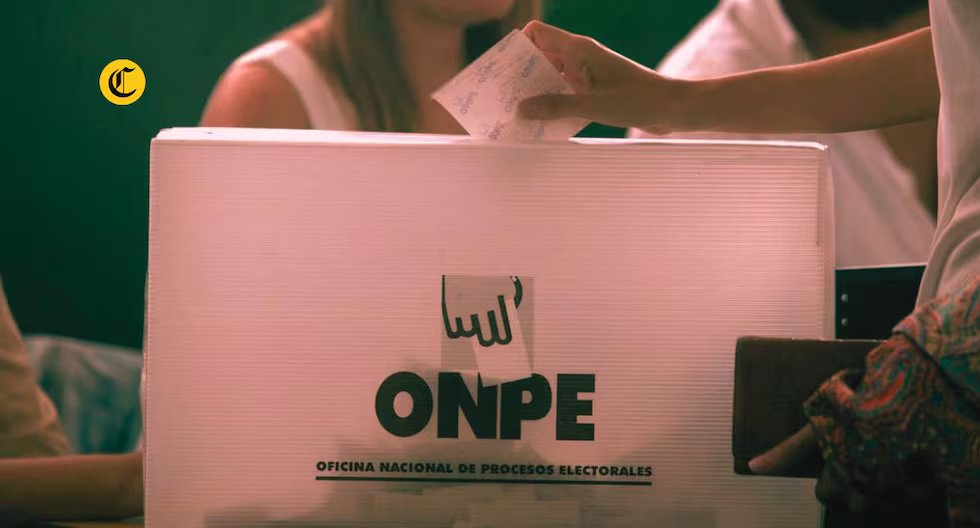

The electoral restrictions within the framework of the 2026 regional and municipal elections (ERM) take effect as of this Monday, September 28, when the prohibition of the dissemination and publication of voting intention surveys in the national media begins.
As is known, on Sunday, October 4, 26,314,648 Peruvians eligible to vote will have the responsibility of electing their regional and municipal authorities.
In Metropolitan Lima, 7,875,479 voters are authorized to go to the polls in the next municipal elections.
The race for Mayor of Lima will have an unprecedented number: 26 political groups will compete for the position.
This is Somos Perú (Carlos Bruce); Podemos Peru (Daniel Urresti); Works (Ricardo Belmont); Alliance for Progress (Elio Riera); Now Nation (Susel Paredes); Green Land (Yehude Simon); Purple Party (Victoria La Cruz); Frepap (Segundo Valdez); Patriotic Party of Peru (Sandro Caller); Battle Peru (Samir Quispe); Green Democratic Party (Flor Hurtado); Together for Peru (Oswaldo Vargas); and Conscious People (Luis Huette).
Front of Hope 2021 (Elizabeth León Chinchay) also participates; Peruvian Aprista Party (Mónica Yadira Yaya Luyo); Electoral Alliance We will Venceremos (Juan Carlos Alvarado Mestanza); Citizen Force (Rubén Daniel Bonilla Espinoza); Let’s progress (Luis Miguel Llanos Carrillo); the Popular Christian Party (PPC) (Edgardo Renán De Pomar Vizcarra); Advance Country (Francis Allison Oyague); Popular Action (Carlos Alberto Tejada Noriega); Vision Peru (Santiago Rosendo Abarca León); Popular Force (Samuel Marcos Daza Taype); and Good Government Party (Carlos Gallardo Neyra).
According to figures shared by the National Registry of Identification and Civil Status (Reniec), the districts that concentrate the largest number of voters are: San Juan de Lurigancho (818,365); San Martín de Porres (533,869); Tie (493.109); and Comas (448,793).
For these elections there are prohibitions that are contemplated in the Organic Law of Elections (LOE). What are they?
According to the rule, the publication or dissemination of surveys and projections of any nature on the results of the elections through the national media can be carried out until the Sunday before election day. That is, this ban starts on Monday, September 28.
In accordance with the electoral law, the political parties participating in this election can only hold their campaign closings or rallies until Thursday, October 1 at 11:59 p.m., starting the following day any type of public political demonstration is restricted.
Regarding electoral propaganda, the rule specifies that it can be carried out up to 24 hours before the elections, that is, until 11:59 p.m. on Friday, October 2.
Along these lines, the candidates’ participation in the media (interviews, conferences, debates, etc.) is also suspended. Which means that applicants will be able to carry out these activities until Friday at 11:59 p.m.
The dry law begins at 8:00 a.m. on Saturday, October 3, and ends at 8:00 a.m. on Monday, the 5th. A fine is established for establishments that do not comply with this restriction.
On Sunday, October 4, between 7:00 a.m. and 5:00 p.m., voter meetings are not permitted within a radius of less than 100 meters from the voting centers. It is also prohibited to take photos of the electoral card.
The rule establishes that arrests will only be appropriate in the case of flagrante delicto. Furthermore, both the representatives and the polling station members cannot be detained during election day, 24 hours before and 24 hours after.