Tuesday, September 22, 2026
    The GeoStrategic Consensus
    No Result
    View All Result
    • Login
    • HOME
    • AMERICAS
      • Argentina
      • Brazil
      • Canada
      • Chile
      • Colombia
      • Costa Rica
      • Cuba
      • Dominican Republic
      • Ecuador
      • El Salvador
      • Greenland
      • Guatemala
      • Honduras
      • Mexico
      • Nicaragua
      • Panama
      • Paraguay
      • Peru
      • United States
      • Uruguay
      • Venezuela
    • ASIA-PACIFIC
      • Australia
      • Brunei Darussalam
      • Cambodia
      • China
      • Federated States of Micronesia
      • Fiji
      • Indonesia
      • Japan
      • Kiribati
      • Laos
      • Malaysia
      • Marshall Islands
      • Mongolia
      • Myanmar
      • Nauru
      • New Zealand
      • North Korea
      • Palau
      • Papua New Guinea
      • Philippines
      • Samoa
      • Singapore
      • Solomon Islands
      • South Korea
      • Taiwan
      • Thailand
      • Timor-Leste
      • Tonga
      • Tuvalu
      • Vanuatu
      • Vietnam
    • CARICOM
      • CARICOM – Non-English
        • Haiti
        • Suriname
      • CARICOM Associates
        • Anguilla
        • Bermuda
        • British-Virgin-Islands
        • Cayman-Islands
        • Curacao
        • Turks-and-Caicos
      • CARICOM English
        • Antigua and Barbuda
        • Barbados
        • Belize
        • Dominica
        • Grenada
        • Guyana
        • Jamaica
        • Montserrat
        • Saint Kitts and Nevis
        • Saint Lucia
        • Saint Vincent and the Grenadines
        • The Bahamas
        • Trinidad and Tobago
    • EURASIA
      • Armenia
      • Azerbaijan
      • Balarus
      • Georgia
      • Kazakhstan
      • Kyrgyzstan
      • Moldova
      • Russia
      • Tajikistan
      • Turkmenistan
      • Ukraine
      • Uzbekistan
    • EUROPE
      • Albania
      • Andorra
      • Austria
      • Bosnia and Herzegovina
      • Bulgaria
      • Croatia
      • Cyprus
      • Czech Republic
      • Denmark
      • Estonia
      • Finland
      • France
      • Germany
      • Greece
      • Holy See
      • Hungary
      • Iceland
      • Ireland
      • Italy
      • Kosovo
      • Latvia
      • Liechtenstein
      • Lithuania
      • Luxembourg
      • Malta
      • Monaco
      • Montenegro
      • Netherlands
      • North Macedonia
      • Norway
      • Poland
      • Portugal
      • Romania
      • San Marino
      • Serbia
      • Slovakia
      • Slovenia
      • Spain
      • Sweden
      • Switzerland
      • United Kingdom
    • MIDDLE EAST AND NORTH AFRICA
      • Algeria
      • Bahrain
      • Egypt
      • Iran
      • Iraq
      • Israel
      • Jordan
      • Kuwait
      • Lebanon
      • Lybia
      • Morocco
      • Oman
      • Palestinian Territories
      • Qatar
      • Saudi Arabia
      • Syria
      • Tunisia
      • Turkey
      • United Arab Emirates
      • Western Sahara
      • Yemen
    • SOUTH ASIA
      • Afghanistan
      • Bangladesh
      • Bhutan
      • India
      • Maldives
      • Nepal
      • Pakistan
      • Sri Lanka
    • SUB-SAHARAN AFRICA
      • Angola
      • Benin
      • Botswana
      • Burkina Faso
      • Burundi
      • Cabo Verde
      • Cameroon
      • Central African Republic
      • Chad
      • Comoros
      • Cote d’Ivoire
      • Democratic Republic of the Congo
      • Djibouti
      • Equatorial Guinea
      • Eritrea
      • Eswatini
      • Ethiopia
      • Gabon
      • Gambia
      • Ghana
      • Guinea
      • Guinea Bissau
      • Kenya
      • Lesotho
      • Liberia
      • Madagascar
      • Malawi
      • Mali
      • Mauritania
      • Mauritius
      • Mozambique
      • Namibia
      • Niger
      • Nigeria
      • Republic of the Congo
      • Rwanda
      • Sao Tome and Principe
      • Senegal
      • Seychelles
      • Sierra Leone
      • Somalia
      • South Africa
      • South Sudan
      • Sudan
      • Tanzania
      • Togo
      • Uganda
      • Zambia
      • Zimbabwe
    • HOME
    • AMERICAS
      • Argentina
      • Brazil
      • Canada
      • Chile
      • Colombia
      • Costa Rica
      • Cuba
      • Dominican Republic
      • Ecuador
      • El Salvador
      • Greenland
      • Guatemala
      • Honduras
      • Mexico
      • Nicaragua
      • Panama
      • Paraguay
      • Peru
      • United States
      • Uruguay
      • Venezuela
    • ASIA-PACIFIC
      • Australia
      • Brunei Darussalam
      • Cambodia
      • China
      • Federated States of Micronesia
      • Fiji
      • Indonesia
      • Japan
      • Kiribati
      • Laos
      • Malaysia
      • Marshall Islands
      • Mongolia
      • Myanmar
      • Nauru
      • New Zealand
      • North Korea
      • Palau
      • Papua New Guinea
      • Philippines
      • Samoa
      • Singapore
      • Solomon Islands
      • South Korea
      • Taiwan
      • Thailand
      • Timor-Leste
      • Tonga
      • Tuvalu
      • Vanuatu
      • Vietnam
    • CARICOM
      • CARICOM – Non-English
        • Haiti
        • Suriname
      • CARICOM Associates
        • Anguilla
        • Bermuda
        • British-Virgin-Islands
        • Cayman-Islands
        • Curacao
        • Turks-and-Caicos
      • CARICOM English
        • Antigua and Barbuda
        • Barbados
        • Belize
        • Dominica
        • Grenada
        • Guyana
        • Jamaica
        • Montserrat
        • Saint Kitts and Nevis
        • Saint Lucia
        • Saint Vincent and the Grenadines
        • The Bahamas
        • Trinidad and Tobago
    • EURASIA
      • Armenia
      • Azerbaijan
      • Balarus
      • Georgia
      • Kazakhstan
      • Kyrgyzstan
      • Moldova
      • Russia
      • Tajikistan
      • Turkmenistan
      • Ukraine
      • Uzbekistan
    • EUROPE
      • Albania
      • Andorra
      • Austria
      • Bosnia and Herzegovina
      • Bulgaria
      • Croatia
      • Cyprus
      • Czech Republic
      • Denmark
      • Estonia
      • Finland
      • France
      • Germany
      • Greece
      • Holy See
      • Hungary
      • Iceland
      • Ireland
      • Italy
      • Kosovo
      • Latvia
      • Liechtenstein
      • Lithuania
      • Luxembourg
      • Malta
      • Monaco
      • Montenegro
      • Netherlands
      • North Macedonia
      • Norway
      • Poland
      • Portugal
      • Romania
      • San Marino
      • Serbia
      • Slovakia
      • Slovenia
      • Spain
      • Sweden
      • Switzerland
      • United Kingdom
    • MIDDLE EAST AND NORTH AFRICA
      • Algeria
      • Bahrain
      • Egypt
      • Iran
      • Iraq
      • Israel
      • Jordan
      • Kuwait
      • Lebanon
      • Lybia
      • Morocco
      • Oman
      • Palestinian Territories
      • Qatar
      • Saudi Arabia
      • Syria
      • Tunisia
      • Turkey
      • United Arab Emirates
      • Western Sahara
      • Yemen
    • SOUTH ASIA
      • Afghanistan
      • Bangladesh
      • Bhutan
      • India
      • Maldives
      • Nepal
      • Pakistan
      • Sri Lanka
    • SUB-SAHARAN AFRICA
      • Angola
      • Benin
      • Botswana
      • Burkina Faso
      • Burundi
      • Cabo Verde
      • Cameroon
      • Central African Republic
      • Chad
      • Comoros
      • Cote d’Ivoire
      • Democratic Republic of the Congo
      • Djibouti
      • Equatorial Guinea
      • Eritrea
      • Eswatini
      • Ethiopia
      • Gabon
      • Gambia
      • Ghana
      • Guinea
      • Guinea Bissau
      • Kenya
      • Lesotho
      • Liberia
      • Madagascar
      • Malawi
      • Mali
      • Mauritania
      • Mauritius
      • Mozambique
      • Namibia
      • Niger
      • Nigeria
      • Republic of the Congo
      • Rwanda
      • Sao Tome and Principe
      • Senegal
      • Seychelles
      • Sierra Leone
      • Somalia
      • South Africa
      • South Sudan
      • Sudan
      • Tanzania
      • Togo
      • Uganda
      • Zambia
      • Zimbabwe
    No Result
    View All Result
    Agentially
    No Result
    View All Result
    Home MIDDLE EAST and NORTH AFRICA Algeria

    King of Morocco Hassan II and the secrets of “The Message” movie! – Al-Shorouk Online

    The Analyst by The Analyst
    September 22, 2026
    in Algeria
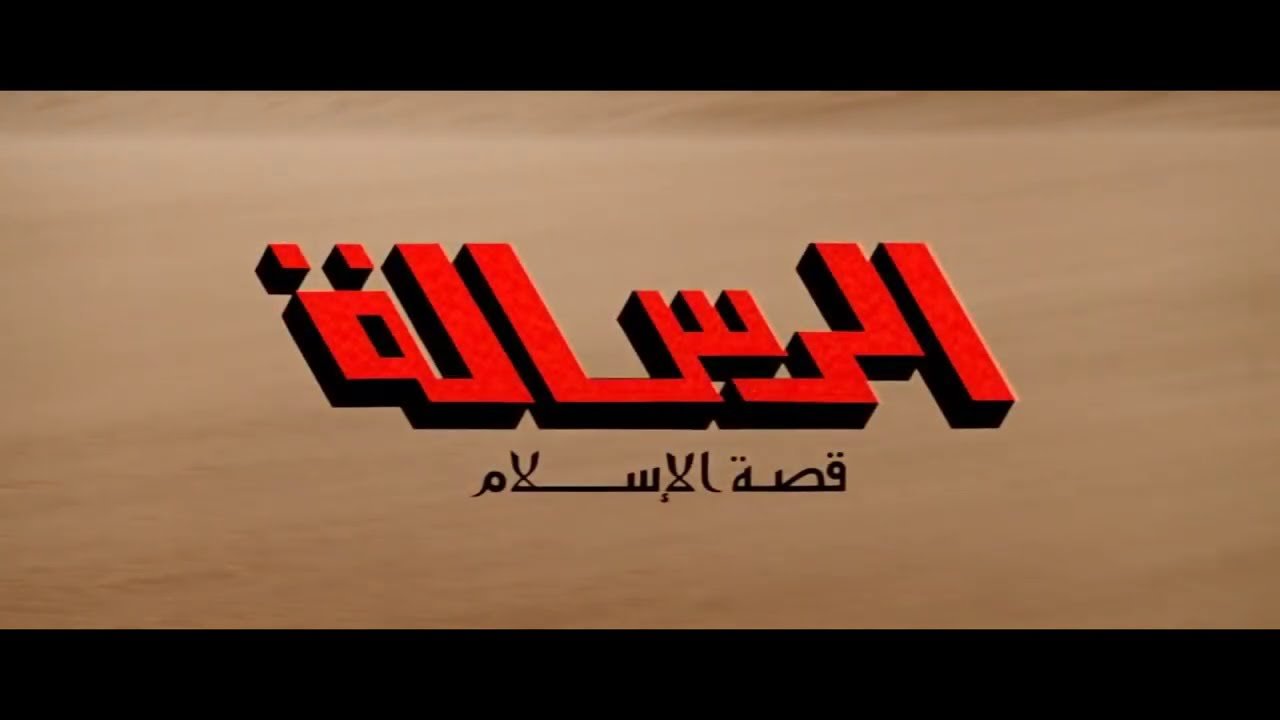
    King of Morocco Hassan II and the secrets of “The Message” movie! – Al-Shorouk Online


    The words of our professor, Si Mahmoud Knight Marzouk, may God have mercy on him, still ring in my ears, as he said it one day while I was studying history and geography with him in the second year of intermediate education at Ibn Khaldoun College in Souk Ahras. He told us: “If trousers were worn freely, many males would not wear them.”

    A simple phrase in its words, profound in its meaning, that summarizes for us the essence of what some nations and peoples are experiencing today: What is given by someone else does not belong to you, and what is worn with the consent of others is quickly removed when others change their mind. This was the case with the Kingdom of Morocco: many of the sultans and then the kings who sat on the thrones of government in Morocco thought that they were “wearing” sovereignty and decision-making, while in reality they did not have a license for it on their own – rather, their license was sealed with the seals of distant capitals, useful as long as relations were good, and withdrawn when the winds changed.

    READ ALSO

    The Spaniards overcome Morocco’s obstacle in their rapprochement with Algeria – Al-Shorouk Online

    Instant financing for commercial debts and 7 conditions for benefiting! – Al-Shorouk Online

    The story of the film “The Message” is not just the story of a cinematic work that faced obstacles and then saw the light; Rather, it is an honest mirror that completely reflects this story: a king who willingly agreed, then he was ordered and obeyed, and he expelled from his land those who were building cultural glory on it. They were only guilty because those “licensed” to speak in another country told them: Go away.

    It is the story of someone who does not have the license to maintain his position, when the matter comes to him who has the real decision.

    I will tell you how the story began with complete approval, and then ended with a request to stop and leave within a period not exceeding two weeks – not because the project changed, nor because
    Because violations appeared, but rather because a decision from outside the Kingdom of Morocco imposed itself on the decision of King Hassan II.

    At the heart of these events is the stark paradox: what no one accepts on his land is imposed on others without shame. Then comes the turn of those who have the courage and ability to embrace what was rejected, and the message is transmitted from a governed country to a decision-making country.

    1- Approval and the beginning: Morocco embraces the dream

    In the early 1970s, the “The Message” project was not just a film; Rather, it was an Arab and Islamic ambition to narrate the rise of the Islamic call in a contemporary language, with respect befitting its status, far from the Orientalist views that had always treated it with distance or distortion. When the great director Mustafa Akkad presented his project to King Hassan II, he found a warm response and full welcome. This welcome was not spontaneous; King Hassan II saw in this work a rare opportunity: for the Kingdom of Morocco to become a regional and global platform for the story of Islam, and for it to be known as an incubator of Islamic culture and heritage, and why not, since he is the Commander of the Faithful and the guardian of the Messenger of God, may God bless him and grant him peace.

    Official approval was issued, and all facilities were available: locations were allocated, a replica of the Holy City of Mecca was built in the “Ait Bouchant” area near Marrakesh, manpower and logistical facilities were available, and filming actually began in April 1974. Work continued for a full five months, during which nothing stopped, and the Moroccan authorities did not express any reservations. On the contrary, the commitment was complete, and the support was clear, as if the project was part of the cultural identity of the Kingdom of Morocco.

    In those months, there was nothing to suggest that this embrace would suddenly turn into sudden and massive anger with the expulsion. There were no flaws in the scenario—it was reviewed and approved by religious bodies—no irregularities occurred in its implementation, and King Hassan II’s vision for the project did not change. Everything was going as planned, until a demand came from abroad that turned the budget upside down.

    2- The decisive moment: when he is asked to stop and leave

    In August of the same year, after the crew had settled and part of the filming had been completed, King Hassan II summoned director Mustafa Akkad and informed him of a sudden decision: to stop work immediately, and for all team members to leave for Morocco within just two weeks. This decision did not stem from free national will; Rather, it came in response to direct pressure exerted on him by an allied Arab country.

    The leader of the state linked his attendance to the Islamic summit scheduled in Rabat to a specific situation: either he will stop the film, or he will be absent from attendance. This was not just a personal stance; Rather, it was a threat to withdraw the political and financial support that the Kingdom of Morocco desperately needed at that critical stage, as the Western Sahara issue was entering the stage of preparation and anticipation, and Morocco was counting on Arab support to consolidate its position.
    Thus, King Hassan II was faced with an unenviable choice: either maintain the alliance and external support, or maintain a cultural project
    It may cost him dearly in an issue he considers existential. He chose to compromise, even if the price was high and would harm the reputation of the king and the kingdom.

    The reason was not clearly announced at the time, and was limited to a request to leave, but the truth was clear to observers: the sovereignty decision had been subject to external will. King Hassan II of Morocco was not as free in his decision as he was months ago. Rather, his reaction became dependent on what was dictated to him by other capitals.

    3- The blatant irony: If the matter had been asked the other way around

    Let us stand here before a hypothetical question that carries within it a revelation of the balance of power: What if the days had passed and King Hassan II had asked the head of state to stop filming the film – if it had been scheduled in his country – would he have agreed?

    The answer, with all the weights and facts, is no, and in the strongest form of rejection. The leader of the state would not have accepted interference in the affairs of his country, and would have responded immediately and firmly: “This is our land, and we are the ones who decide what is done on it and what is not.” To use the arguments of sovereignty and national decision that are usually raised when the situation arises
    Strong. No one would have been allowed to determine what would be photographed in his country, nor would he have linked a visit or attendance to stopping a cultural activity.

    Here the double standards that govern relations between states are revealed: what is considered a “duty right” when dictated by force, becomes “unacceptable interference.”
    When force is required. Objection to the film The Message itself was not the issue; Rather, it was the ability to impose an opinion. Whoever has influence imposes his conditions in the name of religion, sovereignty, or interest, and whoever needs support obeys at all costs.

    This paradox does not lie in the difference in religious position – opinions on jurisprudence differ – but in the fact that banning the film The Message from the lands of others was considered a “legitimate demand,” while banning it from their lands would have been considered an “infringement on sovereignty.” Thus, it becomes clear that standards are not measured by the subject of the right, but by those who have the reins of the decision.

    4- Rescued from surprise: Libya embraces what was rejected

    At that moment when the project was about to collapse, there was no one to extend a helping hand except leader Muammar Gaddafi. When he learned what had happened, he offered to host the film in Libya and bear all the costs involved in transportation, reconstruction, and filming. This position was not merely a desire to support Islamic action; Rather, in essence, it was a political position that reflected a desire to break the monopoly on cultural and religious decision-making practiced by other Arab countries at the time. Gaddafi agreed immediately, and possibilities were available without restrictions: elements that could be moved were transferred, sites in the Libyan desert were rebuilt, and work resumed in October 1974 and continued until May 1975.

    Libya incurred significant additional costs, exceeding millions of dollars, which were not reduced or recovered, and the goal was clear: for the work to be accomplished, and for the world to be told that what was rejected by a royal authority in Morocco was embraced by a young republic that had eliminated the monarchy only about five years ago.

    Thus, the project moved from a kingdom that submitted to pressure to a republic that wanted to demonstrate its independence. The Libyan position was not devoid of influence and regional competition, but in return it provided protection and continuity for a project that was almost destroyed in its infancy, which no one else did at that critical moment.

    5- The decision is subject to foreign affairs

    The story of “The Message” remains blatant evidence of a reality that the Kingdom of Morocco and other countries have long suffered from: that a national decision does not remain national when the nation depends for its security and stability on foreign support.

    Events have shown that freely given consent can be withdrawn by outside pressure, and that cultural projects – which should be the bastion of intellectual independence – are the first to be sacrificed when interests intersect.

    What happened is not attributable to just one person; Rather, it is a recurring pattern in the history of the Moroccan Makhzen: when the decision depends on what is said in other capitals, those in power have no choice but to agree, postpone, or withdraw. The Moroccan warehouse in this story was not a decision maker; Rather, it was a scene where a decision was taken outside of it, a work crew was established and then removed, and a project was embraced and then abandoned under pressure from outside.

    But all this reveals that true independence is not spoken in speeches; It is that you have the right to refuse when you receive a request from abroad, and to complete what you started without anyone changing your decision. This is what was not available in the movie “The Message” in the Kingdom of Morocco, and it is what remains the basic requirement of King Mohammed VI if he truly has control over his decision.

    The film “The Message” was made in English and Arabic, and was shown to the world, and is still being shown today, tomorrow, and the day after, and it has remained in the memories of the Islamic and international peoples, longer than those who prevented it and those who stopped it.

    But the indelible lesson is that a cultural message is not written only by what it presents to people; But it is also written who has the right to decide it and who
    Others lead it.
    Thus, the question remains open: When will creativity and decision-making be written in the kingdom of fourteen centuries by the hands of his king and not by orders coming from afar?

    Source link

    Related Posts

    The Spaniards overcome Morocco’s obstacle in their rapprochement with Algeria – Al-Shorouk Online
    Algeria

    The Spaniards overcome Morocco’s obstacle in their rapprochement with Algeria – Al-Shorouk Online

    September 22, 2026
    Instant financing for commercial debts and 7 conditions for benefiting! – Al-Shorouk Online
    Algeria

    Instant financing for commercial debts and 7 conditions for benefiting! – Al-Shorouk Online

    September 22, 2026
    Watch…the moment a candidate for the position of regional governor in Peru was killed – Al-Shorouk Online
    Algeria

    Watch…the moment a candidate for the position of regional governor in Peru was killed – Al-Shorouk Online

    September 21, 2026
    Warning: Heavy thunderstorms across 9 states starting at midday – Al-Shorouk Online
    Algeria

    Warning: Heavy thunderstorms reaching 40 mm across 14 states – Al-Shorouk Online

    September 21, 2026
    Algeria is among 6 suppliers that compensated for the shortage of Qatari liquefied gas in Europe – Al-Shorouk Online
    Algeria

    Algeria is among 6 suppliers that compensated for the shortage of Qatari liquefied gas in Europe – Al-Shorouk Online

    September 21, 2026
    Bulgaria recalls its ambassador to the UAE – Al-Shorouk Online
    Algeria

    Bulgaria recalls its ambassador to the UAE – Al-Shorouk Online

    September 21, 2026
    Next Post
    The Indian military attaché visits Monte Pulito: possible historical project with San Marino

    The Indian military attaché visits Monte Pulito: possible historical project with San Marino

    POPULAR NEWS

    2026 Regional and International Conventions of Jehovah’s Witnesses

    2026 Regional and International Conventions of Jehovah’s Witnesses

    July 7, 2026
    Thaksin, Yingluck and Paetongtarn meet Indonesian President Prabowo for investment talks

    Thaksin, Yingluck and Paetongtarn meet Indonesian President Prabowo for investment talks

    July 13, 2026
    No deliverance: when gig workers fall prey to road accidents

    No deliverance: when gig workers fall prey to road accidents

    July 25, 2026
    This is how Nicolás Maduro and Cilia Flores reappeared in their hearing

    This is how Nicolás Maduro and Cilia Flores reappeared in their hearing

    July 24, 2026
    India’s imports from China soar to $80 billion in first half of 2026, exports up 37%

    India’s imports from China soar to $80 billion in first half of 2026, exports up 37%

    July 16, 2026

    EDITOR'S PICK

    Canadian bank CEOs can’t stop bragging about AI. Will they kill jobs?

    Canadian bank CEOs can’t stop bragging about AI. Will they kill jobs?

    September 10, 2026
    Investigation underway after Auckland house fire causes building to collapse

    Investigation underway after Auckland house fire causes building to collapse

    August 21, 2026
    Salsa on St. Clair organizers call for accountability in shooting, threaten to pull plug on event

    Salsa on St. Clair organizers call for accountability in shooting, threaten to pull plug on event

    July 14, 2026
    The body of a minor is found in a sewer in Ciudad Bolívar, Bogotá: authorities investigate the case

    The body of a minor is found in a sewer in Ciudad Bolívar, Bogotá: authorities investigate the case

    September 16, 2026

    Recent Posts

    • The Indian military attaché visits Monte Pulito: possible historical project with San Marino
    • King of Morocco Hassan II and the secrets of “The Message” movie! – Al-Shorouk Online
    • US import prices jump in August amid signs of rising inflation
    • Municipality clarifies role in al Ghubra Bridge project

      © 2026 Agentially - Navigating shifting sovereignties and global risk .

      Welcome Back!

      Login to your account below

      Forgotten Password?

      Retrieve your password

      Please enter your username or email address to reset your password.

      Log In
      No Result
      View All Result
      • HOME
      • AMERICAS
        • Argentina
        • Brazil
        • Canada
        • Chile
        • Colombia
        • Costa Rica
        • Cuba
        • Dominican Republic
        • Ecuador
        • El Salvador
        • Greenland
        • Guatemala
        • Honduras
        • Mexico
        • Nicaragua
        • Panama
        • Paraguay
        • Peru
        • United States
        • Uruguay
        • Venezuela
      • ASIA-PACIFIC
        • Australia
        • Brunei Darussalam
        • Cambodia
        • China
        • Federated States of Micronesia
        • Fiji
        • Indonesia
        • Japan
        • Kiribati
        • Laos
        • Malaysia
        • Marshall Islands
        • Mongolia
        • Myanmar
        • Nauru
        • New Zealand
        • North Korea
        • Palau
        • Papua New Guinea
        • Philippines
        • Samoa
        • Singapore
        • Solomon Islands
        • South Korea
        • Taiwan
        • Thailand
        • Timor-Leste
        • Tonga
        • Tuvalu
        • Vanuatu
        • Vietnam
      • CARICOM
        • CARICOM – Non-English
          • Haiti
          • Suriname
        • CARICOM Associates
          • Anguilla
          • Bermuda
          • British-Virgin-Islands
          • Cayman-Islands
          • Curacao
          • Turks-and-Caicos
        • CARICOM English
          • Antigua and Barbuda
          • Barbados
          • Belize
          • Dominica
          • Grenada
          • Guyana
          • Jamaica
          • Montserrat
          • Saint Kitts and Nevis
          • Saint Lucia
          • Saint Vincent and the Grenadines
          • The Bahamas
          • Trinidad and Tobago
      • EURASIA
        • Armenia
        • Azerbaijan
        • Balarus
        • Georgia
        • Kazakhstan
        • Kyrgyzstan
        • Moldova
        • Russia
        • Tajikistan
        • Turkmenistan
        • Ukraine
        • Uzbekistan
      • EUROPE
        • Albania
        • Andorra
        • Austria
        • Bosnia and Herzegovina
        • Bulgaria
        • Croatia
        • Cyprus
        • Czech Republic
        • Denmark
        • Estonia
        • Finland
        • France
        • Germany
        • Greece
        • Holy See
        • Hungary
        • Iceland
        • Ireland
        • Italy
        • Kosovo
        • Latvia
        • Liechtenstein
        • Lithuania
        • Luxembourg
        • Malta
        • Monaco
        • Montenegro
        • Netherlands
        • North Macedonia
        • Norway
        • Poland
        • Portugal
        • Romania
        • San Marino
        • Serbia
        • Slovakia
        • Slovenia
        • Spain
        • Sweden
        • Switzerland
        • United Kingdom
      • MIDDLE EAST AND NORTH AFRICA
        • Algeria
        • Bahrain
        • Egypt
        • Iran
        • Iraq
        • Israel
        • Jordan
        • Kuwait
        • Lebanon
        • Lybia
        • Morocco
        • Oman
        • Palestinian Territories
        • Qatar
        • Saudi Arabia
        • Syria
        • Tunisia
        • Turkey
        • United Arab Emirates
        • Western Sahara
        • Yemen
      • SOUTH ASIA
        • Afghanistan
        • Bangladesh
        • Bhutan
        • India
        • Maldives
        • Nepal
        • Pakistan
        • Sri Lanka
      • SUB-SAHARAN AFRICA
        • Angola
        • Benin
        • Botswana
        • Burkina Faso
        • Burundi
        • Cabo Verde
        • Cameroon
        • Central African Republic
        • Chad
        • Comoros
        • Cote d’Ivoire
        • Democratic Republic of the Congo
        • Djibouti
        • Equatorial Guinea
        • Eritrea
        • Eswatini
        • Ethiopia
        • Gabon
        • Gambia
        • Ghana
        • Guinea
        • Guinea Bissau
        • Kenya
        • Lesotho
        • Liberia
        • Madagascar
        • Malawi
        • Mali
        • Mauritania
        • Mauritius
        • Mozambique
        • Namibia
        • Niger
        • Nigeria
        • Republic of the Congo
        • Rwanda
        • Sao Tome and Principe
        • Senegal
        • Seychelles
        • Sierra Leone
        • Somalia
        • South Africa
        • South Sudan
        • Sudan
        • Tanzania
        • Togo
        • Uganda
        • Zambia
        • Zimbabwe

      © 2026 Agentially - Navigating shifting sovereignties and global risk .

      This website uses cookies. By continuing to use this website you are giving consent to cookies being used. Visit our Privacy and Cookie Policy.