It concerns financial, legal and external in particular:
father-in-law
The parliamentary committees of the National People’s Assembly began setting their initial work program with the beginning of the tenth legislative term, awaiting the referral of draft laws and files that will be included on their agenda, in conjunction with the parliamentary blocs beginning to distribute their representatives to various committees, while pushing a number of those with expertise, experience, and parliamentary weight to the committees that require intensive follow-up of legislative and oversight files, such as the finance and budget committees and legal affairs and freedoms.
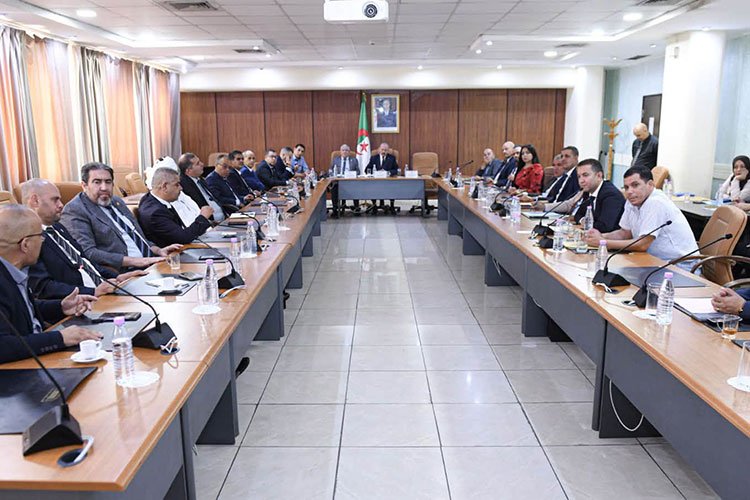
These proactive meetings come to set the initial work agenda for the committees and familiarize the new representatives with the nature of the work within them and the mechanisms for discussing the files and texts referred to them, especially for the committees that are awaiting a package of important draft laws and files, which are usually described as committees with legislative weight, given the nature of the texts that are referred to them and the size of the files that they are responsible for studying.
In this context, the Legal Affairs and Liberties Committee began its work by presenting the outcome of the committee’s activity during the previous legislative term before agreeing on a temporary agenda for the next stage, awaiting the referral of texts that fall within the scope of its jurisdiction, most notably the draft penal code, along with other texts that were announced within the initial program that the committee is expected to undertake to study.
The same applies to the Committee on Foreign Affairs, Cooperation, and the National Community Abroad, which began preparing its draft work program, which included a number of activities related to external parliamentary work, including participation in preparing the Council’s external activity program, installing parliamentary friendship groups, and coordinating with the Ministry of Foreign Affairs to receive some ambassadors, in addition to organizing informational and training meetings in coordination with the ministry’s interests for the benefit of representatives appointed to international structures.
The committee’s draft program also included exchanging working visits with the parliaments of friendly countries, organizing informational visits inside and outside the country, and holding national and international events, in addition to organizing a parliamentary day and programming hearing sessions for ministers and officials. The members of the committee also discussed the file of the Algerian community abroad, and ways to follow up on its concerns and work to present files related to its situation, which allows opening the way for listening to the various concerns of Algerians residing abroad.
In turn, the Finance and Budget Committee has begun preparing its work program in anticipation of the next stage, in conjunction with the anticipation of the draft Finance Law being referred to it on October 7th, as the Committee is preparing to enter an intensive phase of work as soon as the text is referred to it, in addition to programming a number of activities and files that fall within its jurisdiction, in accordance with the deadlines and parliamentary procedures in force.
In addition to early preparation to receive legal texts and prepare initial work programs, there is the programming of a number of activities that allow committees to follow up on files on the ground and open them for discussion, such as organizing informational outings and programming parliamentary days and meetings on files that fall within the jurisdiction of each committee, which expands the nature of the activity from studying texts to following up on a number of issues and files related to its work.
In this context, Al-Shorouk noted that a number of parliamentary blocs, despite the completion of the installation of the Council’s structures during the past month of July, proceeded to appoint representatives with expertise and experience to the committees with legislative weight, given the importance of the files before them and the nature of the texts that will be in charge of studying them, especially the Finance and Budget Committees and the Legal Affairs and Liberties Committees.
This distribution within the committees reveals a trend among the parliamentary blocs towards benefiting from the experience of some representatives in files that require careful follow-up of texts and discussion of their details, while assigning membership in committees with legislative weight to representatives who have experience in the fields related to their jurisdiction.