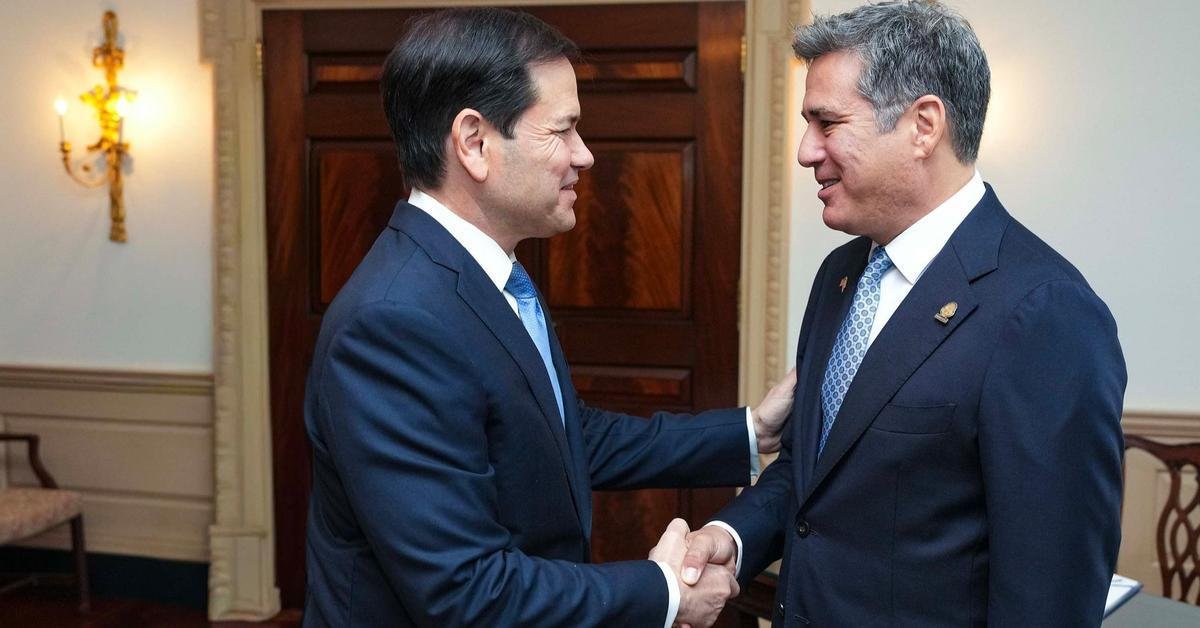
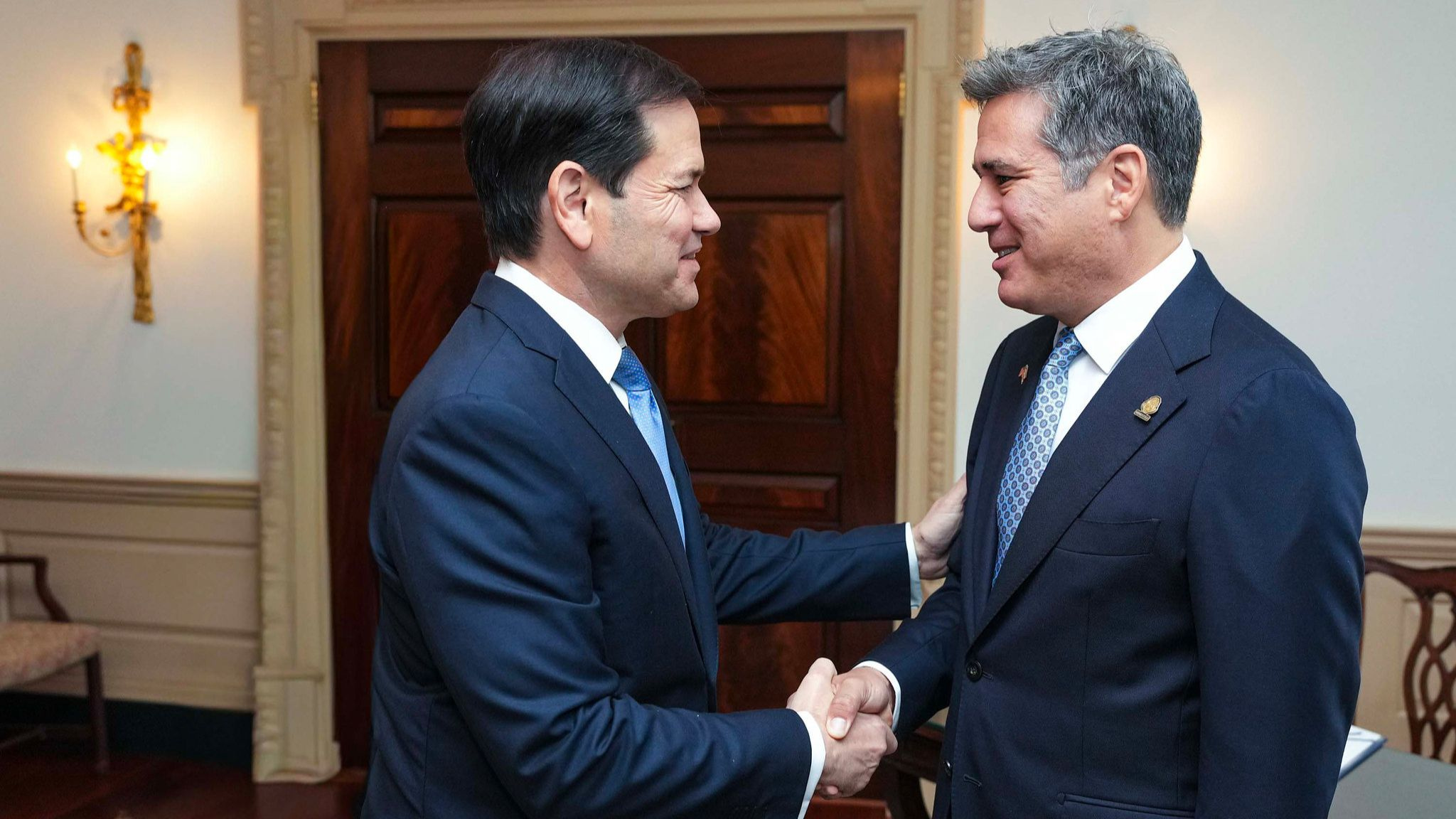
Madrid/The Cuban Government described as “surprising” the statement by the Costa Rican Foreign Minister, Manuel Tovar Rivera, that both countries broke their diplomatic ties. Tovar, for his part, confirmed once again to the EFE agency that relations “have been broken” since March.
The Cuban Foreign Minister, Bruno Rodríguez, maintained that this decision was never formally communicated and recalled that, when Costa Rica announced in March the closure of its Embassy in Havana and requested the departure of Cuban diplomatic personnel from San José, the then Costa Rican Foreign Minister, Arnoldo André Tinoco, assured that these measures did not imply a break in relations.
In it same statementRodríguez accused the Government of Laura Fernández of acting in line with Washington’s policy towards Cuba and maintained that Tovar’s decision to report first about the rupture to a middle of Florida constitutes “another act of subordination of the Costa Rican Government to the policy of the United States against Cuba.”
This Friday, in statements to Martí NewsTovar ruled out that the decision to break diplomatic ties with Cuba responded to pressure from Washington and assured that it was adopted in a sovereign manner: “We did not receive any advice, any guidance, any instructions, any suggestions from any government, neither from the United States, nor from any other,” he said. Regarding the reactions of the Havana Foreign Ministry, Tovar stated: “What the Cuban regime says has absolutely zero credibility.”
Tovar Rivera said that San José will resume relations with Havana only when “Cuba is free”
When asked about the reasons for the breakup, the Costa Rican Foreign Minister maintained that his country has returned to a policy of non-recognition of the Cuban Government, which dates back decades, and described as “a mistake” the decision of the Government of Óscar Arias to reestablish diplomatic ties in 2009. Tovar said that San José will resume relations with Havana only when “Cuba is free.”
In the interview, the diplomat also recalled that Costa Rica is a welcoming country for Cubans who leave the Island and stated that around 7,000 have requested refuge in recent years. “We have traditionally been that country of refuge that embraces those who do not have the option to speak, those who have been silenced both by weapons and by other means,” he said.
In June, the Costa Rican Government announced an immigration category special to regularize thousands of refugee applicants from Cuba, Nicaragua, Venezuela and Colombia who had been in legal limbo for years. The measure contemplates a regular status and work permit for those who meet the established requirements. The chancellor also assured that Cubans established in Costa Rica contribute to the economy, society and culture of the country.
The chancellor also mentioned that Costa Rica will not allow organizations linked to Cuban intelligence to try to influence or “subvert” the Costa Rican internal order or the decisions made by the Government of Laura Fernández.
Tovar Rivera received the Pedro Luis Boitel Freedom Prize 2026, awarded by the Assembly of the Cuban Resistance
During the same day in Miami, Tovar Rivera received the Pedro Luis Boitel 2026 Freedom Prize, awarded by the Assembly of the Cuban Resistance during a ceremony held at the Freedom Tower. At the event, the chancellor assured that Costa Rica will continue to support the Cuban people and not its tyrannical government, and described the situation on the island as a tragedy that has divided families and caused repression, fear, scarcity and exile for generations.
In another interview with Las Americas NewspaperTovar announced that Costa Rica will review its position in the United Nations regarding the US embargo against Cuba. The official said that the current perception of the Costa Rican Government is that the embargo “has been imposed by the regime itself on its people.”
Costa Rica abstained in October 2025 in voting on the UN General Assembly resolution calling for the end of the embargo, after decades of support. In July of this year, it also voted along with eight other countries against holding a new debate on the matter.
The current perception of the Costa Rican Government is that the embargo “has been imposed by the regime itself on its people”
The disagreement over the breakup dates back to March 17when the Costa Rican Government informed Havana, through a diplomatic note, of its decision to close its Embassy in Cuba and asked to withdraw Cuban diplomatic personnel from San José, although it allowed consular and administrative officials to remain.
Tovar reaffirmed in Miami that both legations closed and that diplomatic personnel were withdrawn, although Costa Rican consular affairs are currently handled through the Embassy of Panama. “There is no step back, there is no going back,” said the chancellor.