SPONSORED CONTENT
The self-government and the fishing industry as a whole are in full swing of jointly developing new and future-proof training courses within fishing. The first training that is expected to be offered is a dinghy fishing training, followed by a basic commercial fishing training.
“It is a paradox that there are almost no training courses within our most important and essential profession: fishing”.
So says Trine Egede, head of department in the Department for Education, Culture, Sports and Church.
Together with the Department of Fisheries, Catching, Agriculture and Self-Sufficiency, the fishing industry, interest organizations and educational institutions, the Department of Education is therefore in full swing to develop
a number of new vocational training offers targeted at fishing.
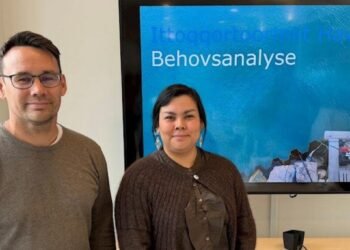
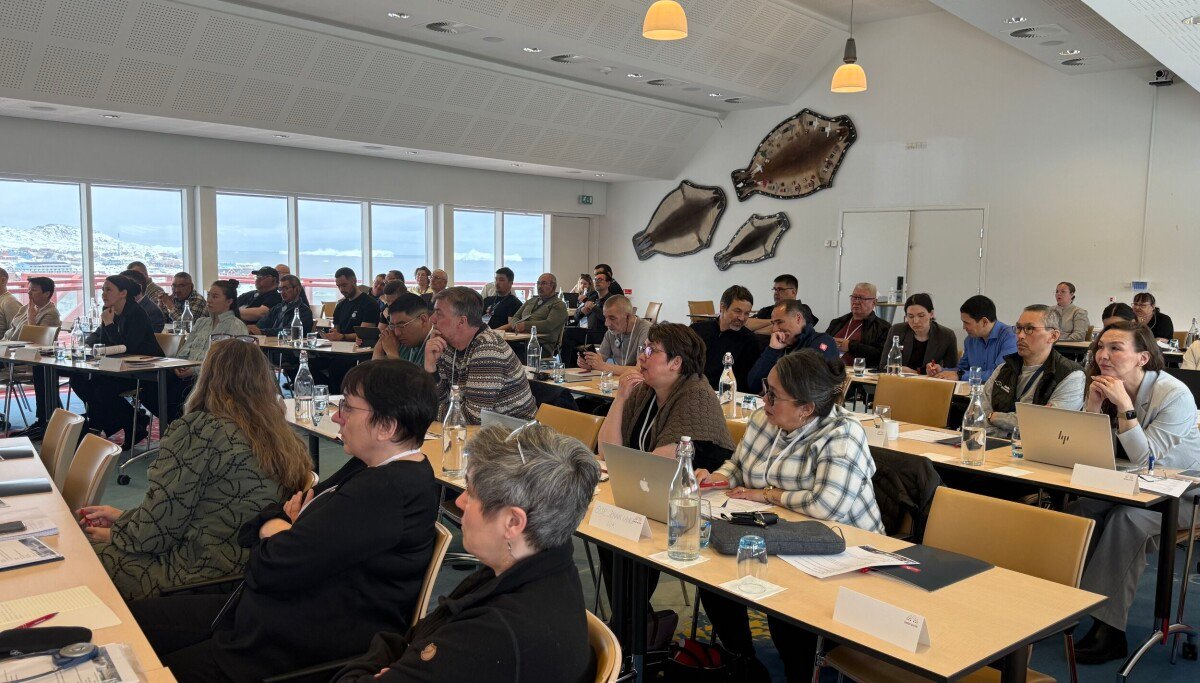
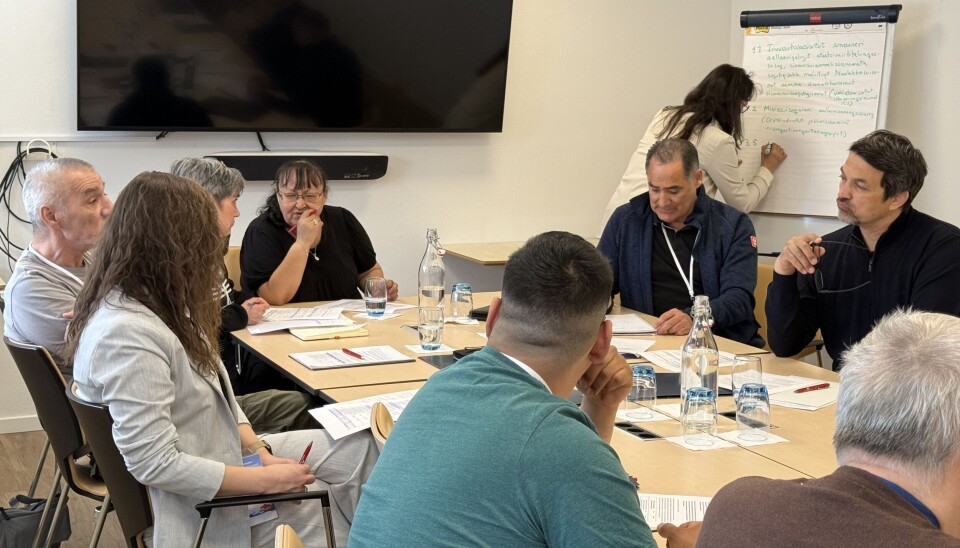
– In April, we gathered participants from industry organisations, educational institutions, the profession, authorities, fishermen and trappers for a large workshop in Ilulissat, which is one of the places in the country with the most active fishermen and is therefore a natural center for developing the skills of the future. For two days we talked about needs, skills and innovation, because we may have opinions on one thing or another in the department, but it is the business world that has its finger on the pulse, and it is their needs that the education programs must cover, so it is extremely important that the profession is involved, says Trine Egede.
After the workshop, a working group was set up with participants from both the profession, the schools and the education area, who are now working through the material from the workshop, preparing the first draft, and then another workshop will be held in October in Nuuk.
Dinghy fishing training
The work must result in the first education; the dinghy fishing training, which will be a short vocational training that is planned to last six months, and where the profession wants training in maritime safety, fire fighting and much more.
– The countries that Greenland exports fish and shellfish to, such as China and Japan, have strict requirements for food handling. It is important that everyone in the fishery is prepared for it and knows what it takes to meet the requirements. A dinghy fishing course can help ensure that everyone has the basic knowledge that export customers require. That is why, among other things, hygiene and food handling will be some of the subjects that will be part of the education, says Trine Egede, adding that subjects such as motor skills, maritime safety and VHF radio communication are also on the programme.
– From the industry, there is a great desire that the instructors are experienced people from the profession, and that the teaching takes place outside the high season. We also expect the education to be offered on both the west and east coast, just as we are working on the option of taking certain subjects and courses online, says Trine Egede, who estimates that the education will be very well received.
– In the spring of 2026, 12-pax courses have been completed in various places in Greenland, and there has been huge demand. The same was the case when Inuili offered hygiene courses in Avannaata, where 66 trained, so we are very hopeful about the future fisheries training, says Trine Egede.
Smooth transition between educations
In addition, at the request of the profession, the Department focuses on ensuring a smooth transition from one education to the next, so that a dinghy fishing education can easily build a bridge to, for example, the fishing skipper education offered by Imarsiornermik Ilinniarfik or the Inuilis fishtech industry operator education or one of the upcoming new educations.
– It is incredibly important that we create a coherent education system within maritime and fishing, so that you can build on top of it and supplement if you want to do something else within our most important profession at some point; fishing, says Trine Egede.
Advertiser paid content brought in collaboration with the Department of Education.
This article is from the education newspaper, which can be read for free via the link here