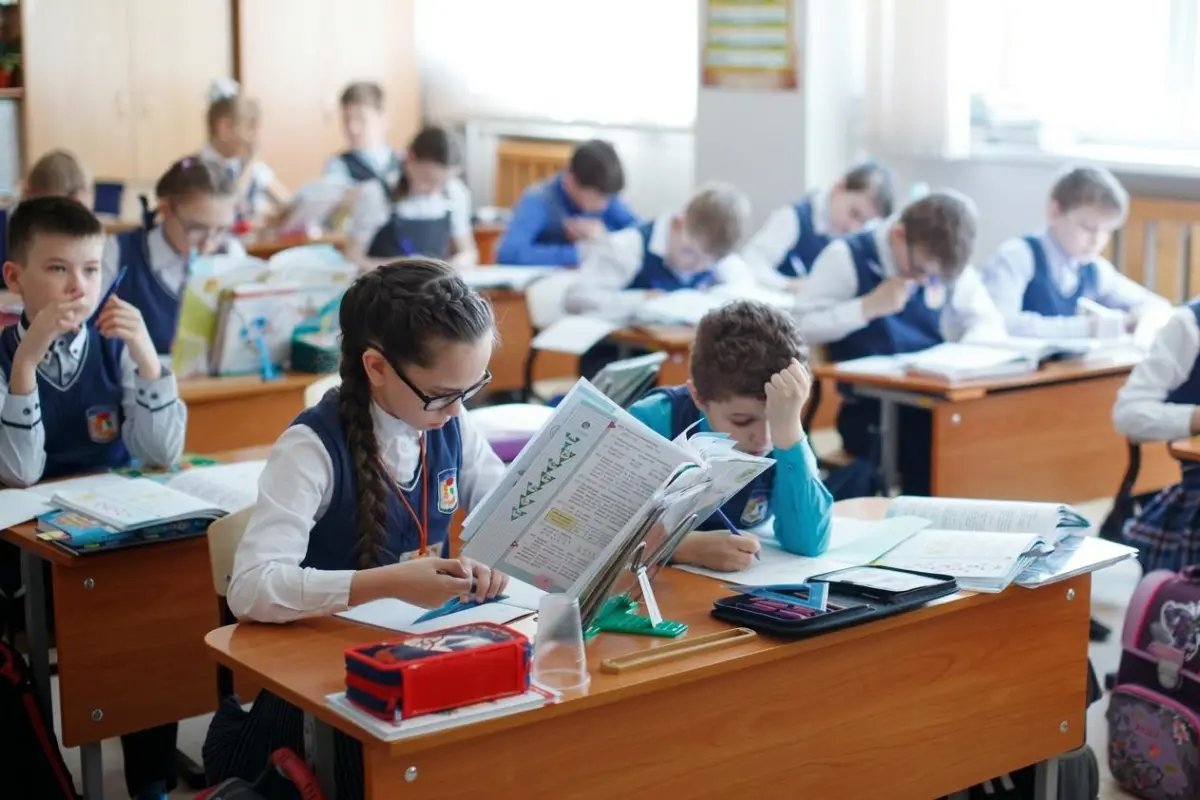
After months of waking up early, keeping schedules, attending classes, turning in assignments, and responding to the demands of the school calendar, there comes a time when kids just need to stop. The school holidays They open that space: days without uniforms or classrooms, but also an opportunity to recover energy, play, share and reconnect with activities that tend to take a backseat during the academic period.
In Panama, the school holidays of the students began last September 7 until next Monday, September 14, according to the school calendar. During these days, children and adolescents have a break from their academic activities before resuming their classes and school responsibilities.
For psychologist Leidy Martínez, this rest has an important function in the well-being of children and adolescents. “From my perspective as a psychologist, the school holidays are important for the mental health because they allow children and adolescents to temporarily disconnect from academic demands and have a space to rest, play, share and recover emotional and physical energy.”
However, resting does not mean that all structure must disappear during the holidays. The specialist considers it necessary to find a middle ground between routines and free time.
“It does not mean eliminating all structure, but finding a balance between routines and free time. Rest, play and activities that generate well-being promote emotional regulationreduce the school stress and they can help them return to the school environment with a greater willingness to learn,” he explained.

During these days, children and adolescents have a break from their academic activities before resuming their classes and school responsibilities.
Resting also prepares you to return to school
The end of a school term can leave students physically, cognitively and emotionally tired. Therefore, the rest time It fulfills a function that goes beyond entertainment.
“After a school period, students need some time off to recover from the physical, cognitive and emotional demands of everyday life,” said Martínez. Adequate rest, accompanied by enough sleepless stress and pleasurable activities, can help regain attention and promote emotional regulation. “This allows them to have greater concentration, motivation and willingness to learn when they return to class,” he added.
The psychologist insists that rest should not be interpreted as a waste of time or as an activity opposed to academic performance. “Therefore, rest should not be understood as a waste of time or as something contrary to academic performance. Resting is also part of learning processbecause an emotionally and cognitively recovered student is in better conditions to face school demands.”
Tasks or disconnection?
One of the doubts that may arise among parents during the holidays is whether they should keep their children doing academic activities to prevent them from losing their rhythm. Martínez believes that, especially after intense school periods, it is important to allow a true school disconnection. “Vacation should allow them to rest, play, explore interests and share with their family and friends,” he said.
That doesn’t mean that children have to stop learning. The difference is that this learning can arise spontaneously, without the pressure of a grade. “They can be incorporated educational activities for children naturally and without pressure, like read for pleasurecooking, visiting a museum, doing experiments or playing games that stimulate thinking,” he explained.
The specialist recommends avoiding vacations from becoming a continuation of the school calendar. “The key is not to turn vacations into an extension of school. If they remain academic activitiesshould be brief, flexible and age-appropriate, prioritizing enjoyment and curiosity over grades or performance,” he added.
When fatigue goes beyond
Vacations can also be a time for parents to see how their children are doing after a period of demands.
Constant tiredness, irritability, difficulty concentrating, lack of motivation, changes in sleep, increased emotional sensitivity, or loss of interest in activities you normally enjoy may be some signs of school burnout.
“There may also be a decrease in the academic performancedifficulty starting or finishing tasks, frequent frustration or a feeling of being ‘saturated’ with activities that I could previously handle,” Martínez explained.
However, the psychologist warns that not all of these behaviors should automatically be attributed to school fatigue. “It is important to observe that these signs are persistent and represent a change with respect to your usual behavior. Rest may be necessary, but if the symptoms persist even after rest or significantly affect your functioning, it is advisable to perform a psychological evaluation to identify what is happening and not assume that it is just fatigue.”
The right to have free time
For parents, planning vacations also means resisting the temptation to fill each day with activities. He children’s free timeeven the one in which apparently “nothing happens”, can be beneficial for children. “Children need to have time to rest, play and also to get bored; this free time favors creativitythe autonomy and the emotional regulation”said Martínez.
The recommendation is to maintain some basic routines, such as reasonable sleep, eating and physical activity schedules, but allow greater flexibility than during the school term.
It can also be positive to involve children in choosing some activities and taking into account their interests and age.
“Above all, I would avoid turning vacation into an extension of school. Not everything has to be productive or educational. The school holidays They also serve a function when they simply allow the child to enjoy, relax and connect with the people they love,” concluded the psychologist.