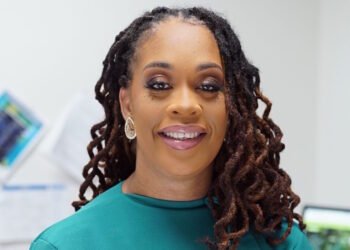

CARICOM Secretary-General Dr Carla Barnett is urging greater attention to the health and well-being of young people, saying their choices and actions today will help shape the future of the Caribbean.
Barnett made the call in her message for Caribbean Wellness Day 2026, being observed on September 12 under the theme “Our Mind. Our Body. Our Wellness. Empowering Caribbean Youth.”
She said wellness goes beyond simply being free from illness and involves continued attention to mental, physical and social well-being, along with a shared responsibility to create conditions that allow people to thrive.
The issue is particularly important as non-communicable diseases (NCDs) continue to place a heavy burden on the Region. Barnett noted that NCDs accounted for approximately 75 per cent of all deaths in the Caribbean in 2024.
Although NCDs are often viewed as conditions affecting adults, she said the risks can begin early in life and are increasingly being seen among young people.
Recent regional analysis cited by Barnett indicates that more than 50 per cent of young adults tend towards being overweight or having elevated blood pressure. It also found that 40 per cent consume excessive alcohol, while 60 per cent are physically inactive.
Barnett said the factors behind these trends are complex and extend beyond individual behaviour. Environmental, social, cultural and economic conditions can all influence the risk of developing NCDs among Caribbean youth.
She identified urbanisation, poverty, unemployment, declining access to healthy food choices and limited health-supporting infrastructure as some of the challenges that can make healthy living more difficult. Young people in vulnerable communities may also have less access to spaces, services and opportunities that encourage physical activity, healthy eating and mental well-being.
Young adults account for about one-quarter of the Caribbean population, and Barnett said they should not be overlooked in population health screening, prevention and research initiatives.
She stressed that empowering young people requires more than encouraging individual behaviour changes and instead calls for a whole-of-society approach.
CARICOM, in collaboration with the Caribbean Public Health Agency (CARPHA) and the Pan American Health Organization (PAHO), has been working to strengthen multisectoral approaches to the surveillance, prevention and control of NCDs.
Those efforts include promoting youth-friendly policies and services and involving young people as partners in shaping, implementing and evaluating health responses.
“The voice of CARICOM youth matters. The choices made and actions taken by young people today will impact the future of our Region. Young people must be encouraged to continue to speak up for healthy food choices and safe spaces for physical activity,” Barnett said.
She said empowered and engaged young people can contribute to building a healthier and stronger Caribbean.
Barnett ended her message by encouraging everyone to use Caribbean Wellness Day as an opportunity to make healthy lifestyle choices every day.