The Mexican Southern Copper is 47% complete in its project Tía María copper mine (Arequipa) and is preparing to produce its first copper cathode at the end of 2027; all this without using a single drop of fresh water from the Tambo Valley.
To do this, the company has decided to build and implement a desalination plant on the coast, 25 kilometers away.
“All the water that the Aunt Maria project It will come from the sea, from the Mejía district and will be transported to Cachendo,” said Oscar Rodríguez, director of plant engineering and development of new processes at the copper mining company, at Expomina 2026.
In this way, the company clarifies one of the main questions about the development of the project, related to the use of the valuable water resource in the area.

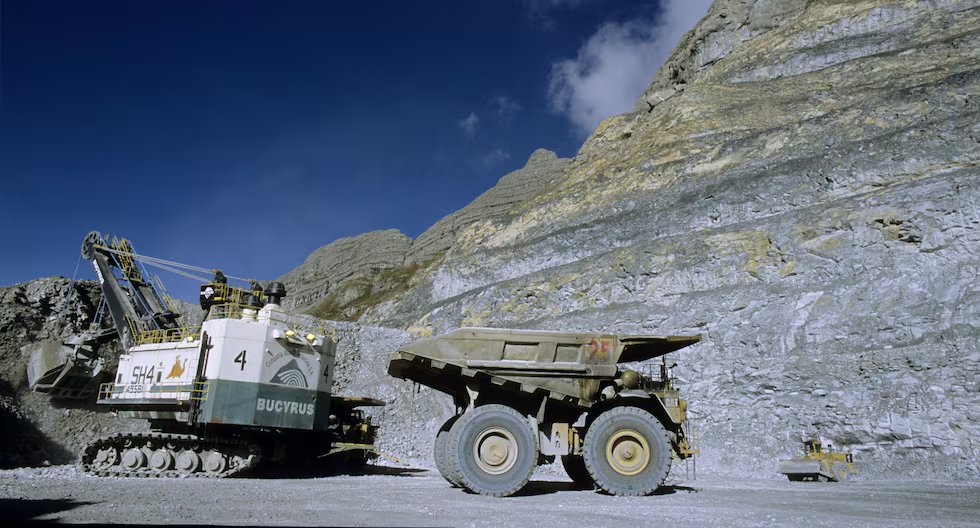
Exploration in Tía María.
/ HEINER APARICIO
Rodríguez also stated that Aunt Mary It will be a digital mine with “full 5G connectivity” and state-of-the-art equipment that will be operated and supervised by 230 interns from the Arequipa region.
To date, Southern has invested US$700 million in the project and “is about to invest US$1 billion in equipment that is yet to arrive,” the official said.
Tía María is the most anticipated project for mining in Peru. It will produce 120 thousand tons of copper per year with an investment of US$1.7 billion.
Its start-up is scheduled for 2027. That is, three years difference compared to the last major project initiated by the mining industry: the expansion of Antamina (Áncash), a US$2 billion initiative that began development in 2024.

The project will extend the useful life of the copper mine from 2028 to 2036, at a production rate of 400 thousand tons of copper per year, said Luis Santiváñez, CEO of the mining consortium.
This is a relevant investment, since it has prevented the mine from closing in 2027 or 2028, the official said. “Now we are working to develop more expansions of Antamina,” he said.
He stated that it is the purpose of the consortium carry out a new expansion, this time “until 2054” because “the mineral resource is there” and it only depends on working with the authorities.”
“The extension of Antamina’s useful life until 2036 represents a unique opportunity to consolidate its continued growth and the contribution of responsible mining to the development of Peru,” said the official.
Antamina contributes 41% of the GDP for Ancash and almost 2% to the national GDP. In 2025 it represented 8.5% of the exports of all of Peru.