
Although they often go unnoticed, cats They find in their movements and postures a way to express what they feel, even without having to make sounds. Their daily habits can reveal the degree of trust they have with their owners and offer clues about their emotional state. Therefore, observing their reactions becomes a fundamental task to understand their needs and detect possible changes in their behavior.
He veterinarian and expert Carlos Gutiérrez highlights the importance of paying attention to these signals to better interpret the language of felines. Among them, the way they approach people stands out, a gesture that can convey closeness and willingness to interact. When a cat takes the initiative to approach you, it could be showing a friendly attitude and feeling comfortable in the company of those around it.
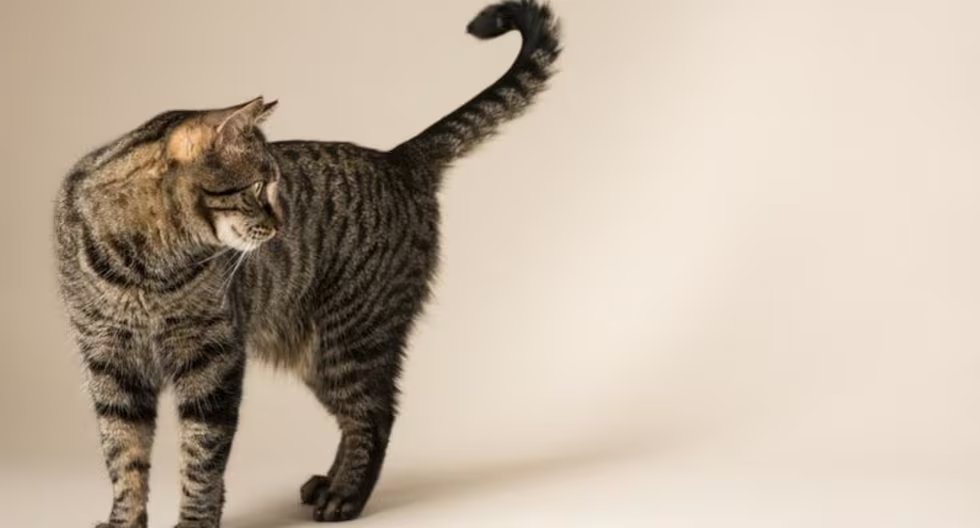
When a cat approaches with its tail up, its body language may reveal a friendly attitude and a willingness to make contact. This is explained by the specialist, who highlights that this gesture is usually interpreted as a sign of trust and tranquility. “When they approach with their tail raised, that is an unmistakable sign that they are coming in peace, that they are coming, for example, to greet you,” he points out when describing this particular form of feline communication.
But the position of the tail can also express other emotions, depending on its movements and the situation. If the tip curves and acquires a shape similar to a question mark, the feline could be expressing curiosity or interest in what is happening around it. Observing these small details allows you to better understand their reactions and discover what they are trying to communicate without having to make a single sound.
The way a cat explores its environment and interacts with those around it offers clues about its behavior and emotional state. If he remains interested in playing, exploring new spaces, and approaching strangers, he could be showing a normal level of activity. However, when you suddenly abandon these habits, it is a good idea to pay attention to the changes and observe if there are other signs that could affect your well-being.
Rest can also reveal the degree of security the feline feels in its home. When he chooses to lie down next to his owner or sleep in the same room, he could be showing that he is comfortable and calm in that space. These small gestures are part of their way of expressing trust and closeness, so recognizing them helps to better understand their needs and strengthen the bond with their caregivers.
For veterinarian Carlos Gutiérrez, when a cat decides to sleep near its owner can be a sign of the trust it has developed towards that person. During rest, felines are in a more vulnerable situation, so choosing human company to relax can reflect security and tranquility. However, this behavior does not manifest itself in the same way in all animals.
Some cats constantly seek physical contact, enjoy petting and follow their caregivers around the house, while others prefer to keep a certain distance and only approach at certain times. These differences are part of the personality of each feline and do not necessarily mean that there is a less close bond with its owner. Understanding their preferences allows you to respect their limits and recognize the different ways in which they express their affection.
Knowing a cat’s habits is essential to understanding its behavior and ensuring its well-being. If the feline usually seeks company, plays or explores every corner of the house, these actions are part of its usual routine. Therefore, when you stop showing interest in these activities for no apparent reason, it is worth paying attention to what could be happening.
Observing these variations allows you to identify signals that, in certain circumstances, could warn of a problem that requires attention. Sudden changes in behavior should not go unnoticed, especially if they persist or appear along with other symptoms. In these situations, consulting with a veterinarian can help determine the causes and establish whether the animal needs a professional evaluation.