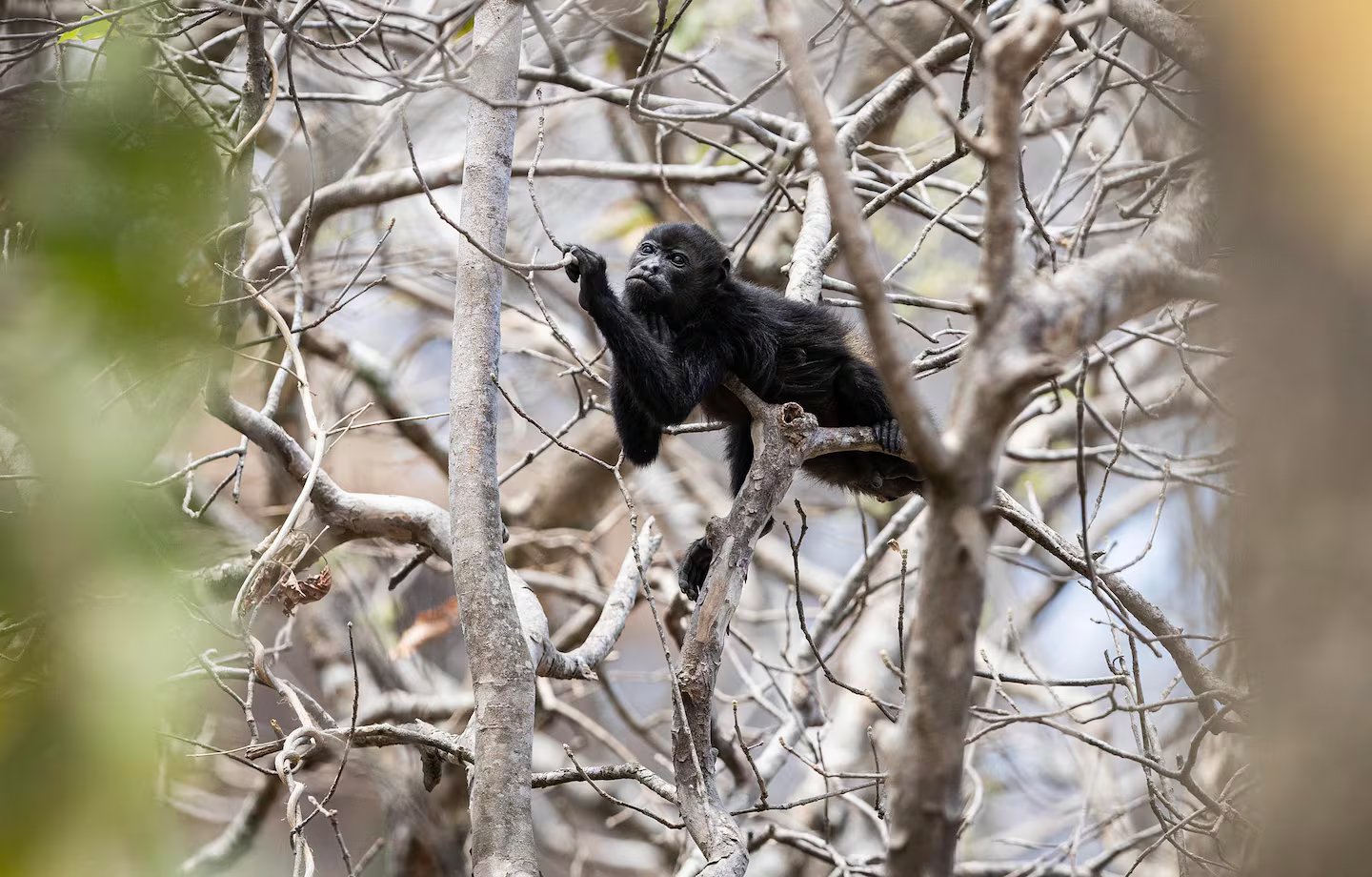
In the midst of the flames that spread through the forest, snakes and turtles try to take refuge. The same thing is attempted by a deformed worm that crawls around trying to avoid the footsteps of the firefightersalthough it is most likely that he will die from the heat.
This is one of the main consequences of the forest fireswhich in 2026 have burned more than 27,000 hectares in Costa Rica. The hottest spot is Guanacaste, where 137 of the 201 incidents have occurred.
daily, wild animals suffer superficial or deep burns on its skin, legs and plumage; they lose their nests and food; They hit each other when trying to escape; their behavior is altered by stress; and become poisoned by exposure to ash.
According to Yeimy Cedeño, head of the Department of Control, Prevention and Protection of the National System of Conservation Areas (Sinac), the most vulnerable species are reptiles and amphibians with low mobility, followed by mammals.
“There is a direct mortality of plants and animals due to heat, smoke and flames. This loss of biomass and the reduction of plant cover leads to erosion. All the alteration of the habitat causes the loss of shelters, food resources, nesting sites and there is a mortality or displacement of fauna,” he explains.
The baby deer that remains in quarantine at Apami Wildlife Rescue Center, a wildlife rescue center in Santa Cruz, Guanacaste, was a victim of this. He was trying to escape the smoke and got hurt in the process. If he had reached the road, he could have been run over.
“We do nothing here with rescuing and rehabilitating animals and then we release them and the danger will continue out there,” adds Crystal Badilla, manager of Apami.
While firefighters do their part to try to rescue these species, they also expose themselves to immediate and chronic effects: headaches, severe dizziness, heat waves, conjunctivitis and monoxide poisoning.
“People do not measure how much it can affect and they see it as something normal in their daily lives. They say: ‘There are the firefighters attending, there is a forest fire near my house. We have to clean the land, so let’s set it on fire’. All these things are going to affect them sooner or later,” warns Alonso Castro, one of the paramedics of the Fire Department.
For this reason, at the beginning and end of each day at the forest firefighter camp in Huacas, Santa Cruz, each firefighter receives a medical check-up in which their blood pressure, heart rate, carboxymoglobin and metamoglobin levels are checked.
As of April 22, the Fire Department has responded to 201 forest fires in four months; the highest number in history. It is estimated that 95% of accidents are caused.